

Finding balance at a health and wellness center boils down to understanding that it’s not a quick fix or a one-size-fits-all solution; it’s about proactively engaging with the resources available to create a personalized, sustainable path to well-being. Think of it as a toolbox, and you’re the carpenter. The center provides the tools, but you decide which ones to use and how to use them to build your healthier life. It’s about more than just physical health – it’s about nurturing your mind, body, and spirit in a way that feels right for you, integrating these elements so they work in harmony, rather than competing for your attention.
Wellness is a broad term, and at a dedicated center, it’s explored in depth. It’s not just about hitting the gym; it encompasses a holistic view of your health.
Beyond the Treadmill: Physical Wellness
Physical wellness is often the first thing that comes to mind, but it’s more nuanced than just exercise.
Tailored Fitness Regimes
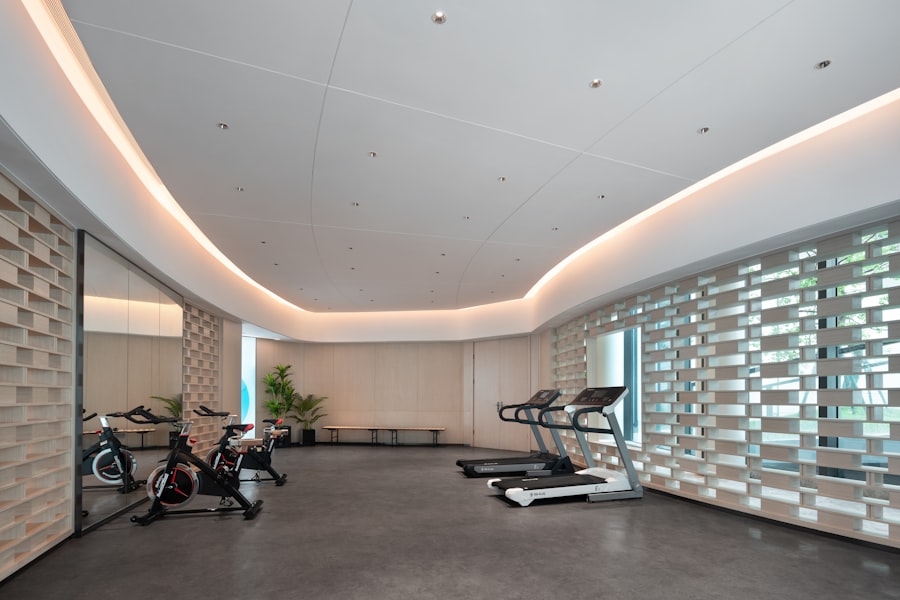
Generic workouts rarely yield lasting results. A good wellness center offers assessments to understand your current fitness level, limitations, and goals. From there, certified trainers can craft a program that’s specific to you. This could involve strength training, cardio, flexibility, or a combination. The key is progressive overload and variety to keep you engaged and challenge your body safely. Remember, consistency beats intensity every time.
Movement and Mobility
Beyond strenuous exercise, physical wellness includes maintaining good posture, preventing injuries, and improving your range of motion. Classes like yoga, Pilates, or specialized stretching sessions can be incredibly beneficial. These aren’t just about looking good; they’re about feeling good and moving freely as you age. Consider how even small improvements in your mobility can impact daily activities, from reaching for something on a high shelf to comfortably getting out of a chair.
Nutritional Guidance
What you put into your body directly impacts your energy, mood, and overall health. Wellness centers often provide access to registered dietitians or nutritionists. They can help you decipher conflicting dietary advice, address specific health concerns like allergies or digestive issues, and develop eating habits that support your fitness goals. It’s not about restrictive diets but about sustainable changes that fuel your body efficiently. This includes understanding macronutrients – proteins, carbohydrates, and fats – and how to balance them for optimal performance and health, as well as proper hydration.
Nurturing the Mind: Mental & Emotional Wellness
Our mental and emotional states are inextricably linked to our physical health. A balanced life requires attention to both.
De-Stressing Techniques
Modern life is a constant source of stress. Wellness centers often offer workshops or individual sessions focused on stress reduction. This could include mindfulness practices, meditation, breathing exercises, or even art therapy. Learning to effectively manage stress can significantly improve your quality of life, reduce anxiety, and even lower your risk of stress-related physical ailments. The goal isn’t to eliminate stress, which is often impossible, but to develop healthier coping mechanisms.
Cognitive Health Programs
Keeping your brain sharp is just as important as keeping your body strong. Some centers offer programs designed to improve cognitive function, memory, and focus. These might involve brain games, puzzles, or workshops on improving sleep – a crucial component of cognitive health. Furthermore, engaging in social activities within the center can also stimulate cognitive function and combat feelings of isolation.
Emotional Regulation Support
Life throws curveballs, and learning to navigate your emotions healthily is key to balance. While not a substitute for therapy, some wellness centers provide resources for emotional well-being, such as group discussions, journaling workshops, or basic counseling services focusing on resilience and coping strategies. This might include practical tools to identify emotional triggers and develop constructive responses, fostering a greater sense of control and inner peace.
At the Balance Health and Wellness Center, we emphasize the importance of holistic approaches to well-being, which aligns with the principles discussed in the article about permaculture practices. This article explores how sustainable living and permaculture can enhance both personal health and environmental wellness. For more insights on how these practices can contribute to a balanced lifestyle, you can read the article here: Discover the Power of Permaculture: Permaculture Practices.
Leveraging the Social & Educational Aspects
A health and wellness center isn’t just a collection of facilities; it’s a community and a learning hub.
Community & Connection
Humans are social creatures, and connection plays a vital role in our well-being.
Group Classes & Activities
Participating in group fitness classes, workshops, or even social events can be a fantastic way to meet like-minded individuals. This shared experience can provide motivation, accountability, and a sense of belonging. Whether it’s a dance class, a hiking group, or a shared cooking demonstration, these interactions contribute to a positive feedback loop that reinforces healthy habits. Shared laughter and encouragement can make even challenging workouts feel more manageable.
Peer Support Networks
Many centers facilitate peer support groups for various health challenges, from weight management to chronic pain. Sharing experiences and advice with others who understand your journey can be incredibly empowering and reduce feelings of isolation. This informal network can provide practical tips and emotional validation, reminding you that you’re not alone in your journey. Creating friendships within the center can significantly enhance your commitment and enjoyment.
Empowering Through Education
Knowledge is power when it comes to managing your health.
Workshops & Seminars
Wellness centers often host educational events on a wide range of topics, from healthy cooking and meal prepping to understanding sleep hygiene, managing chronic conditions, or improving financial wellness (which plays a significant role in stress levels). These are opportunities to learn from experts and gain practical skills you can apply immediately. Look for workshops that address your specific interests or concerns, as these are often where the most impactful learning occurs.
Access to Experts
Beyond workshops, wellness centers often employ or partner with a variety of specialists. This might include physical therapists, massage therapists, acupuncturists, or even financial planners specializing in health-related expenses. Having access to these professionals under one roof can streamline your wellness journey and provide comprehensive support. Don’t hesitate to consult with these experts to gain deeper insights into your personal health needs and how to address them.
Creating a Personalized Balance Plan

The true magic of a wellness center lies in its ability to offer diverse resources, allowing you to tailor your approach.
Initial Assessment & Goal Setting
The first step toward balance is understanding where you are and where you want to go.
Comprehensive Health Evaluation
Many centers start with a thorough assessment. This could include physical measurements, fitness tests, lifestyle questionnaires, and potentially even stress assessments. This data provides a baseline and helps identify areas for improvement. It’s like getting a map before you start your journey – you need to know your starting point to plan your route effectively.
Defining Sustainable Goals
Working with a wellness coach or advisor, you can translate your assessment results into realistic, achievable goals. These shouldn’t be overnight transformations but rather progressive steps. Focusing on small, consistent changes makes them more sustainable. For example, instead of “lose 20 pounds,” aim for “walk 30 minutes daily and incorporate one new vegetable into dinner each week.” Remember, the goal is often progress, not perfection.
Integrating the Offerings
Harmonizing different aspects of wellness requires thoughtful integration.
Crafting Your Weekly Routine
Once you have your goals, work with center staff to build a weekly routine that incorporates various elements: a few fitness sessions, perhaps a yoga class, a meditation session, and planned healthy meals. The key is to make it sustainable. Don’t overload your schedule; rather, aim for consistency over intensity. Think about how different activities can complement each other – for instance, strength training followed by stretching.
Monitoring & Adjusting
Your wellness journey is dynamic. Regularly check in with yourself and, if available, with your wellness coach. Are your current strategies working? Do you need to adjust your fitness routine, explore different stress-reduction techniques, or seek further nutritional advice? Life changes, and so should your wellness plan. This iterative process of trying, assessing, and refining is crucial for long-term success. Be open to trying new things and letting go of what isn’t serving you.
Overcoming Common Hurdles
Even with the best intentions, maintaining balance can be challenging.
Time Management Strategies
Time is a precious commodity, and often the biggest barrier to consistent wellness practices.
Scheduling Wellness
Treat your wellness appointments – gym sessions, meditation time, healthy meal prep – as non-negotiable meetings. Put them in your calendar and stick to them. Even short bursts of activity or mindfulness can make a difference. If you only have 15 minutes, use it wisely. Consistency in small doses often outweighs sporadic, intense efforts.
Batching and Efficiency
Look for ways to combine activities or increase efficiency. Can you listen to an educational podcast while walking? Can you meal prep for several days at once? Can you carpool to the center with a friend? These small optimizations can free up valuable time and reduce perceived barriers.
Maintaining Motivation
Motivation ebbs and flows – it’s a natural part of the process.
Celebrating Small Wins
Acknowledge and celebrate every step forward, no matter how small. Did you stick to your workout plan for a whole week? Did you try a new healthy recipe? Recognizing these achievements builds momentum and reinforces positive habits. Self-compassion is key; don’t beat yourself up over perceived setbacks.
Finding Your “Why”
Remind yourself why you started this journey. Is it to have more energy for your family? To improve a specific health condition? To feel more confident? Regularly connecting with your core motivations can reignite your drive when self-discipline falters. Keep a journal or a vision board to help solidify your “why.”
At the Balance Health and Wellness Center, we believe in nurturing both the body and the environment, which is why we encourage our clients to explore sustainable practices like composting. For those interested in enhancing their gardening skills while contributing to a healthier planet, a great resource is the article on composting secrets found here. This guide offers valuable insights for beginners looking to create nutrient-rich soil, which can complement a holistic approach to health and wellness.
Conclusion: Your Journey, Your Balance
| Metrics | Value |
|---|---|
| Number of Members | 500 |
| Monthly Revenue | 20,000 |
| Number of Classes Offered | 30 |
| Customer Satisfaction Rate | 95% |
Finding balance at a health and wellness center isn’t about being perfect; it’s about making conscious choices that support your overall well-being. It’s a continuous process of learning, trying, adapting, and growing. The center provides the supportive environment and the tools, but you are the architect of your own balanced life. Embrace the journey, be patient with yourself, and remember that even small, consistent efforts can lead to profound and lasting transformation. The goal is to integrate these practices into your daily life so they become a natural, enjoyable part of who you are, leading to a more fulfilling and healthier existence.
