

So, what exactly is metabolic potential and how do you unlock it? Simply put, it’s about making your body a more efficient and adaptable energy machine. Instead of just burning whatever fuel comes in, we want to teach it to use different energy sources effectively, improve its internal communication, and ultimately feel better, have more sustained energy, and potentially even boost our overall health. Think of it as fine-tuning your body’s engine, rather than just filling it with gas.
Your metabolism is far more complex than a simple calculator adding up calories. It’s a dynamic, interconnected network of chemical processes that convert food into energy, build and repair tissues, and eliminate waste. While calories undeniably play a role, focusing solely on them misses the bigger picture of how your body uses those calories.
The Energy Source Hierarchy
Your body prefers to burn carbohydrates for quick energy, but it’s also incredibly adept at using fats. Protein is used more for building and repairing. The trick to metabolic flexibility is being able to smoothly transition between these fuel sources based on availability and need, rather than getting “stuck” burning just one.
Hormones: The Unsung Conductors
Hormones like insulin, glucagon, cortisol, and thyroid hormones are the primary messengers orchestrating your metabolic symphony. Insulin helps lower blood sugar by moving it into cells, while glucagon raises it. Cortisol, the stress hormone, can impact both. Thyroid hormones regulate your overall metabolic rate. Keeping these in balance is crucial for optimal function.
For those interested in understanding the broader implications of metabolic health, a related article that delves into sustainable practices is available at Discover Powerful Regenerative Agriculture Methods. This article explores how regenerative agriculture not only benefits the environment but also supports metabolic health by promoting nutrient-rich food sources and enhancing soil vitality.
Fueling for Flexibility: Strategic Eating for Metabolic Health
Eating isn’t just about satisfying hunger; it’s about providing your body with the right signals and building blocks. We’re aiming for consistency, nutrient density, and mindful portioning to encourage metabolic flexibility.
Prioritizing Protein
Protein is king for satiety and muscle maintenance. Aim for a good quality protein source at every meal. This helps slow digestion, stabilizes blood sugar, and provides the amino acids needed for repair and growth. Think lean meats, fish, eggs, dairy, or plant-based options like lentils and tofu.
Embrace Healthy Fats
Don’t fear fat! Healthy fats are crucial for hormone production, nutrient absorption, and long-lasting energy. They also contribute to satiety, helping to reduce cravings. Focus on sources like avocados, nuts, seeds, olive oil, and fatty fish.
Smart Carbohydrate Choices
Carbohydrates are not inherently bad, but their quality matters immensely. Opt for complex carbohydrates found in vegetables, fruits, and whole grains. These are digested slowly, providing sustained energy without sharp blood sugar spikes and crashes. Limit refined carbohydrates like sugary drinks, pastries, and white bread, which can lead to insulin resistance over time.
The Power of Fiber
Fiber, found in plant foods, acts like a metabolic superhero. It aids digestion, promotes gut health, helps regulate blood sugar, and contributes to a feeling of fullness. Make sure you’re getting plenty from fruits, vegetables, whole grains, and legumes.
Movement That Matters: Beyond the Treadmill
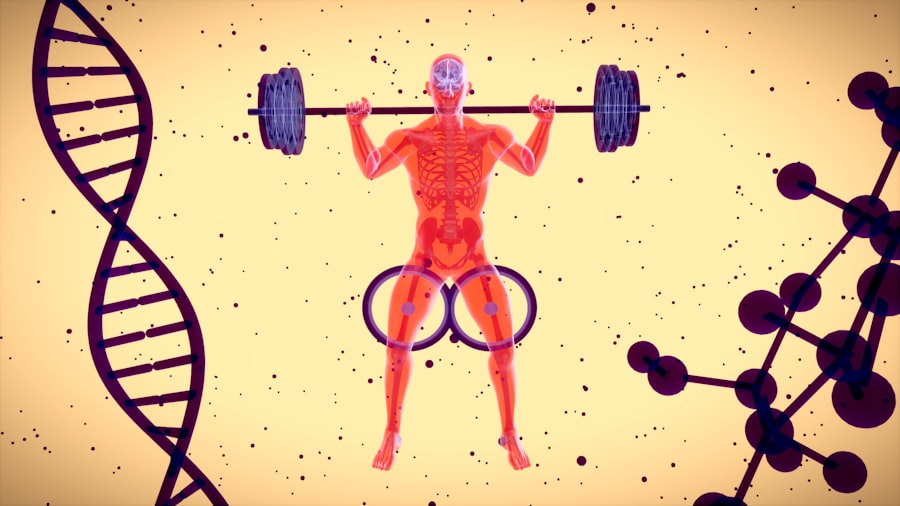
Exercise is a powerful lever for improving metabolic health, but it’s not just about burning calories. It’s about building muscle, improving insulin sensitivity, and enhancing your body’s ability to use different fuels.
Strength Training: Your Metabolic Bank Account
Building and maintaining muscle mass is arguably one of the most important things you can do for your metabolism. Muscle is metabolically active tissue, meaning it burns more calories at rest than fat does. It also improves insulin sensitivity, making your body better at handling carbohydrates. Aim for 2-3 full-body strength training sessions per week.
High-Intensity Interval Training (HIIT): The Efficient Energy Booster
HIIT involves short bursts of intense exercise followed by brief recovery periods. This type of training is excellent for improving cardiovascular fitness, boosting your metabolism for hours after your workout, and enhancing your body’s ability to burn fat. Incorporate 1-2 HIIT sessions weekly, but ease into it, especially if you’re new to exercise.
Low-Intensity Steady State (LISS): The Foundation
Don’t overlook the power of regular, low-intensity activity. Walking, cycling, or swimming at a comfortable pace for longer durations helps improve fat-burning capacity and cardiovascular health without putting excessive stress on your body. Think of LISS as the steady background hum that supports all your other metabolic efforts. Aim for 30-60 minutes most days of the week.
The Rest & Repair Factor: Sleep, Stress, and Recovery
You can eat perfectly and exercise diligently, but if you’re neglecting sleep and managing stress poorly, your metabolic potential will be severely hindered. This often overlooked aspect is just as critical as diet and exercise.
The Non-Negotiable: Quality Sleep
Sleep isn’t just downtime; it’s prime repair time. Lack of sleep throws your hormones out of whack, increasing cortisol and ghrelin (the hunger hormone) while decreasing leptin (the satiety hormone). This makes you feel hungrier, crave unhealthy foods, and impairs your body’s ability to manage blood sugar efficiently. Aim for 7-9 hours of quality sleep per night.
Combatting Chronic Stress
Modern life is stressful, but chronic stress is a metabolic disruptor. It keeps cortisol levels elevated, which can lead to increased blood sugar, insulin resistance, and fat storage (especially around the midsection). Finding effective stress management techniques – whether it’s meditation, yoga, spending time in nature, or engaging in a hobby – is vital.
Active Recovery: Listen to Your Body
Pushing yourself constantly without adequate recovery is a recipe for burnout and metabolic dysfunction. Incorporate active recovery days (gentle movement like walking or stretching) and ensure you’re giving your muscles time to repair after intense workouts. Overtraining can raise cortisol and negatively impact your metabolism.
Understanding metabolic health is crucial for overall well-being, and exploring natural remedies can significantly enhance this aspect of our lives. For those interested in learning more about how to improve metabolic function through holistic approaches, a related article can provide valuable insights. You can read more about these natural strategies in this informative piece on natural remedies that promote a healthier lifestyle.
Beyond the Basics: Advanced Strategies for Fine-Tuning
“`html
| Metabolic Metric | Value |
|---|---|
| Basal Metabolic Rate (BMR) | 1500 calories/day |
| Metabolic Rate | 10% increase after exercise |
| Metabolic Syndrome | 30% of adults affected |
“`
Once you have the foundations of diet, exercise, sleep, and stress management in place, you can explore more advanced strategies to further optimize your metabolic potential.
Intermittent Fasting (IF): Timing Your Meals
Intermittent fasting isn’t a diet; it’s an eating pattern that cycles between periods of eating and fasting. The most common approach is the 16/8 method, where you fast for 16 hours and eat within an 8-hour window. This can help improve insulin sensitivity, promote fat burning, and kickstart cellular repair processes. However, it’s not for everyone, and it’s essential to consult with a healthcare professional before starting, especially if you have underlying health conditions or are pregnant.
Nutritional Ketosis: Shifting Fuel Primary
A ketogenic diet involves drastically reducing carbohydrate intake (typically below 50g per day) and increasing healthy fats. This forces your body to switch from burning glucose as its primary fuel to burning ketones, which are produced from fat. While beneficial for some conditions and potentially for metabolic flexibility, it requires careful planning to ensure nutrient adequacy and may not be sustainable or appropriate for everyone long-term.
Cold Exposure: Boosting Brown Fat & Thermogenesis
Brief exposure to cold (e.g., cold showers, cold plunges) can activate brown adipose tissue (BAT), a type of fat that burns calories to generate heat. This process, called thermogenesis, can slightly increase your metabolic rate and improve insulin sensitivity over time. Start gradually and always prioritize safety.
Gut Health: Your Second Brain & Metabolic Hub
Your gut microbiome plays a surprisingly significant role in your metabolism. A diverse and healthy gut flora can influence nutrient absorption, hormone regulation, and even how you store fat. Prioritize fermented foods (sauerkraut, kimchi, kefir), prebiotics (fiber-rich foods), and consider a high-quality probiotic if needed.
Unlocking your metabolic potential is truly a journey, not a destination. It’s about understanding how your body works, making informed choices, and consistently applying strategies that support its natural ability to thrive. By focusing on whole, unprocessed foods, incorporating smart movement, prioritizing rest, and managing stress, you’ll be well on your way to feeling more energetic, resilient, and in control of your health. Remember, small, consistent efforts yield significant, long-lasting results.
