
Detox retreats can be a fantastic way to hit the reset button for your mind and body, offering a structured approach to shed toxins, reduce stress, and cultivate healthier habits. Think of it as a dedicated time-out for your well-being, where the focus is entirely on you and your health goals, free from the distractions and demands of everyday life. It’s not about quick fixes or extreme measures; it’s about providing your body with the optimal environment to perform its natural detoxification processes more efficiently and giving your mind a much-needed break from the constant churn of modern living.
At its core, a detox retreat is a program designed to support your body’s innate ability to cleanse itself. Our bodies are incredibly sophisticated machines, constantly working to eliminate waste products and toxins we encounter through our environment, food, and even our own metabolic processes. However, modern life often throws a lot at us: processed foods, pollution, chronic stress, and lack of sleep can all overwhelm our systems. A detox retreat aims to alleviate this burden by offering a controlled environment that minimizes exposure to new toxins while maximizing the body’s elimination pathways.
Beyond the Juice Cleanse Myth
When many people hear “detox,” they immediately think of extreme juice cleanses or deprivation. While some retreats might incorporate juice fasting or restricted diets, the concept is much broader than that. A good detox retreat typically encompasses a holistic approach, addressing not only diet but also lifestyle factors that impact detoxification and overall well-being. It’s about providing nourishing, whole foods, encouraging mindful eating, promoting physical activity, and offering practices that support mental and emotional health.
Why Consider a Retreat?
Life gets busy, and it’s easy to fall into patterns that aren’t serving our best health. A retreat offers a chance to step away from those routines and gain perspective. It provides a dedicated space and time to focus on self-care, learn new coping mechanisms for stress, and adopt healthier habits that you can then integrate into your daily life. It’s often easier to make significant changes when you’re in a supportive, immersive environment, away from the usual temptations and pressures.
If you’re considering a detox retreat to rejuvenate your mind and body, you might find it interesting to explore the principles of sustainable living that can enhance your wellness journey. A related article on permaculture practices can provide valuable insights into how holistic approaches to gardening and land management can contribute to a healthier lifestyle. You can read more about it in this informative piece: Discover the Power of Permaculture: Permaculture Practices.
The Pillars of a Quality Detox Experience
Not all detox retreats are created equal. When you’re looking for a good fit, it’s helpful to understand the key components that contribute to a truly beneficial experience.
Nutritional Support: Food as Medicine
This is often one of the most prominent aspects of a detox retreat. The aim is to reduce the burden on your digestive system and provide nutrient-dense foods that support liver function, kidney function, and other detoxification organs.
Whole, Unprocessed Foods
Expect a diet rich in fruits, vegetables, whole grains, and lean proteins. Many retreats focus on organic, locally sourced produce to minimize pesticide exposure and maximize nutrient content. The emphasis is on real food, prepared simply, to allow your body to absorb nutrients efficiently.
Elimination of Common Irritants
Typically, retreats will eliminate or significantly reduce common dietary irritants such as refined sugars, processed foods, caffeine, alcohol, and often gluten and dairy. These items can contribute to inflammation and place an additional load on your digestive and detoxification systems. The temporary removal allows your body to rest and rebalance.
Strategic Supplementation (Where Appropriate)
Some retreats may incorporate specific supplements like probiotics, digestive enzymes, or liver support herbs to further aid the detoxification process. However, a reputable retreat will emphasize food as the primary source of nutrition and only use supplements strategically and with careful guidance.
Hydration is Key
Water is crucial for every bodily function, especially detoxification. You’ll likely be encouraged to drink plenty of filtered water, herbal teas, and sometimes fresh juices throughout your stay to help flush toxins and maintain optimal hydration.
Movement and Physical Activity: Getting Things Flowing
Physical activity plays a vital role in detoxification by promoting circulation, lymphatic drainage, and waste elimination through sweat.
Gentle Yoga and Stretching
Most retreats will include daily yoga sessions, often focusing on restorative, Hatha, or Vinyasa styles. Yoga not only strengthens and stretches the body but also encourages mindful breathing, which can reduce stress and improve oxygenation.
Guided Hikes and Nature Walks
Being outdoors and connecting with nature has profound benefits for both mental and physical health. Many retreats are located in beautiful natural settings and offer guided walks or hikes, allowing you to breathe fresh air and engage in moderate cardiovascular activity.
Other Forms of Exercise
Depending on the retreat, you might find options like Pilates, swimming, dance, or even access to a gym. The goal is to encourage movement that feels good and supports your body without over-exertion.
Mind-Body Practices: Taming the Internal Storm
Stress is a significant contributor to poor health and can hinder detoxification. Therefore, mind-body practices are integral to a holistic detox experience.
Meditation and Mindfulness
Daily meditation sessions are often a cornerstone of retreats, providing tools to quiet the mind, reduce anxiety, and cultivate inner peace. Mindfulness practices encourage you to be present and aware, which can help break cycles of negative thinking.
Breathwork
Specific breathing exercises (pranayama) can calm the nervous system, improve lung capacity, and enhance oxygen delivery to cells, all of which contribute to better overall health and stress reduction.
Journaling and Reflection
Many retreats encourage journaling as a way to process thoughts and emotions, gain self-awareness, and set intentions. This space for reflection can be incredibly powerful in identifying challenges and developing strategies for future well-being.
Digital Detox (Optional but Recommended)
Some retreats advocate for or even enforce a “digital detox,” encouraging guests to put away their phones, laptops, and other devices. This allows for a deeper immersion in the retreat experience and significantly reduces mental clutter and external distractions.
Healing Therapies and Education: Deeper Support
Beyond the core program, many quality retreats offer additional therapies and educational components to enhance the experience.
Massages and Bodywork
Therapeutic massages, such as deep tissue, Swedish, or lymphatic drainage massage, can help release muscle tension, improve circulation, and stimulate lymphatic flow, further aiding detoxification.
Saunas and Steam Rooms
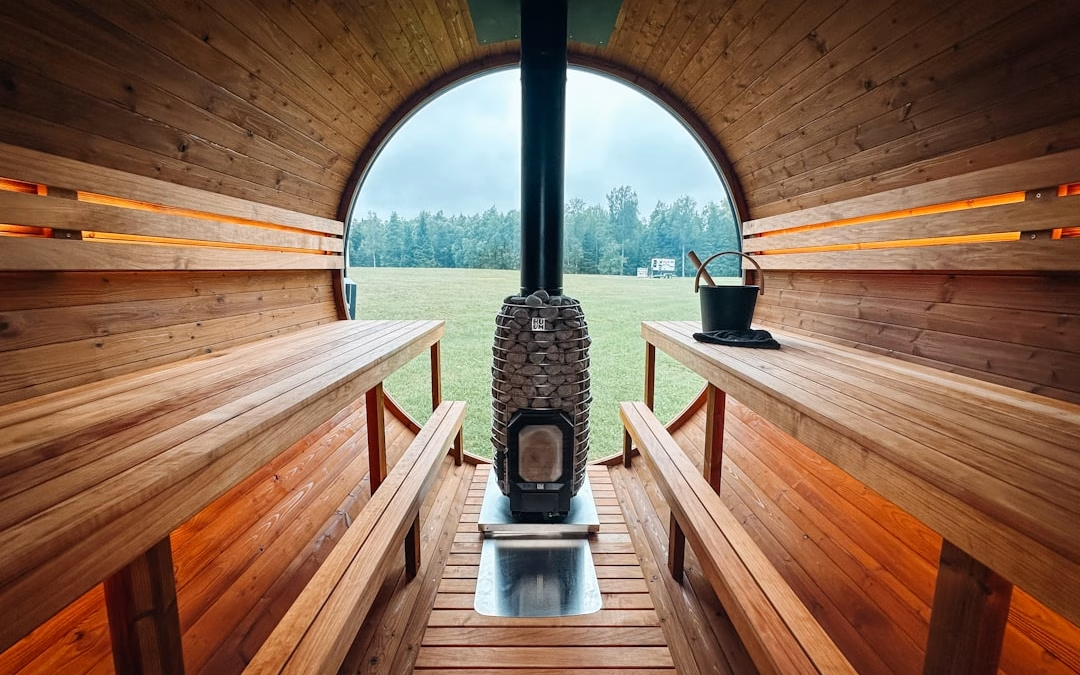
Heat therapies like saunas and steam rooms promote sweating, which is a natural way for the body to eliminate toxins through the skin. They can also help relax muscles and reduce stress.
Nutritional Workshops and Health Talks
Learning is a crucial part of making lasting changes. Many retreats offer workshops on healthy eating, meal preparation, stress management techniques, or understanding your body’s detoxification pathways. This knowledge empowers you to continue healthy practices once you return home.
Hydrotherapy
Some facilities offer hydrotherapy treatments, which involve the use of water in various forms (hot, cold, steam) to stimulate circulation and promote healing. This could include contrast showers, therapeutic baths, or even specialized water jet treatments.
Who Can Benefit from a Detox Retreat?

While a detox retreat isn’t a medical treatment for specific conditions, many people find it incredibly beneficial for a range of reasons.
Feeling Sluggish or Fatigued
If you’re constantly tired, lacking energy, or just feeling “off,” a retreat can provide the reset your body needs to regain vitality. By optimizing nutrition and reducing stressors, you can often experience a significant boost in energy.
Stress and Burnout
Modern life is notoriously stressful. A detox retreat offers a much-needed break from the daily grind, providing tools and practices to manage stress more effectively and prevent burnout. The quiet environment and focus on relaxation can be incredibly restorative.
Wanting to Kickstart Healthier Habits
Perhaps you’ve been wanting to improve your diet, start exercising, or incorporate more mindfulness into your life but haven’t found the time or motivation. A retreat offers a structured, supportive environment to initiate these changes.
Digestive Issues
Many people report improved digestion and reduced bloating after a detox retreat, largely due to the elimination of irritating foods and the emphasis on nutrient-dense, easily digestible meals.
Looking for Mental Clarity
The combination of reduced external stimuli, nourishing food, and mindfulness practices can often lead to increased mental clarity, improved focus, and a greater sense of perspective.
Pre-Conception or Post-Holiday Reset
For those planning to start a family, a detox can be a way to prepare the body for conception. Similarly, after periods of indulgence (like holidays), a retreat can help get your system back on track.
Important Note: A detox retreat is not a cure for chronic medical conditions. Always consult with your doctor before embarking on any significant dietary or lifestyle changes, especially if you have underlying health issues. A reputable retreat will often require you to complete a health questionnaire to ensure the program is suitable for you.
Choosing the Right Retreat for You

With so many options available, finding the perfect detox retreat can feel overwhelming. Consider these factors:
Location and Environment
Do you prefer a beachfront escape, a serene mountain sanctuary, or a quiet countryside setting? The natural environment can significantly enhance your experience. Consider how easy it is to get there and if the location aligns with your desire for peace and quiet.
Program Focus
Some retreats are highly specialized, focusing on juice fasting, yoga, or specific healing modalities. Others offer a more general holistic approach. Read the program details carefully to ensure it aligns with your goals and what you’re comfortable with.
Duration
Retreats can range from a weekend getaway to several weeks. Consider how much time you can realistically commit and what length of stay would be most beneficial for your goals. A shorter retreat might be a good starting point if you’re new to the concept.
Budget
Detox retreats vary widely in price depending on location, amenities, program intensity, and duration. Be clear about your budget and look for options that offer good value for what’s included. Remember to account for travel costs as well.
Amenities and Facilities
Do you prefer a rustic, back-to-basics experience or a luxurious spa environment? Consider what level of comfort and amenities you need to feel relaxed and supported. This could include private rooms, en-suite bathrooms, swimming pools, or specific spa services.
Reviews and Reputation
Always check reviews from previous guests. Look for feedback on the quality of the program, the expertise of the staff, the food, and the overall atmosphere. A strong reputation often indicates a well-run and effective retreat.
If you’re considering a detox retreat to rejuvenate your mind and body, you might find it beneficial to explore various natural remedies that can enhance your experience. A related article discusses how these remedies can contribute to a healthier lifestyle, providing insights into holistic practices that complement detoxification. You can read more about these approaches in this informative piece on natural remedies. Embracing these methods can help you maximize the benefits of your retreat and support your overall well-being.
Sustaining the Benefits Post-Retreat
| Retreat Name | Location | Duration | Cost |
|---|---|---|---|
| Wellness Detox Retreat | Costa Rica | 7 days | 2000 |
| Mindful Detox Retreat | Bali | 10 days | 2500 |
| Yoga Detox Retreat | India | 14 days | 3000 |
The true test of a successful detox retreat isn’t just how you feel while you’re there, but how well you integrate what you’ve learned into your daily life afterward.
Gradual Reintegration
Don’t jump straight back into old habits. Gradually reintroduce foods (if you’ve been on a restricted diet) and ensure you continue to prioritize whole, unprocessed options. The retreat should provide guidance on how to transition smoothly.
Implement Key Learnings
Identify the practices that resonated most with you – perhaps a specific meditation technique, a new healthy recipe, or a type of exercise. Make a conscious effort to incorporate these into your routine.
Continue Self-Care Practices
Regular self-care is not a luxury, but a necessity. Continue to prioritize sleep, manage stress through mindfulness or breathwork, and engage in physical activity that you enjoy.
Seek Support
If you need ongoing support or motivation, consider connecting with a health coach, a nutritionist, or a local wellness group. Having a support system can make a big difference in maintaining healthy habits.
Be Patient and Kind to Yourself
Making lasting changes takes time and effort. There will be days when you slip up, and that’s perfectly normal. Don’t be discouraged; simply acknowledge it and gently steer yourself back on course. The goal is progress, not perfection.
A detox retreat is an investment in your well-being, offering a powerful opportunity to reset, recharge, and rediscover a healthier, more vibrant you. By approaching it with an open mind and a commitment to carrying the lessons forward, you can truly revitalize your mind and body for the long haul.
