

Living a fulfilling life often boils down to one essential concept: total health and wellness. It’s not just about avoiding sickness; it’s about actively nurturing your mind, body, and spirit to function at their best. When these three fundamental areas are in alignment, you’re better equipped to handle life’s challenges, pursue your passions, and truly enjoy the journey. Think of it as building a strong foundation for everything else you want to achieve.
Wellness isn’t a singular destination; it’s an ongoing journey with several interconnected components. Each one plays a crucial role in your overall well-being, and neglecting one can often impact the others.
Physical Health: More Than Just Exercise
When most people think of health, physical well-being is usually the first thing that comes to mind, and for good reason. Your body is your vehicle for life, and taking care of it is paramount.
The Power of a Balanced Diet
What you put into your body directly affects how it performs. A balanced diet isn’t about deprivation; it’s about providing your body with the nutrients it needs to thrive. This means a good mix of lean proteins, whole grains, fruits, vegetables, and healthy fats. Skipping heavily processed foods, excessive sugars, and unhealthy fats can lead to noticeable improvements in energy levels, mood, and even cognitive function. Think of it less as a diet and more as a sustainable way of eating that fuels your body efficiently. This positively impacts everything from your immune system to your metabolic rate.
Moving Your Body: It’s Not Just for Athletes
Regular physical activity is non-negotiable for overall health. You don’t need to be training for a marathon; even moderate, consistent exercise can make a world of difference. This could be anything from brisk walking, cycling, swimming, or dancing, to strength training or yoga. Exercise strengthens your cardiovascular system, improves bone density, helps manage weight, boosts mood by releasing endorphins, and can even improve sleep quality. The key is finding activities you genuinely enjoy, making it easier to stick with them long-term. Even short bursts of activity throughout the day, like taking the stairs or stretching, add up.
Prioritizing Quality Sleep
In our busy world, sleep often gets pushed to the back burner, but it’s a critical component of physical and mental restoration. During sleep, your body repairs itself, consolidates memories, regulates hormones, and strengthens your immune system. Chronic sleep deprivation can lead to irritability, difficulty concentrating, increased risk of accidents, and a weakened immune response. Aim for 7-9 hours of quality sleep per night. Establishing a consistent sleep schedule and creating a relaxing bedtime routine can significantly improve your sleep quality.
Hydration: The Unsung Hero
It seems simple, but proper hydration is vital for virtually every bodily function. Water helps regulate body temperature, lubricates joints, transports nutrients, and aids in detoxification. Dehydration can lead to fatigue, headaches, poor concentration, and even impact your metabolism. Carrying a water bottle throughout the day and making it a habit to drink regularly can significantly improve your overall physical well-being. Don’t wait until you’re thirsty; thirst is actually a sign that you’re already mildly dehydrated.
For those interested in enhancing their total health and wellness, exploring holistic farming approaches can be incredibly beneficial. A related article that delves into this topic is available at Unlock the Power of Holistic Farming Approaches. This piece discusses how sustainable farming practices not only contribute to environmental health but also promote personal well-being through the consumption of nutrient-rich, organic produce. By understanding the connection between agriculture and health, individuals can make informed choices that support both their wellness and the planet.
Nurturing Your Mental Landscape
Your mental health is just as important as your physical health, influencing your thoughts, emotions, and behaviors. It affects how you cope with stress, relate to others, and make choices.
The Power of Mindfulness and Presence
In today’s fast-paced world, it’s easy to get caught up in worries about the future or regrets about the past. Practicing mindfulness, which is the act of paying attention to the present moment without judgment, can significantly reduce stress and improve mental clarity. This doesn’t necessarily mean meditating for hours; even a few minutes of focused breathing or consciously observing your surroundings can make a difference. It helps you stay grounded and less reactive to stressful situations.
Managing Stress Effectively
Stress is an unavoidable part of life, but how you manage it determines its impact on your well-being. Chronic stress can manifest physically as headaches, digestive issues, and sleep problems, and mentally as anxiety, irritability, and difficulty concentrating. Identifying your stressors and developing healthy coping mechanisms is crucial. This could include exercise, spending time in nature, pursuing hobbies, journaling, or talking to a trusted friend or therapist. It’s about finding what helps you release tension and regain a sense of calm.
Fostering Positive Relationships
Humans are social creatures, and strong, supportive relationships are fundamental to mental well-being. Connecting with friends, family, or community groups provides a sense of belonging, reduces feelings of loneliness, and offers a support system during challenging times. Make an effort to nurture these relationships, whether it’s through regular check-ins, shared activities, or simply being present for each other. On the flip side, recognizing and setting boundaries with toxic relationships is equally important for protecting your mental space.
Seeking Professional Support When Needed
There’s absolutely nothing wrong with seeking professional help for your mental health. Just as you’d see a doctor for a physical ailment, a therapist or counselor can provide valuable tools and strategies for navigating mental health challenges like anxiety, depression, or grief. It’s a sign of strength, not weakness, to recognize when you need extra support and actively seek it out. Early intervention can often prevent issues from escalating.
Cultivating Emotional Balance

Emotional wellness involves understanding and managing your emotions effectively, rather than being controlled by them. It’s about acknowledging your feelings, processing them constructively, and developing resilience.
Recognizing and Expressing Emotions
It’s common to try and suppress uncomfortable emotions, but this can often lead to them festering and resurfacing in unhealthy ways. Learning to identify and acknowledge your emotions – whether it’s joy, sadness, anger, fear, or frustration – is the first step toward managing them. Giving names to your feelings can help you understand what’s happening within you.
Developing Emotional Intelligence
Emotional intelligence is the ability to understand your own emotions and those of others, and to use this awareness to guide your thinking and behavior. This includes self-awareness (knowing your feelings), self-regulation (managing your feelings), motivation (using emotions to achieve goals), empathy (understanding others’ feelings), and social skills (managing relationships). Developing these skills allows for more effective communication, conflict resolution, and stronger bonds with others.
Practicing Self-Compassion
Life is full of ups and downs, and we all make mistakes. Self-compassion involves treating yourself with the same kindness, understanding, and acceptance you would offer to a good friend during difficult times. Instead of harsh self-criticism, self-compassion encourages recognizing your imperfections as part of the human experience and offering yourself comfort and validation. This can significantly reduce feelings of shame and inadequacy, fostering greater emotional resilience.
Building Resilience
Resilience isn’t about avoiding hardship; it’s about your ability to bounce back from adversity. It involves developing coping strategies, maintaining a positive outlook, and learning from challenging experiences. Building resilience often involves a combination of strong social connections, a sense of purpose, adaptability, and effective problem-solving skills. It’s the emotional muscle that helps you navigate life’s inevitable setbacks without being completely derailed.
Embracing a Sense of Purpose
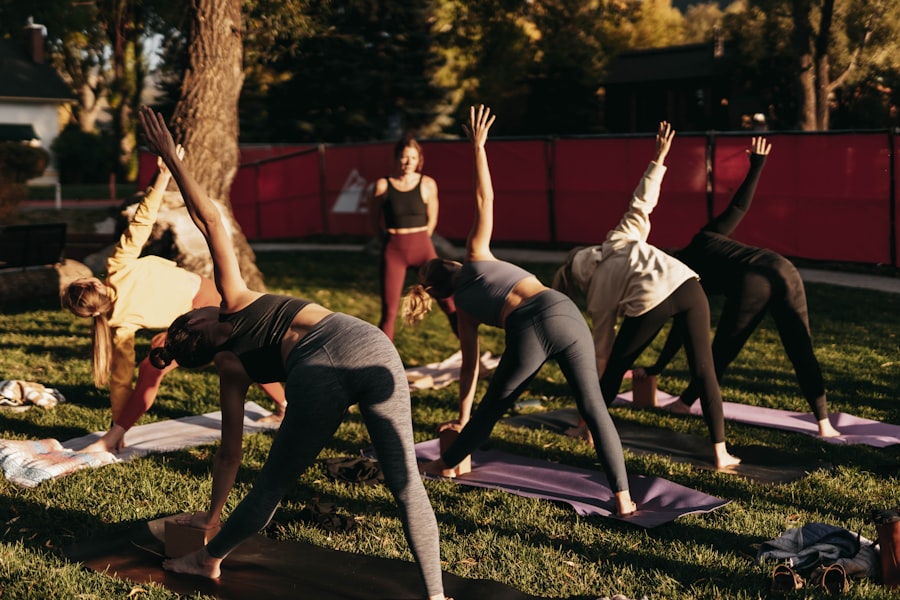
A fulfilling life often comes with a sense of purpose – a feeling that your life has meaning and direction beyond daily tasks. This doesn’t have to be a grand, world-changing mission; it can be as simple as contributing to your community, pursuing a passion, or raising a family.
Discovering Your Values and Passions
Understanding what truly matters to you is a cornerstone of purpose. What are your core values? What activities genuinely light you up and make you lose track of time? Reflecting on these questions can help you align your actions with your innermost desires, leading to a more authentic and satisfying life. When your actions are in line with your values, you experience greater satisfaction and less internal conflict.
Setting Meaningful Goals
Once you understand your values and passions, you can set goals that are genuinely meaningful to you. These don’t have to be massive undertakings; they can be small, incremental steps toward something you care deeply about. Having clear, achievable goals provides direction, motivates you, and gives you a sense of accomplishment as you work towards them. The process of working toward a goal can be just as fulfilling as achieving it.
Contribution and Connection
Many people find purpose through contributing to something larger than themselves. This could be volunteering for a cause you care about, mentoring others, being actively involved in your community, or simply being a supportive friend or family member. Contributing can create a sense of belonging and impact, reinforcing the idea that your presence makes a positive difference in the world. It provides a unique satisfaction that often transcends personal achievements.
For those interested in enhancing their total health and wellness, exploring DIY projects can be a rewarding endeavor. Engaging in hands-on activities not only fosters creativity but also promotes a sense of accomplishment and well-being. A great resource for inspiration is an article that delves into various DIY projects tailored for homesteading enthusiasts, which can be found here. These projects often encourage sustainable living practices and can significantly contribute to a healthier lifestyle.
Integrating All Aspects into Daily Life
| Category | Metric | Value |
|---|---|---|
| Physical Health | Body Mass Index (BMI) | 22.5 |
| Emotional Well-being | Stress Level | 3 (on a scale of 1-10) |
| Mental Health | Depression Score | 10 (on a scale of 0-27) |
| Social Wellness | Number of Close Relationships | 5 |
| Overall Fitness | Cardiovascular Endurance | Excellent |
The true challenge and reward lie in integrating these different dimensions of wellness into your daily routine. It’s not about perfection, but about consistent, mindful effort.
Small, Sustainable Habits
Trying to overhaul your entire life overnight is often unsustainable. Instead, focus on adopting small, manageable habits that you can consistently stick with. Want to eat healthier? Start by adding one extra vegetable serving to a meal. Need more movement? Try a 10-minute walk during your lunch break. These small wins build momentum and confidence over time. Consistency truly is the key here.
Regularly Checking In With Yourself
Take a few moments each day or week to reflect on how you’re feeling across all these wellness pillars. Are you getting enough sleep? How’s your stress level? Are you feeling connected? This self-assessment allows you to identify areas that might need a little extra attention and adjust your approach proactively. It’s like a personal health audit, helping you stay on track. This often involves asking yourself some honest questions without judgment.
Adapting and Evolving
Life is fluid, and your wellness journey will be too. What works for you today might need adjustment tomorrow. Be flexible and willing to adapt your strategies as your circumstances, needs, and priorities change. There will be times when you stumble, and that’s perfectly okay. The goal isn’t to be perfect, but to continually learn, grow, and strive for balance. This adaptability is a key component of long-term total health and wellness. It’s about being kind to yourself through the process and recognizing that it’s a marathon, not a sprint.
