

So, you’re wondering what “Feelwell” is all about? Simply put, Feelwell is a holistic approach to well-being that emphasizes the interconnectedness of your physical, mental, and emotional health. It’s not a magic pill or a quick fix, but rather a framework for building sustainable habits and making conscious choices that lead to a more balanced and fulfilling life. Think of it as a personalized roadmap to feeling genuinely good, inside and out.
At its heart, Feelwell is built upon a few foundational ideas that, once understood, can really shift your perspective on self-care. It’s about moving beyond just treating symptoms and instead focusing on cultivating overall vitality.
Interconnectedness of Mind, Body, and Spirit
This is probably the most crucial concept. We often compartmentalize our health – we go to the doctor for a physical ailment, a therapist for mental stress, and maybe church for spiritual guidance. Feelwell recognizes that these aren’t separate entities but deeply intertwined. What affects one area inevitably impacts the others.
- Mind-Body Connection: Ever notice how stress can give you a headache or an upset stomach? Or how a good workout can clear your head and boost your mood? This is a classic example. Feelwell encourages you to pay attention to these signals.
- Emotional-Physical Link: Chronic emotional distress can manifest as physical pain or weakened immunity. Conversely, feeling physically vibrant can significantly improve your emotional resilience.
- Spiritual Well-being’s Role: This doesn’t necessarily mean religious practice, though it can for some. It refers to finding meaning, purpose, and connection in your life. When you feel a sense of purpose, it can positively impact both your mental and physical health.
Proactive vs. Reactive Health Management
Most of us tend to wait until something is wrong before we address our health. Feelwell nudges us toward a more proactive stance. It’s about preventative care, not just remedial action.
- Building Resilience: Instead of just reacting to illness or stress, Feelwell encourages building up your physical and mental resilience so you’re better equipped to handle life’s inevitable challenges.
- Small, Consistent Actions: This isn’t about grand gestures. It’s about small, consistent choices made daily that accumulate over time to create significant positive changes. Think of it like compound interest for your well-being.
- Listening to Your Body’s Cues: Before a small ache becomes a major pain, or a low mood turns into full-blown anxiety, Feelwell encourages you to tune in and address these warning signs.
If you’re looking to enhance your well-being through healthy eating, you might find our article on preserving fruits and vegetables particularly useful. It offers practical tips on how to maintain the freshness and nutritional value of your produce, ensuring you enjoy the benefits year-round. For more insights, check out this related article on preserving your harvest: Preserve Your Harvest: Tips for Preserving Fruits and Veggies.
Practical Pillars of Feelwell Living
Now, let’s get into the nitty-gritty. What does Feelwell look like in daily practice? It boils down to a few key areas that, when tended to, create a strong foundation for overall well-being.
Nourishing Your Body: The Fuel for Life
What you put into your body directly impacts how you feel, both physically and mentally. This isn’t about strict diets or deprivation, but about intentional, wholesome choices.
- Whole, Unprocessed Foods: Focus on eating foods that are as close to their natural state as possible. Think fresh fruits, vegetables, lean proteins, and whole grains. These provide the essential nutrients your body needs to function optimally.
- Hydration is Key: Water is fundamental for every bodily process. Make sure you’re drinking enough throughout the day. Often, what feels like hunger is actually thirst.
- Mindful Eating: Slow down and pay attention to your food. Savor the flavors, textures, and smells. This can help with digestion, portion control, and overall satisfaction. It’s about enjoying your food, not just consuming it.
- Listen to Your Cravings (and Understand Them): Sometimes cravings are signals from your body, other times they’re emotional responses. Understanding the difference can help you make healthier choices. For example, a sugar craving might indicate a need for energy or a dip in blood sugar.
Moving Your Body: Energy in Motion
Our bodies are designed to move, and regular physical activity is crucial for both physical and mental health. This doesn’t mean you need to become an Olympian; it’s about finding movement that you enjoy and can sustain.
- Find Your Movement Style: Whether it’s walking, dancing, gardening, swimming, or weightlifting, find an activity that resonates with you. Consistency is more important than intensity, especially when you’re starting.
- Incorporate Movement into Daily Life: Take the stairs, park further away, walk during your lunch break. These small shifts add up.
- Strength and Flexibility: Aim for a balance of activities that build strength (like bodyweight exercises or lifting weights) and improve flexibility (like stretching or yoga). This helps prevent injuries and keeps your body agile.
- Movement for Mental Clarity: Exercise is a powerful stress reliever and mood booster. It releases endorphins, reduces cortisol, and can improve cognitive function.
Cultivating Your Mind: Inner Peace and Clarity
Your mental state profoundly affects your overall well-being. Feelwell encourages practices that foster calmness, focus, and emotional resilience.
- Mindfulness and Meditation: Even a few minutes a day can make a big difference. These practices train your attention, reduce stress, and can improve emotional regulation. There are many guided meditations available online if you’re new to it.
- Managing Stress Effectively: Identify your stressors and develop healthy coping mechanisms. This might include setting boundaries, learning to say no, practicing relaxation techniques, or seeking support.
- Continuous Learning and Growth: Engage your brain with new information, hobbies, or skills. This keeps your mind active and can provide a sense of accomplishment and purpose.
- Positive Self-Talk: Challenge negative thought patterns. Be as kind to yourself as you would be to a good friend. Your inner dialogue has a powerful impact on your outlook and confidence.
Building Emotional Resilience

Life throws curveballs. How you react to them, and how quickly you bounce back, is a measure of your emotional resilience. Feelwell actively supports building this inner strength.
Understanding Your Emotions
Before you can manage your emotions, you need to understand them. This isn’t about judging them as “good” or “bad” but acknowledging their presence.
- Emotional Awareness: Take time to check in with yourself. What are you feeling? Where do you feel it in your body? Naming your emotions can be a powerful first step in processing them.
- Journaling: Writing down your thoughts and feelings can help you process complex emotions, identify patterns, and gain insights into your inner world.
- Acceptance, Not Suppression: Trying to suppress emotions often makes them stronger. Feelwell encourages acknowledging your emotions without letting them overwhelm you. It’s okay to feel sad, angry, or frustrated.
Developing Healthy Coping Mechanisms
Once you understand your emotions, you can develop healthier ways to deal with them, rather than falling back on unhelpful habits.
- Seek Support: Talk to a trusted friend, family member, or therapist. Sharing your feelings can be incredibly validating and help you gain new perspectives.
- Creative Expression: Engaging in creative activities like painting, playing music, or writing can be a powerful outlet for emotions.
- Problem-Solving Skills: For controllable stressors, focus on developing practical solutions rather than dwelling on the problem. Break down large problems into smaller, manageable steps.
- Setting Boundaries: Protecting your time, energy, and emotional space is crucial for resilience. Learning to say “no” respectfully can prevent burnout and resentment.
The Importance of Connection and Purpose
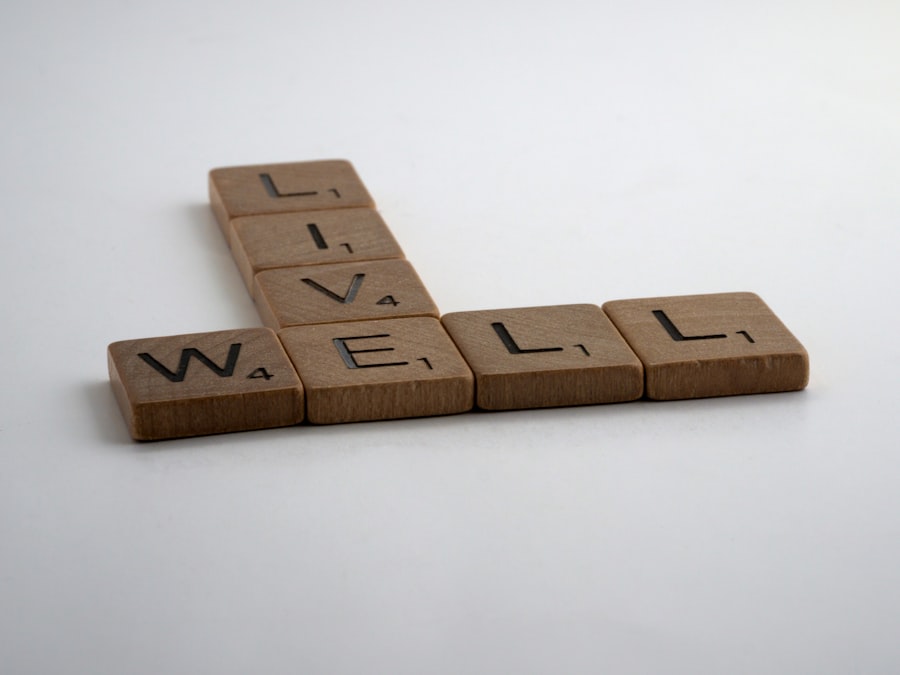
Humans are social creatures, and a sense of connection and purpose are fundamental to a healthy, happy life. Feelwell recognizes these as essential ingredients for well-being.
Meaningful Relationships
Our connections with others nourish our souls and provide a vital support system.
- Nurturing Existing Relationships: Invest time and energy in your friendships and family bonds. Quality interactions are more important than quantity.
- Building New Connections: Step outside your comfort zone to meet new people. Join a club, volunteer, or participate in community events.
- Practicing Empathy and Compassion: Understanding and caring for others not only benefits them but also enriches your own life and perspective.
- Effective Communication: Being able to express your needs and feelings clearly and respectfully is vital for healthy relationships. Also, learning to truly listen to others.
Finding Your Purpose
A sense of purpose provides direction, motivation, and a deep sense of fulfillment. It’s often not one grand thing, but a collection of pursuits that give your life meaning.
- Identifying Your Values: What truly matters to you? What principles guide your decisions? Understanding your core values can help you align your actions with what’s important.
- Engaging in Meaningful Work (Paid or Unpaid): This doesn’t strictly mean your job. It could be volunteering, a passion project, raising a family, or contributing to your community.
- Contributing to Something Greater Than Yourself: Whether it’s a cause you believe in, your community, or simply helping others, contributing can provide a profound sense of purpose.
- Setting Goals that Resonate: Having goals that align with your values and aspirations can provide a clear path and a sense of direction, even through challenges.
If you’re interested in enhancing your well-being through sustainable practices, you might find the article on embracing the homesteading lifestyle particularly insightful. This guide offers valuable tips on how to incorporate sustainable living into your daily routine, which can significantly contribute to your overall health. To explore more about this enriching lifestyle, check out the full article here.
Sustaining Your Feelwell Journey
“`html
| Category | Metrics |
|---|---|
| Physical Health | Exercise, Nutrition, Sleep |
| Mental Health | Stress Level, Emotional Well-being |
| Social Health | Relationships, Social Support |
| Overall Well-being | Life Satisfaction, Happiness |
“`
Feelwell isn’t a destination; it’s an ongoing journey. Maintaining these practices requires intention, flexibility, and self-compassion.
Consistency Over Perfection
It’s easy to get discouraged if you miss a day of exercise or eat something “unhealthy.” Feelwell emphasizes progress, not perfection.
- Small Steps, Big Impact: Don’t try to change everything at once. Pick one or two areas to focus on and build from there. Consistency in small efforts is incredibly powerful.
- Bounce Back from Setbacks: Everyone has off days. The key is not to let one slip-up derail your entire journey. Acknowledge it, learn from it, and get back on track.
- Be Patient with Yourself: Real, lasting change takes time. Celebrate small victories and be kind to yourself through the process.
Regular Self-Assessment and Adjustment
Just like you’d check your car’s oil or get a tune-up, regularly checking in with your well-being is vital.
- Periodic Check-ins: Take time monthly, or even weekly, to reflect on how you’re feeling across all the Feelwell pillars. Are you nourishing your body? Moving enough? Managing stress?
- Identify What’s Working (and What Isn’t): Some strategies might work great for a while, then lose their effectiveness. Be open to trying new things and adjusting your routine.
- Flexibility is Key: Life happens. Some weeks you might have less time for exercise, or more stress at work. Be flexible with your routines and adapt them to your current circumstances without abandoning your overall well-being goals.
- Seek Feedback (from Yourself and Others): Sometimes an outside perspective can be helpful. And regularly asking yourself “How am I really doing?” can prompt important adjustments.
Ultimately, Feelwell is about taking ownership of your well-being. It’s not about being flawless or constantly happy, but about actively participating in creating a life that feels good, balanced, and meaningful to you. It’s a gentle reminder that you have the power to influence how you feel, every single day.
