
Sure, here’s an article about optimizing health and wellness at the center, written in a friendly, practical, and conversational tone.
When we talk about optimizing health and wellness at the center, we’re really talking about making your experience here as beneficial as possible for your overall well-being. It’s not about some grand, abstract concept; it’s about the practical steps you can take while you’re here that contribute to feeling better, moving better, and living better, both now and when you leave. Think of it as getting the most bang for your buck, not just in terms of your program or services, but for your entire self.
Understanding Your “Center” Experience
Let’s break down what “the center” means in this context. It’s your unique space, your environment, your routine, and the resources available to you during your time here. Whether you’re in a residential program, attending daily sessions, or utilizing specific facilities, understanding this space is the first step.
Defining Your Center’s Unique Offerings
Every center, yours included, has its own set of tools, programs, and people aimed at supporting your journey. What are these? Are there specific classes, therapeutic modalities, nutritional support, or recreational facilities? Taking stock of these isn’t just administrative; it’s about identifying the levers you can pull to enhance your own well-being.
Identifying Available Resources
This means actively asking questions. What are the designated quiet spaces for reflection? Is there a gym or fitness area, and are there staff available to guide you on its use? What about outdoor spaces? Understanding what’s readily available empowers you to integrate it into your daily life here.
Exploring Program Integration
If you’re part of a structured program, consider how the wellness aspects are woven in. Are there mindfulness sessions, stress management workshops, or opportunities for physical activity built into the schedule? How can you proactively participate in these?
For those interested in the intersection of health and wellness, exploring sustainable agriculture can provide valuable insights into how our food choices impact our well-being. A related article that delves into this topic is available at Sustainable Agriculture: Cultivating a Greener Future. This piece highlights the benefits of sustainable farming practices and their role in promoting a healthier lifestyle, making it a great resource for anyone looking to enhance their health through mindful eating and environmental stewardship.
Fueling Your Body, Enhancing Your Mind
Nutrition and mental engagement are fundamental pillars of health, and the center offers unique opportunities to optimize both. It’s often about leveraging the environment and expertise provided to make healthier choices that stick.
Making Informed Nutritional Choices
The food you eat has a profound impact on your energy levels, mood, and overall physical health. While you’re at the center, pay close attention to the nutritional offerings and how they align with your personal health goals.
Understanding Center Meal Plans
If your center provides meal plans, take the time to understand them. What are the ingredients? Are there options to cater to dietary restrictions or preferences? Don’t hesitate to talk to the dietary staff if you have questions or need adjustments. Their goal is to support you.
Practicing Mindful Eating
Beyond what you eat, how you eat matters. This is a great environment to cultivate mindful eating. Slow down, savor each bite, and pay attention to your body’s hunger and fullness cues. This practice, when honed in a supportive setting, can extend far beyond your time here.
Engaging Your Mind for Better Well-being
A healthy mind is just as crucial as a healthy body. The center can be a fertile ground for mental stimulation and practices that support cognitive and emotional wellness.
Utilizing Educational Resources
Many centers offer access to libraries, workshops, or informational sessions. Make use of these. Learning new things, whether it’s about stress management techniques, understanding your condition, or just general knowledge, can be incredibly enriching and beneficial for cognitive health.
Practicing Mindfulness and Meditation
The environment at a center can often lend itself to quieter introspection. Embrace opportunities for mindfulness and meditation. Even short, consistent practice can have significant benefits for stress reduction, focus, and emotional regulation. Look for guided sessions, or find a quiet corner to practice on your own.
Integrating Physical Movement and Activity
Movement is essential for physical health, and the center likely provides avenues to incorporate it into your daily routine. It’s not always about intense workouts; it’s about finding forms of activity that feel good and are sustainable.
Maximizing Fitness Facilities and Programs
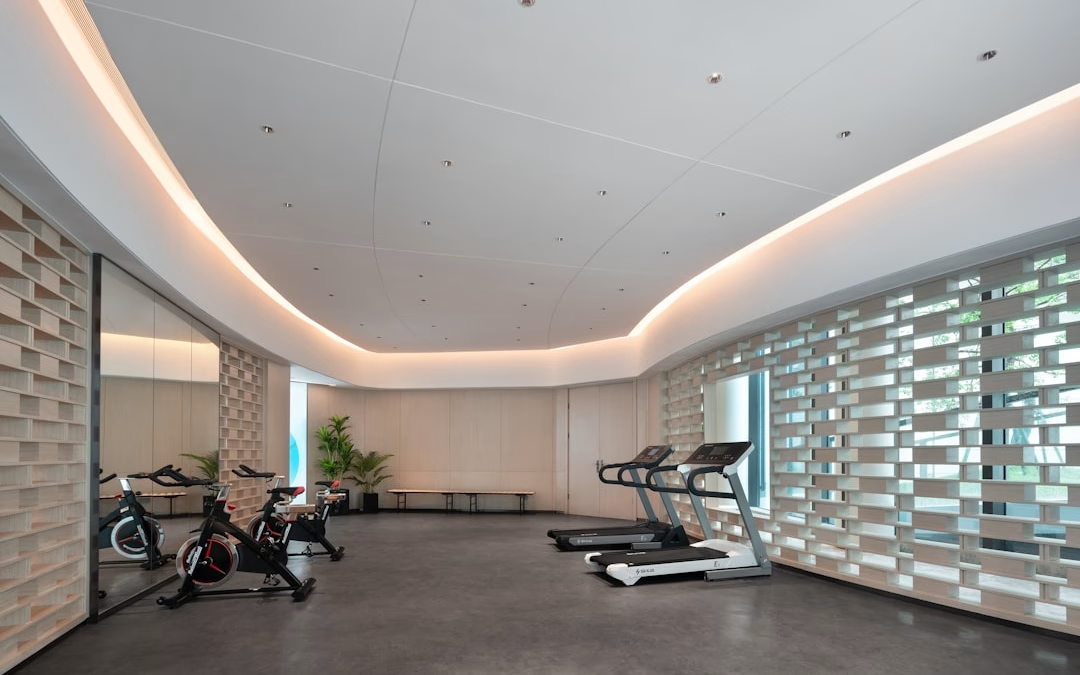
If your center has a gym or fitness classes, take advantage of them. This is a prime opportunity to re-engage with physical activity or try something new in a less intimidating environment.
Seeking Guidance from Fitness Professionals
Don’t be shy about asking for help. If there are fitness trainers or instructors, they can help you develop a safe and effective workout plan tailored to your current abilities and goals. This personalized approach can prevent injuries and build confidence.
Exploring Gentle Movement Options
Not everyone thrives on high-intensity exercise. Consider gentler forms of movement available, such as yoga, Tai Chi, or even guided walks. These activities can improve flexibility, balance, and reduce stress, contributing to overall well-being.
Embracing the Power of Nature and Outdoors
Connecting with nature has consistently shown to have positive impacts on mental and physical health. The center environment might offer unique opportunities to do just that.
Utilizing Outdoor Spaces for Activity
If there are walking paths, gardens, or other outdoor areas, use them. A simple walk in fresh air can do wonders for your mood and energy levels. It’s a physical activity that also offers mental respite.
Incorporating Nature into Daily Routines
Even small interactions with nature can be beneficial. Sitting outdoors for a meal, tending to a plant, or simply observing the natural surroundings can create a sense of calm and grounding. This conscious effort to connect can be a powerful wellness tool.
Cultivating Positive Social Connections
Human connection is a fundamental need, and the center provides a unique social landscape. Nurturing these relationships is a vital part of optimizing your overall well-being.
Building Supportive Relationships Within the Center
The people you encounter at the center, whether fellow participants, staff, or volunteers, can become a valuable source of support.
Engaging in Group Activities
Participate in group sessions, communal meals, or planned social events. These are excellent opportunities to meet people, share experiences, and build camaraderie. Feeling connected can significantly reduce feelings of isolation and improve mood.
Practicing Active Listening and Communication
When interacting with others, focus on active listening. Show genuine interest in what others have to say. Effective communication and empathy can foster stronger, more meaningful connections.
Leveraging External Support Networks
While the center offers immediate connections, don’t neglect your existing support systems outside the center.
Maintaining Communication with Loved Ones
Regular calls, video chats, or emails with family and friends outside the center can provide a vital sense of continuity and support. Let them know what you’re experiencing and allow them to offer encouragement.
Utilizing Support Groups (if applicable)
If the center facilitates access to external support groups, consider joining them. These groups can offer shared understanding and coping strategies from individuals with similar experiences.
At our health and wellness center, we believe in the importance of holistic approaches to well-being, which is why we encourage our clients to explore various methods that promote a balanced lifestyle. One insightful resource that aligns with our philosophy is an article on holistic farming approaches, which highlights how sustainable practices can enhance both personal health and the environment. You can read more about it in this informative article that delves into the benefits of integrating holistic principles into farming and how they can positively impact our overall wellness.
Establishing Sustainable Wellness Habits
The true goal of optimizing your health and wellness at the center is to build habits that you can carry forward into your life long after you leave.
Reflecting and Adapting Your Routine
Regular reflection is key. What is working well for you at the center? What are you enjoying and finding beneficial? Use this insight to refine your approach.
Identifying Key Takeaways from Your Experience
As your time at the center progresses, start identifying the specific practices, insights, or skills that have made the most difference. These are your foundational habits.
Planning for Post-Center Integration
Think about how you can replicate positive aspects of your center experience in your daily life at home. This foresight is crucial for long-term success.
Seeking Continuous Growth and Improvement
Wellness isn’t a destination; it’s an ongoing journey. The center can be the launchpad for continued growth.
Setting Realistic Goals for the Future
Once you identify what works, set realistic and achievable goals for your continued health and wellness journey. Small, consistent steps lead to significant progress.
Embracing a Growth Mindset
Approach challenges with a growth mindset, viewing them as opportunities to learn and adapt rather than as setbacks. This resilience will serve you well in maintaining your wellness.
By actively engaging with the resources, opportunities, and people within and beyond the center, you can truly optimize your health and wellness experience, setting yourself up for lasting positive change.
