

I remember a client, a vibrant teacher, who couldn’t shake her persistent fatigue and brain fog. After months of searching, she discovered a hidden patch of dampness behind her bathroom wall. For her, this environmental factor was the missing piece.
Most individuals, even those with weakened immune systems, inhale these spores daily without issue. My career is dedicated to understanding why some people react differently and how these factors impact long-term health.
Research from the National Institute of Environmental Health Sciences confirms significant links between this type of exposure and challenges with cognition and mental well-being.
My goal here is to provide a clear, compassionate guide. We’ll bridge the gap between standard medical advice and integrative healing strategies for true recovery.
Key Takeaways
- Many individuals encounter mold spores without experiencing adverse health effects.
- For those with specific sensitivities, proper management is crucial for well-being.
- Scientific studies link prolonged environmental exposure to cognitive and mental health concerns.
- A comprehensive approach combines traditional medical insight with holistic healing principles.
- Learning to identify and manage your environment is a foundational step.
- Supportive nutritional strategies can significantly aid the body’s recovery process.
- Following evidence-based protocols offers a clear path toward improved health.
Understanding Mold Exposure and Its Impact on Health
Fungal spores are a constant, unseen presence in both our homes and the outdoors. This type of mold releases tiny particles into the air we breathe as part of its natural life cycle.
For many people, this environmental exposure is a non-issue. Their immune defenses handle these particles without a problem. However, in some individuals, the body‘s defense system identifies these spores as a significant threat.
This recognition can trigger a complex inflammatory response. It’s the system‘s attempt to protect you, but it can become persistent for those with specific sensitivities.
Understanding how your body processes these environmental toxins over time is crucial. It allows you to take proactive steps to safeguard your long-term health and vitality. I focus on helping people understand this interaction.
Identifying Common Mold Types and Their Dangers
Many homeowners are surprised to learn that not all fungal growth poses the same level of risk. The environment inside your house can host very different species compared to the outdoors.
Indoor vs Outdoor Mold
Outdoor varieties are a natural part of our ecosystem. Their spores break down organic matter like leaves and wood.
Indoor growth, however, often thrives in damp, hidden areas. Bathrooms, basements, and under sinks are common spots. This persistent indoor presence is what I focus on in clinical assessments.
Understanding this difference helps you assess the specific conditions in your living space. It’s the first step toward creating a healthier home.
Toxic vs Non-Toxic Variations
Most fungi are relatively harmless. Their spores may cause allergies but not severe sickness.
Certain species, however, produce toxic agents called mycotoxins. These compounds can trigger significant physical reactions in sensitive individuals.
I often remind my patients that identifying the specific species is key. Knowing whether you’re dealing with a toxic or non-toxic variety allows for a targeted and safer response. This knowledge directly informs your remediation strategy and protects your long-term health.
Recognizing Symptoms of Mold Exposure
Scientific reviews suggest a notable percentage of the population has heightened sensitivity to specific airborne elements. A 2015 review estimates that 3% to 10% of people are more sensitive to these effects. This sensitivity can trigger a wide range of physical reactions.
Understanding your body’s signals is crucial for early action. I often see patients who dismiss these signs as simple allergies. Recognizing them as potential indicators of environmental exposure is the first step.
Respiratory and Sinus Issues
Congestion, wheezing, and sinus pressure are frequently reported. These symptoms often mimic seasonal allergies but persist year-round.
For individuals with compromised immunity, a common fungus like Aspergillus can lead to serious lung infections. This requires prompt medical attention. Prolonged exposure often worsens these respiratory issues.
Skin Irritations and Cognitive Effects
An allergy can manifest as itchy skin or rashes. A 2021 study linked diagnosed sensitivity to more severe eczema symptoms.
Cognitive challenges like brain fog are also concerning. A 2020 animal study found spore exposure interfered with neuron production. This suggests a potential biological basis for such issues.
| Symptom Category | Common Signs | Key Research Insight |
|---|---|---|
| Respiratory & Sinus | Congestion, wheezing, sinus pressure | Aspergillus can cause serious lung infections in immunocompromised individuals. |
| Skin Reactions | Itching, rashes, eczema flare-ups | Diagnosed sensitivity is associated with more severe eczema (2021 study). |
| Cognitive Effects | Brain fog, difficulty concentrating | Exposure interfered with neuron production in mice (2020 study). |
How Mold Affects Your Immune System
Consider your immune system as a sophisticated security detail, constantly screening what enters your personal space. It is designed to protect you, but it can become overwhelmed when constantly exposed to certain environmental spores and their associated toxins.
People with weakened defenses, often due to existing health conditions or medical treatments, face higher risks. Their body may struggle to prevent invasive fungal infections.
When your system identifies these spores as threats, it triggers a significant inflammatory response. This is a natural defense mechanism. However, if this alert state persists, it can lead to a chronic illness over time.
In my practice, I have observed that a compromised immune system struggles to maintain its delicate balance. This imbalance makes it harder for the body to detoxify effectively and regain equilibrium.
Therefore, strengthening your internal defenses is a cornerstone of my approach to recovery. Supporting this system helps mitigate the systemic effects of prolonged environmental exposure.
Mold in Your Home: Prevention and Identification
Your living space should be a sanctuary, but unseen dampness can quietly undermine that safety. I guide my patients through a proactive strategy to identify risks and prevent fungal growth before it starts.
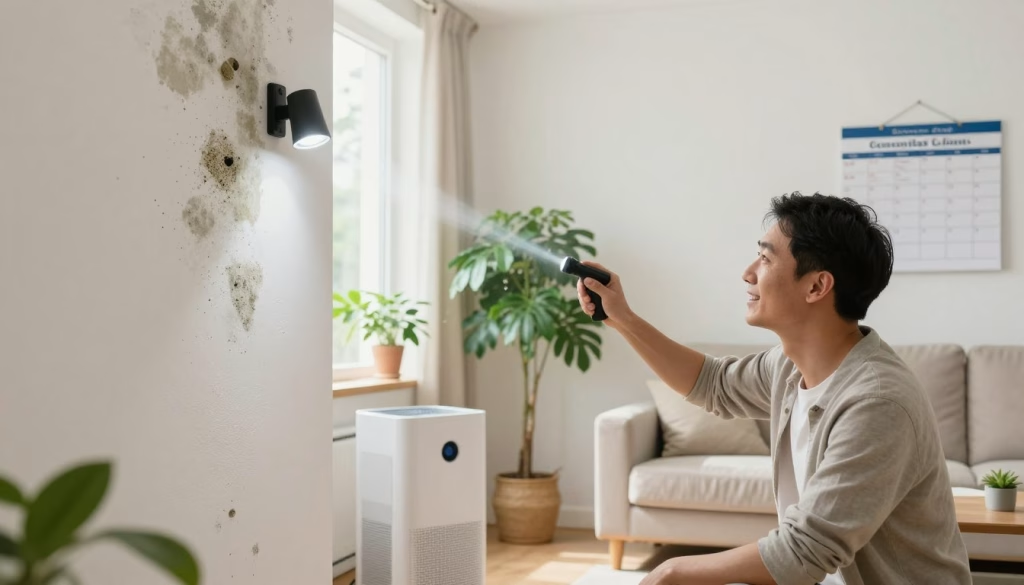
This approach centers on two core actions: vigilant inspection and controlling environmental moisture.
Spotting Hidden Mold in Damp Areas
Begin by routinely checking spots where water may pool or linger. Your bathroom, basement, and under sinks are common areas.
Look for staining that seeps from a wall or reappears after cleaning. A musty odor is another clear warning sign. Finding these issues early is crucial for your family’s health.
Managing Moisture and Humidity
After a leak or flood, you have a critical 24 to 48-hour window. Surfaces and furniture must be dried completely to stop growth.
Use dehumidifiers in damp areas and fix plumbing leaks promptly. This management is the most effective way to prevent spores from colonizing your home.
If you must clean a large contaminated area, safety is key. Wear long sleeves, pants, and an N95 respirator for protection.
Mold Illness Treatment: A Comprehensive Guide
Chronic Inflammatory Response Syndrome (CIRS) presents a unique challenge that demands a multi-faceted healing strategy. This complex condition is often triggered by exposure to biotoxins. A successful plan must address multiple layers to restore your health.
Your body possesses innate detoxification pathways. Organs like the liver and kidneys work to filter and eliminate harmful substances. However, these natural systems can become overwhelmed by a persistent toxic load.
Effective treatment focuses on supporting this natural elimination process. Concurrently, we must work to reduce the widespread inflammation that drives symptoms. This dual approach is the cornerstone of my clinical protocol.
True healing looks beyond symptoms to address the underlying source of imbalance.
I believe masking discomfort with temporary fixes is insufficient. Lasting recovery requires identifying and resolving the root environmental and biological causes. This empowers your body to regain its natural equilibrium.
| Phase | Primary Focus | Key Actions | Desired Outcome |
|---|---|---|---|
| 1. Assessment & Safety | Identify Exposure & Create Safe Space | Professional inspection, air quality testing, immediate removal from source. | Stop ongoing biotoxin intake. |
| 2. Detoxification Support | Enhance Natural Elimination | Utilize binders, optimize hydration, support liver and kidney function. | Reduce internal toxic burden. |
| 3. Inflammation Reduction | Calm Systemic Response | Anti-inflammatory diet, targeted supplements, stress management. | Alleviate chronic symptoms and pain. |
| 4. System Rebalancing | Restore Immune & Metabolic Function | Rebuild gut health, address nutrient deficiencies, regulate immune response. | Sustainable wellness and resilience. |
This guide provides the structured framework you need. It will help you navigate this illness and methodically reclaim your vitality and long-term health.
Step-by-Step Approach to Mold Illness Treatment
The path to reclaiming your well-being begins with a precise evaluation of your unique situation. I recommend a structured process that prioritizes safety and builds a foundation for lasting recovery.
Initial Assessment and Safety Measures
Your primary care doctor plays a crucial role. They can help reach a diagnosis by ruling out other conditions like asthma. The first action is always to stop ongoing exposure.
Consulting Healthcare Professionals
A healthcare professional may suggest a skin prick test. This determines if specific allergens are triggering your reactions. This collaborative insight is invaluable.
Implementing a Tailored Treatment Plan
True recovery is not one-size-fits-all. Your plan must adapt based on how your body responds. I encourage working closely with your provider to ensure every step is scientifically sound.
| Phase | Professional Focus | Your Role |
|---|---|---|
| 1. Assessment | Identify triggers, rule out other issues. | Provide detailed history, describe symptoms. |
| 2. Intervention | Prescribe binders, manage inflammation. | Follow protocols, monitor changes. |
| 3. Recovery | Support immune system rebalancing. | Adopt long-term lifestyle and dietary changes. |
This phased treatment framework provides clarity. It transforms a complex challenge into a manageable journey back to health.
The Role of Biotoxin Binder in Detoxification
Detoxification is a critical phase where specific medications can significantly aid your body’s natural cleansing processes. After exposure ends, the focus shifts to clearing residual toxins from your system.
This step is essential for reducing the internal burden that drives ongoing symptoms. I incorporate binders as a foundational tool in this stage.
How Biotoxin Binder Works
These compounds work within your digestive tract. They act like specialized sponges, designed to trap harmful mycotoxins.
By binding to these toxins, they prevent reabsorption into your bloodstream. A common pharmaceutical example is cholestyramine, a bile acid sequestrant.
This process allows your body to safely eliminate the trapped agents through normal waste. It’s a crucial step to halt the cycle of internal recirculation.
Where to Buy Biotoxin Binder
For my patients, I often recommend a specific, well-formulated product. You can Buy Biotoxin Binder to support your recovery protocol.
This binder is part of a comprehensive treatment plan designed to improve your overall health. It provides targeted support when your natural pathways are overwhelmed.
| Binder Type | Primary Action | Key Benefit in Recovery |
|---|---|---|
| Cholestyramine | Binds bile acids & mycotoxins in gut | Prevents reabsorption, reduces toxic load |
| Activated Charcoal | Adsorbs a broad range of toxins | Provides general detoxification support |
| Clay-Based Binders | Ionically binds charged particles | Gentle option for sensitive systems |
Using a quality binder gives your body the necessary time and space to heal. It is a proactive measure to reclaim your vitality.
Integrating Medications and Nutritional Supplements for Recovery
A targeted combination of pharmaceutical and nutritional support can accelerate your recovery journey. I design protocols that use specific medications to address immediate issues. Foundational supplements then help your body rebuild its strength.
This integrated approach ensures your system gets the precise help it needs. It also provides the raw materials for long-term healing.
Effective Pharmaceutical Options
Certain medications target problems that linger after exposure. For instance, BEG nasal spray contains two antibiotics and EDTA.
This spray dissolves the protective biofilm coating that bacteria create. Clearing this biofilm is key to stopping a severe inflammatory reaction.
Using this nasal spray can help resolve antibiotic-resistant sinus infections. It is a focused part of a comprehensive treatment plan.
Supportive Supplements and IV Therapies
Nutritional support works alongside pharmaceutical medications. Intravenous glutathione is a powerful example.
This treatment directly supports liver health. It may promote detoxification pathways and reduce systemic inflammation more efficiently than oral options.
I often recommend this spray and IV therapy together. This gives your body comprehensive support for a full recovery.
While some medications may have side effects, professional guidance manages them. This minimizes any adverse reaction and keeps your system safe.
Working with a knowledgeable provider ensures your plan is balanced. It addresses both immediate symptoms and underlying side issues for sustainable health.
Home Remedies Versus Professional Mold Remediation
The moment you discover growth, you face a common dilemma: attempt a DIY fix or call in the experts. This decision directly impacts your recovery and long-term well-being.
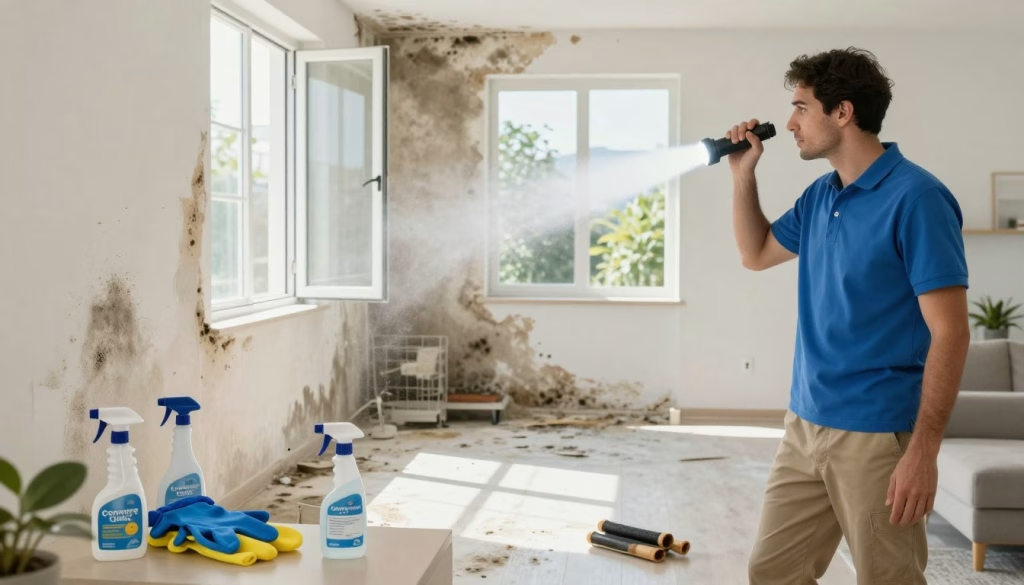
I advise my patients that removing the source from your home is just as vital as addressing the physical effects. A contaminated environment will continually challenge your health.
The CDC cautions that people with allergies or weakened immune systems should avoid cleanup themselves. Disturbing colonies can aerosolize spores, causing significant re-exposure.
While DIY methods like vinegar or bleach have a place for tiny, surface-level spots, they are rarely sufficient for larger issues. Professional remediation uses specialized equipment like HEPA vacuums and containment barriers.
| Scenario | Recommended Approach | Primary Reason |
|---|---|---|
| Small patch ( | Careful DIY cleanup with proper safety gear | Containment and exposure risk are minimal. |
| Extensive growth, hidden contamination, or sensitive occupants | Professional remediation | Ensures complete removal, protects indoor air quality, and safeguards occupant health. |
| Following any major water damage (flood, leak) | Professional assessment and drying | Prevents future colonization; experts identify moisture pockets DIY methods miss. |
Protecting your well-being means ensuring your living space is truly free from the triggers. Investing in the right solution from the start is a cornerstone of effective treatment and sustainable recovery.
Navigating Laboratory Testing and Diagnosis
Navigating the world of medical diagnostics can feel overwhelming without a clear map. I guide my patients through this process to find clarity.
An accurate diagnosis often requires multiple lab tests. These provide the concrete information your doctor needs.
Understanding Test Results
Cultures and blood tests, like the Aspergillus galactomannan test, are common. Each lab test offers a different piece of the puzzle.
Understanding your results is a critical step. This information helps differentiate a simple allergy from a complex systemic issue.
I always encourage patients to keep copies of every lab report. Tracking this data is vital for your recovery journey.
When to Seek Specialist Guidance
If symptoms persist, it’s time to consult a specialist. A healthcare provider experienced in environmental medicine is key.
They can interpret these specialized tests and provide an accurate diagnosis. This expertise is crucial for a tailored treatment plan.
Your primary doctor is a great starting point. However, a healthcare specialist offers deeper insight into complex illness.
Don’t hesitate to seek this guidance. The right test results and expert analysis can illuminate your path forward.
Supporting Your Immune System During Recovery
Recovery is not just about removing a threat. It’s about actively rebuilding your internal resilience. Your immune system is the cornerstone of this process.
I recommend targeted nutritional support to give your body the tools it needs. Vitamin C is a powerful example. It boosts your immune defenses and aids detoxification with its antioxidant function.
Probiotics are equally vital. Specific strains like Bifidobacterium enhance your gut’s ability to process and eliminate toxins. This directly supports your overall health during healing.
I emphasize that a robust immune system is the foundation for true recovery. This is especially important when your body has been weakened by chronic illness.
By focusing on immune health, you provide essential resources for repair. Many people find integrating these supportive therapies improves their resilience.
This proactive approach helps you build lasting strength against future environmental stressors. It empowers your immune network to function at its best.
Safety Guidelines for People with Compromised Immune Systems
For individuals with compromised defenses, navigating a contaminated environment requires strict safety protocols. Your body’s ability to respond is already diminished.
This places you at a much higher risk for severe infections. I always advise that people in this situation avoid any known affected area completely.
If you must enter a space with active growth, protection is non-negotiable. A properly fitted NIOSH-approved N95 respirator is the minimum standard.
This mask significantly reduces your inhalation risk. It is a critical barrier for your health when no other options exist.
I strongly advise that people with a weakened immune system never participate in physical cleanup. Disturbing colonies aerosolizes particles, creating a dangerous area.
Prevention is the most powerful medicine when your natural defenses are compromised.
These guidelines exist to shield you from a life-threatening immune response. Always consult your healthcare provider before considering entry into a remediated space.
| Scenario | Recommended Action | Key Rationale |
|---|---|---|
| Known Contamination Present | Avoid the area entirely until professional remediation is fully completed. | Eliminates exposure risk at the source, which is the most effective protection. |
| Essential Entry Required | Wear a NIOSH-approved N95 respirator and limit time inside. | Reduces inhalation of airborne particles that could trigger a severe systemic response. |
| Cleaning or Remediation Work | Do not participate. Leave all disturbance and cleanup to trained professionals. | Prevents direct contact and massive aerosol exposure, safeguarding your compromised immune system. |
Your safety depends on respecting these boundaries. Protecting your immune system allows it to focus on your core recovery journey.
Tips for Creating a Mold-Free Living Space
Creating a healthy indoor space hinges on controlling moisture and ensuring proper ventilation. I advise my patients to develop simple, daily habits. These actions drastically reduce the time available for spores to settle and grow.
Start by focusing on areas where water naturally accumulates. Your bathroom and the space under kitchen sinks are prime examples. Good airflow is your first line of defense here.
I recommend using exhaust fans during and after showers. Opening windows whenever possible also helps air out these damp areas. This consistent ventilation removes excess humidity quickly.
It prevents the stagnant, moist conditions that fungal growth loves. This proactive step is far easier than dealing with a problem later.
Sometimes, cleaning is not enough. Porous materials like carpets, drywall, and insulation can harbor spores deep within their fibers. If you cannot completely remove the contamination, replacement is the only safe option.
This protects your household’s long-term health by eliminating the source entirely. It is a crucial investment in your home‘s safety.
Make a routine of checking for signs of water damage. Look for discoloration or a musty smell in hidden corners. Catching a small leak early saves significant time and expense.
Your ultimate goal is to maintain a consistently dry environment. This turns your home into a true sanctuary. It supports your overall well-being every day.
Moving Forward: Your Path to a Healthier, Mold-Free Life
The final step in your recovery is integrating these strategies into a sustainable lifestyle. I have shared this information to empower you. It helps you take control and work effectively with your doctor.
Remember, healing is a personal journey. By addressing the root cause of your illness, you can prevent future problems. This proactive approach safeguards your long-term health.
You are not alone in this process. Many others have successfully navigated this path to regain their vitality. Their stories show that a full return to normal life is possible.
Take the time to implement the steps we’ve discussed. Prioritizing your well-being is a vital part of daily care. For a detailed guide on maintaining this progress, explore learning to live mold-free and normal.
This journey empowers your body and mind. With the right diagnosis and a committed treatment plan, you build lasting resilience for a vibrant future.
