
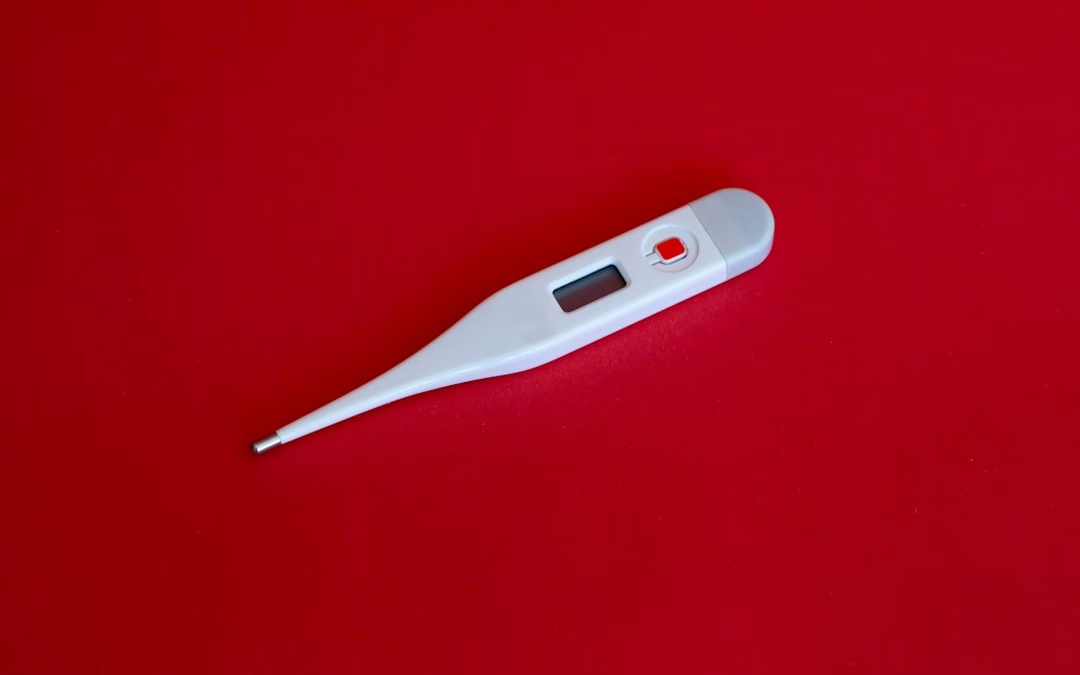
Fever is essentially your body’s way of telling you something’s up. It’s not an illness itself, but rather a symptom, a signal that your immune system is busy fighting off an invader or dealing with some kind of inflammation. Think of it as your body turning up the thermostat to make things less comfortable for bacteria and viruses. While it can feel pretty awful, a mild fever often means your body is doing its job.
What’s Considered a “Fever” Anyway?
Generally speaking, a fever in adults is considered a body temperature of 100.4°F (38°C) or higher. For children, it can be a bit lower, sometimes starting at 100°F (37.8°C). Keep in mind that normal body temperature can fluctuate throughout the day, so a slight increase isn’t always a cause for alarm. What’s important is whether the temperature is sustained and accompanied by other symptoms.
How Does Your Body Regulate Temperature?
Your hypothalamus, a tiny but mighty part of your brain, acts as your body’s thermostat. It’s constantly working to keep your core temperature stable. When you get sick, chemicals called pyrogens are released. These pyrogens tell your hypothalamus to reset its temperature set point a bit higher. This is what causes you to feel cold and shiver even when your internal temperature is rising – your body is trying to reach that new, higher set point.
A fever isn’t a standalone issue; it’s a reaction. Pinpointing the cause is often key to figuring out the best course of action.
Common Infections
By far, the most frequent culprits behind fever are infections. These can be anywhere in your body and come in various forms.
Viral Infections
- Common Cold and Flu: These are probably the most well-known causes. Viruses like rhinovirus (cold) and influenza virus (flu) trigger a widespread immune response, including fever.
- Gastroenteritis (Stomach Flu): Often caused by viruses like norovirus or rotavirus, these infections target your digestive system and can lead to fever, vomiting, and diarrhea.
- Chickenpox and Measles: While less common now thanks to vaccines, these childhood viral diseases are characterized by high fevers and distinct rashes.
- Mononucleosis (“Mono”): Caused by the Epstein-Barr virus, mono can bring on fatigue, a sore throat, swollen lymph nodes, and a persistent fever.
- COVID-19: The novel coronavirus can cause a fever along with a range of respiratory and other symptoms.
Bacterial Infections
- Urinary Tract Infections (UTIs): Bacteria invading the bladder or kidneys can lead to fever, painful urination, and lower abdominal discomfort.
- Pneumonia: An infection of the lungs, often bacterial (though it can be viral), causes fever, cough, and difficulty breathing.
- Strep Throat: Caused by Streptococcus bacteria, this infection results in a sore throat, difficulty swallowing, and fever.
- Ear Infections: Particularly common in children, bacterial ear infections can cause pain and fever.
- Cellulitis: A bacterial skin infection that can cause redness, swelling, tenderness, and fever.
- Sepsis: A life-threatening complication of an infection, where the body’s immune response to an infection damages its own tissues and organs, leading to a high fever (or sometimes low temperature) and other severe symptoms.
Other Infections
- Fungal Infections: Less common but can occur, especially in people with weakened immune systems. Examples include Valley Fever or candidiasis.
- Parasitic Infections: Such as malaria, which is transmitted by mosquitoes and causes recurring fevers, chills, and sweats.
Inflammatory Conditions
Sometimes, your body’s immune system mistakenly attacks its own tissues, leading to inflammation and fever without an infection.
- Autoimmune Diseases:
- Rheumatoid Arthritis: A chronic inflammatory disorder affecting joints.
- Lupus (Systemic Lupus Erythematosus): A chronic inflammatory disease that can affect various body parts, including joints, skin, kidneys, and blood cells.
- Crohn’s Disease and Ulcerative Colitis: Inflammatory bowel diseases that cause chronic inflammation of the digestive tract.
- Other Inflammatory Conditions:
- Vasculitis: Inflammation of blood vessels.
- Temporal Arteritis: Inflammation of arteries in the head, often seen in older adults.
- Gout: A type of inflammatory arthritis caused by a buildup of uric acid crystals in the joints.
Medications
Certain drugs can trigger a fever as a side effect. This is called a “drug fever.”
- Antibiotics: Some antibiotics can cause fever, often occurring several days after starting the medication.
- Antihistamines: Rarely, these can cause fever.
- Anticonvulsants: Used to treat seizures, some of these medications can have fever as a side effect.
- Blood Pressure Medications: Certain drugs for high blood pressure can cause drug fever.
It’s always a good idea to check the side effects leaflet of any new medication if you develop a fever after starting it.
Other Less Common Causes
While less frequent, some other conditions can also elevate your body temperature.
- Heatstroke: This is a serious medical emergency where the body overheats due to prolonged exposure to high temperatures or strenuous physical activity in hot weather. The body’s temperature regulation system fails, and it can reach very high levels (e.g., 104°F or 40°C and above).
- Malignancies (Cancers): Some cancers, particularly lymphomas and leukemias, can cause fevers as a paraneoplastic syndrome, where the cancer cells produce pyrogens or the body’s immune response causes inflammation.
- Blood Clots (Thrombophlebitis, Deep Vein Thrombosis): Inflammation around a blood clot can sometimes trigger a low-grade fever.
- Vaccinations: It’s common and normal to experience a low-grade fever or mild symptoms after receiving a vaccine (e.g., flu shot, tetanus shot). This indicates your immune system is responding and building protection.
Fever can often be a symptom of various underlying health issues, and understanding these conditions is crucial for effective management. For those interested in exploring a holistic approach to health and wellness, a related article on living an off-grid lifestyle may provide valuable insights. This article discusses how self-sufficiency and natural remedies can contribute to overall well-being. You can read more about it here: Unlock the Secrets of an Off-Grid Lifestyle.
Recognizing the Symptoms of Fever
Beyond the obvious elevated temperature, fever often brings a host of other uncomfortable symptoms.
Physical Manifestations
These are the things you can typically see or feel.
- Chills and Shivering: As your body tries to reach its new, higher set point, your muscles contract rapidly to generate heat, making you shiver.
- Sweating (when fever breaks): Once your body starts to cool down, often after the fever has peaked or when medication kicks in, you’ll likely start to sweat as your body releases heat.
- Warm or Hot Skin: Your skin might feel noticeably warm to the touch, especially on your forehead or torso.
- Flushed Skin: The skin might appear redder than usual due to increased blood flow.
- Headache: Common with fever, often described as a throbbing or dull ache.
- Muscle Aches and Joint Pain: Your body can feel generally achy and sore.
- Fatigue and Weakness: You’ll likely feel tired, lethargic, and generally unwell.
- Loss of Appetite: It’s common to not feel like eating much when you have a fever.
Associated Symptoms
These symptoms help point to the underlying cause of the fever.
- Sore Throat: Often indicates a viral or bacterial infection of the throat (e.g., strep throat, common cold).
- Cough: Can point to respiratory infections like the common cold, flu, bronchitis, or pneumonia.
- Runny Nose/Congestion: Typical of viral upper respiratory infections.
- Nausea and Vomiting: Common with stomach viruses, food poisoning, or sometimes as a general symptom of illness.
- Diarrhea: Often accompanies gastroenteritis or certain foodborne illnesses.
- Rash: Can be a sign of specific viral infections (e.g., chickenpox, measles) or allergic reactions.
- Pain (e.g., ear pain, abdominal pain): Localized pain helps pinpoint the site of infection or inflammation.
- Changes in Mental Status (in severe cases): For very high fevers or underlying severe illness, especially in children and the elderly, symptoms like confusion, irritability, or even seizures (febrile seizures in young children) can occur.
When to Reach Out to a Doctor
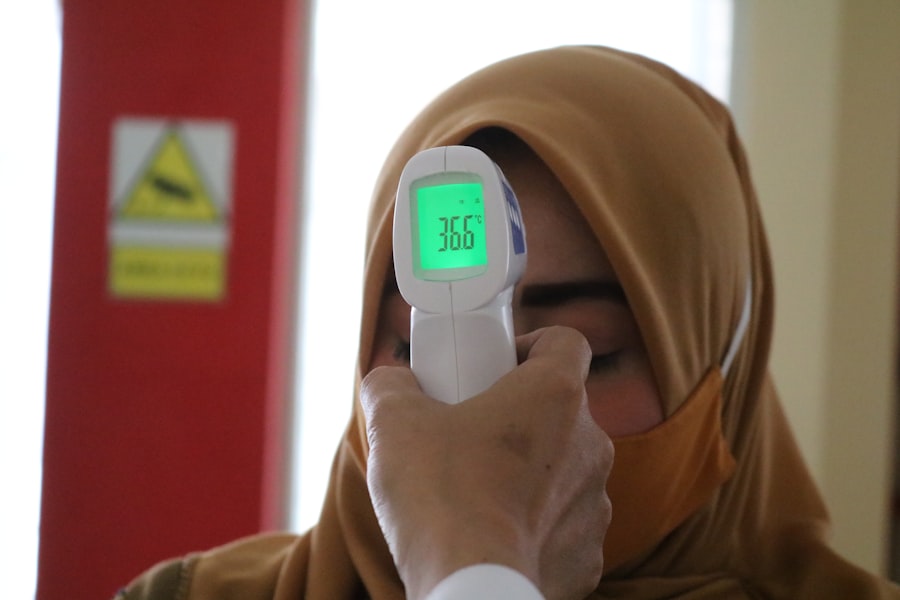
Most fevers resolve on their own, but sometimes they signal something more serious that needs professional attention.
For Adults
- High Fever: A temperature persistently above 103°F (39.4°C).
- Fever Lasting More Than 3 Days: If your fever continues without improvement for a prolonged period, it warrants a check-up.
- Severe Headache or Stiff Neck: Could indicate meningitis, a serious infection of the membranes surrounding the brain and spinal cord.
- Unusual Skin Rash: Especially if it’s purple or red and doesn’t blanch (fade) when pressed.
- Difficulty Breathing or Chest Pain: Can be a sign of pneumonia or other serious respiratory issues.
- Confusion or Slurred Speech: Points to a more severe illness affecting brain function.
- Persistent Vomiting: Especially if you can’t keep fluids down, leading to dehydration.
- Abdominal Pain or Painful Urination: Could indicate a serious infection like appendicitis or a kidney infection.
- Recent Travel to an Area with Endemic Diseases: If you’ve been abroad and develop a fever, mention your travel history to your doctor.
- Weakened Immune System: If you have a compromised immune system due to conditions like HIV/AIDS, cancer, or organ transplant medication, any fever should be reported to your doctor.
- Recent Surgery or Medical Procedure: A fever post-procedure could indicate an infection.
For Children and Infants
Children, especially very young ones, can deteriorate rapidly, so always err on the side of caution.
- Infants Younger Than 3 Months: Any fever of 100.4°F (38°C) or higher. This is a medical emergency and requires immediate medical attention.
- 3-6 Months Old:
- A temperature up to 102°F (38.9°C) with no other symptoms might be okay, but call if it’s higher or if they seem unusually irritable, lethargic, or have other concerning symptoms.
- Any signs of significant distress (e.g., difficulty breathing, mottled skin, decreased wet diapers).
- 6-24 Months Old:
- Fever above 102°F (38.9°C) lasting more than a day, or if it’s accompanied by other symptoms like rash, vomiting, diarrhea, or unusual irritability.
- If they appear unusually drowsy or difficult to wake.
- Any Age Child:
- Has trouble breathing.
- Has a stiff neck.
- Is refusing fluids for an extended period or showing signs of dehydration (e.g., dry mouth, no tears, fewer wet diapers).
- Has a new, unexplained rash.
- Has a seizure.
- Is crying inconsolably or seems extremely irritable.
- Has a specific local pain (e.g., ear pain, severe abdominal pain).
- Has a chronic medical condition (e.g., heart disease, diabetes).
Managing Fever: Practical Treatments

The primary goal of treating fever is typically to alleviate discomfort and allow the body to recover. In many cases, the fever itself isn’t harmful.
Home Care and Symptomatic Relief
Most fevers can be managed effectively at home.
Rest and Hydration
- Get Plenty of Rest: Your body needs energy to fight off infection, so resting helps conserve that energy. Don’t push yourself.
- Stay Hydrated: Drink plenty of fluids like water, clear broths, diluted fruit juice, or electrolyte solutions. Fever can lead to dehydration, so replenishing fluids is crucial. Avoid sugary drinks and dehydrators like alcohol or excessive caffeine.
Controlling Discomfort
- Over-the-Counter Medications:
- Acetaminophen (Tylenol, Paracetamol): Effective for pain and fever relief. Follow dosage instructions carefully, especially for children, and avoid exceeding the maximum daily dose. Be aware of acetaminophen in combination cold/flu medicines to avoid accidental overdose.
- Ibuprofen (Advil, Motrin): Also reduces fever and pain, and has anti-inflammatory properties. Can sometimes irritate the stomach, so take with food if you have a sensitive stomach. Not suitable for infants under 6 months.
- Naproxen Sodium (Aleve): Similar to ibuprofen, but has a longer-lasting effect. Generally for adults and older children.
- Aspirin: generally not recommended for children and teenagers due to the risk of Reye’s syndrome, a serious condition. Adults can use it, but discuss with a doctor if you have other health conditions.
- Cool Compresses or Baths: A lukewarm (not cold) bath or sponge bath can help bring the body temperature down and feel more comfortable. Placing a cool, damp cloth on your forehead or wrists can also provide some relief. Avoid cold water, as it can cause shivering and actually raise your core temperature.
- Dress Lightly: Wear thin, breathable clothing. Don’t bundle up too much, even if you feel chilly, as this can trap heat and increase your temperature. Use a light blanket if needed.
- Maintain a Comfortable Room Temperature: Keep your room cool but not cold. A fan can be used to circulate air, but avoid having it blow directly on you if you’re feeling chilled.
When Medical Intervention is Necessary
Sometimes, home care isn’t enough, and medical treatment for the underlying cause is required.
Addressing the Underlying Cause
- Antibiotics: If the fever is caused by a bacterial infection (e.g., strep throat, UTI, pneumonia), your doctor may prescribe antibiotics. It’s crucial to take the full course of antibiotics as prescribed, even if you feel better, to ensure the infection is completely cleared and prevent antibiotic resistance.
- Antivirals: For specific viral infections, such as influenza, antiviral medications might be prescribed, especially if taken early in the course of the illness. These aren’t usually available for common colds.
- Antifungals/Antiparasitics: If the fever is traced to a fungal or parasitic infection, your doctor will prescribe the appropriate medication.
- Treatment for Underlying Conditions: For fevers caused by inflammatory conditions or autoimmune disorders, managing the primary condition with specific medications (e.g., corticosteroids, immunosuppressants) will typically resolve the fever.
Hospitalization and Supportive Care
In severe cases, especially for very high fevers, dehydration, or serious underlying conditions, hospitalization might be necessary.
- Intravenous (IV) Fluids: To treat or prevent dehydration.
- Oxygen Therapy: If a patient is having trouble breathing due to a respiratory infection.
- Closer Monitoring: To keep an eye on vital signs and response to treatment.
- Specialized Treatments: Depending on the specific cause, more intensive treatments might be needed.
Fever is often a sign that the body is fighting an infection, but understanding its underlying causes can lead to more effective treatments. For those interested in exploring holistic approaches to health, you might find valuable insights in a related article about holistic farming practices. These methods emphasize the importance of natural remedies and sustainable living, which can contribute to overall well-being. To learn more about these approaches, check out this informative piece on holistic farming.
Preventing Future Fevers (Where Possible)
| Category | Metrics |
|---|---|
| Incidence | Number of reported cases |
| Symptoms | Percentage of patients with fever |
| Temperature | Average body temperature in fever cases |
| Duration | Length of fever episodes |
While you can’t prevent every illness, there are definitely steps you can take to reduce your risk of getting sick and developing a fever.
Good Hygiene Practices
Simple habits can make a big difference.
- Handwashing: Wash your hands frequently and thoroughly with soap and water for at least 20 seconds, especially after coughing, sneezing, using the bathroom, and before eating. If soap and water aren’t available, use an alcohol-based hand sanitizer with at least 60% alcohol.
- Avoid Touching Your Face: Try to keep your hands away from your eyes, nose, and mouth, as these are common entry points for germs.
- Cover Coughs and Sneezes: Use a tissue, or cough/sneeze into your elbow, then wash your hands.
Vaccinations
Vaccines are one of the most effective ways to prevent many infectious diseases.
- Seasonal Flu Shot: Get your annual flu vaccine. It helps protect against the current strains of influenza virus, reducing your risk of getting the flu and related fevers.
- Childhood Immunizations: Ensure children receive all recommended vaccinations on schedule (e.g., measles, mumps, rubella (MMR), chickenpox, diphtheria, tetanus, pertussis (DTaP)).
- Other Recommended Vaccines: Depending on age, risk factors, and travel, other vaccines might be recommended, such as pneumonia vaccines (Pneumococcal), shingles vaccine, or travel vaccines.
Healthy Lifestyle
A strong immune system is your best defense.
- Balanced Diet: Eat a variety of fruits, vegetables, lean proteins, and whole grains to provide your body with the nutrients it needs to function optimally.
- Regular Exercise: Moderate physical activity can boost your immune system. Aim for at least 30 minutes most days of the week.
- Adequate Sleep: Lack of sleep can weaken your immune system. Aim for 7-9 hours of quality sleep per night for adults.
- Stress Management: Chronic stress can take a toll on your immune system. Find healthy ways to manage stress, such as yoga, meditation, hobbies, or spending time with loved ones.
- Avoid Smoking and Excessive Alcohol: Both can suppress the immune system and increase susceptibility to infections.
Environmental Awareness
Some practical measures can also help.
- Stay Home When Sick: To prevent spreading germs to others.
- Clean and Disinfect Surfaces: Regularly clean high-touch surfaces in your home and workplace to reduce germ transmission.
- Practice Food Safety: Ensure food is cooked to proper temperatures and stored safely to prevent foodborne illnesses.
Understanding fever – what causes it, what it feels like, and how to manage it – can help you respond appropriately when your body decides to turn up the heat. Remember, while a fever is usually a temporary discomfort, listening to your body and knowing when to seek professional advice is always a good idea.
