
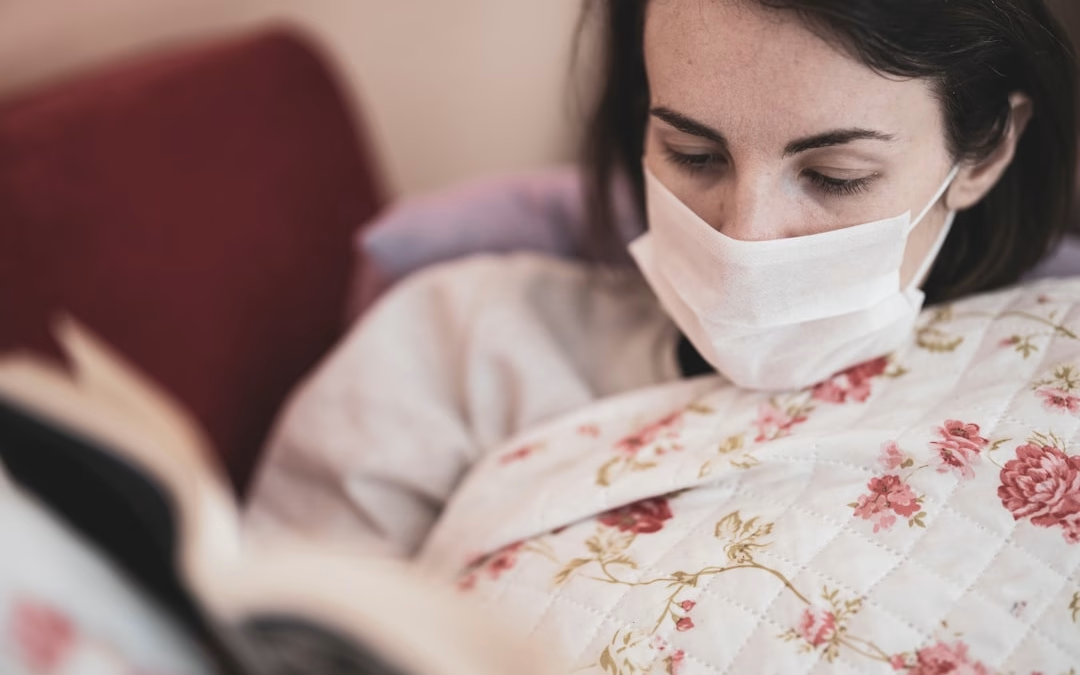
Thinking about the flu and how to avoid it? That’s a smart move. The flu, or influenza, isn’t just a bad cold. It can knock you off your feet for days and sometimes lead to more serious complications. The good news is, there are practical steps you can take to significantly reduce your chances of getting sick. This guide will walk you through what you really need to know to stay healthy this flu season and beyond.
Before we dive into prevention, it’s helpful to get a basic grasp of what we’re dealing with. The flu is caused by influenza viruses, and there are several different strains. These viruses are sneaky; they spread easily from person to person.
How the Flu Spreads
This is a big one for prevention. The primary way flu viruses spread is through respiratory droplets.
Droplets from Coughs and Sneezes
When someone who has the flu coughs, sneezes, or even talks, they release tiny droplets containing the virus into the air. If you inhale these droplets, you can become infected. This is why crowded places can be breeding grounds for the flu.
Touching Contaminated Surfaces
Another common route of transmission is indirect. Flu viruses can live on surfaces like doorknobs, phones, and keyboards for a surprisingly long time. If you touch a surface with the virus on it and then touch your eyes, nose, or mouth, you can contract the illness. Think about how often you touch your face without even realizing it. This is a key transmission pathway.
Different Types of Flu Viruses
It’s not just one flu virus out there. Different strains circulate each year.
Influenza A and B
These are the main types that cause seasonal epidemics in humans. They are further categorized into subtypes based on specific proteins on their surface (like H1N1 or H3N2 for Influenza A). The composition of these strains changes from year to year, which is why the flu vaccine is updated annually.
Other Influenza Viruses
While less common for widespread human illness, there are other influenza viruses like C and D. Influenza C typically causes mild respiratory illness and doesn’t lead to epidemics. Influenza D primarily affects cattle and isn’t known to cause illness in humans.
For those interested in understanding the broader implications of health and wellness, you might find this article on flu prevention particularly insightful. It discusses various natural remedies and lifestyle changes that can bolster your immune system, making you less susceptible to seasonal illnesses. You can read more about it here: Unlock the Secrets of an Off-Grid Lifestyle.
The Power of Vaccination
When it comes to flu prevention, the flu shot is the single most effective tool most people have. It’s not perfect, but it significantly reduces your risk and the severity of illness if you do get it.
How the Flu Shot Works
The flu vaccine essentially introduces a weakened or inactive version of the flu virus, or just parts of it, to your body. This triggers your immune system to produce antibodies.
Building Immunity
These antibodies are your body’s defense. If you are later exposed to the actual flu virus, your immune system will be ready to fight it off more effectively, preventing or lessening the severity of the infection.
Different Types of Vaccines
You might have seen different types of flu vaccines available.
Injection (Shot)
This is the most common type. It’s typically given in the arm and contains inactivated flu viruses that cannot cause illness. It’s usually recommended for most people aged 6 months and older.
Nasal Spray Vaccine
There’s also a nasal spray vaccine, which contains live but weakened flu viruses. It’s sometimes an option for certain age groups and is generally recommended for healthy individuals between the ages of 2 and 49 years who are not pregnant. However, it’s not suitable for everyone, so it’s worth discussing with your doctor.
Who Should Get Vaccinated?
The recommendation from health authorities like the CDC is pretty broad.
Everyone 6 Months and Older
In general, everyone 6 months of age and older should get a flu vaccine every year. There are very few exceptions, usually for infants younger than 6 months (who are too young to be vaccinated) or individuals with severe, life-threatening allergies to vaccine components. If you have concerns, always speak to your healthcare provider.
Pregnant Individuals
Getting the flu vaccine is especially important for pregnant individuals. Contracting the flu during pregnancy can increase the risk of serious complications for both the mother and the baby, including preterm labor and birth. The flu shot is safe and recommended at any stage of pregnancy.
People with Chronic Health Conditions
If you have a chronic health condition such as asthma, diabetes, heart disease, or a weakened immune system, getting vaccinated is crucial. The flu can be much more dangerous for these individuals, potentially leading to severe pneumonia, bronchitis, sinus infections, and even hospitalization.
When to Get Vaccinated
Timing is important. The flu vaccine takes about two weeks to become fully effective after you receive it.
Before Flu Season Starts
Ideally, you want to get vaccinated before the flu season really gets going. This typically means sometime in the early fall, September or October, is a good target. Flu activity can start as early as October and can last as late as May.
Don’t Wait Too Long
While it’s never too late to get vaccinated, waiting too long means you might be exposed to the virus before you’re fully protected. However, even if flu season is well underway, getting vaccinated will still provide benefits.
Beyond the Shot: Everyday Prevention Habits

While the flu shot is your best defense, it’s not the only one. A combination of vaccination and good hygiene practices creates a strong barrier against the virus.
Hand Hygiene is Key
This is probably the most talked-about preventative measure, and for good reason. Keeping your hands clean is a powerful way to stop germ transmission.
Frequent Handwashing
Wash your hands often with soap and water for at least 20 seconds. This means scrubbing all surfaces of your hands. It’s especially important after using the restroom, before eating, after blowing your nose, coughing, or sneezing. If soap and water aren’t readily available, use an alcohol-based hand sanitizer that contains at least 60% alcohol.
When to Use Sanitizer
Hand sanitizer is a good backup when handwashing isn’t an option. Dispense enough to cover all surfaces of your hands and rub them together until they feel dry. Remember, sanitizer may not be as effective on visibly dirty or greasy hands.
Avoiding Close Contact
Minimizing your exposure to sick individuals is straightforward but effective.
Stay Away from Sick People
If you know someone is sick with the flu, try to keep your distance. This is also a courtesy to them, as you wouldn’t want to spread whatever you might be carrying.
What to Do if You’re Sick
If you are sick with flu-like symptoms, do your best to stay home from work, school, and errands. This prevents you from spreading the virus to others. Cover your mouth and nose with a tissue when you cough or sneeze, and throw the tissue in the trash immediately.
Keeping Your Environment Clean
Regularly cleaning and disinfecting frequently touched surfaces can make a difference.
High-Touch Surfaces
Think about things like doorknobs, light switches, phones, remote controls, and countertops. These are places where viruses can linger.
What to Use for Cleaning
Use a household disinfectant to clean these surfaces. Follow the instructions on the disinfectant product to ensure it’s used correctly. Diluted bleach solutions or products containing at least 70% alcohol are effective against flu viruses.
Lifestyle Factors That Support Immunity

Your overall health plays a significant role in how well your body can fight off infections. Focusing on a healthy lifestyle can bolster your immune system.
Sleep Well
Getting enough quality sleep is fundamental for a robust immune system.
The Link Between Sleep and Immunity
During sleep, your body produces and releases cytokines, which are proteins that help fight inflammation and infection. Sleep deprivation can reduce the production of these protective cytokines and antibodies, making you more susceptible to getting sick.
How Much Sleep Do You Need?
Most adults need 7-9 hours of sleep per night. Aim for a consistent sleep schedule, even on weekends, to regulate your body’s natural sleep-wake cycle.
Eat a Balanced Diet
What you eat directly impacts your immune function.
Nutrient-Rich Foods
Focus on a diet rich in fruits, vegetables, whole grains, and lean proteins. These foods provide essential vitamins, minerals, and antioxidants that your immune system needs to function optimally. For example, Vitamin C and zinc are often cited for their roles in immune support.
Hydration
Drinking enough water is also important. Proper hydration helps your body function smoothly, including the immune system’s ability to transport nutrients and flush out waste products.
Manage Stress
Chronic stress can weaken your immune system over time.
The Stress-Immune Connection
When you’re stressed, your body releases hormones like cortisol. Prolonged elevation of cortisol can suppress your immune response, making you more vulnerable.
Stress-Reduction Techniques
Find healthy ways to manage stress, such as exercise, meditation, yoga, spending time in nature, or engaging in hobbies you enjoy. Even short breaks throughout the day to de-stress can be beneficial.
As the flu season approaches, many people are looking for ways to boost their immune systems and stay healthy. One interesting approach is through nutrition and gardening, which can provide fresh, organic produce to enhance overall well-being. For those interested in learning more about how to cultivate a healthy lifestyle, you might find this article on organic gardening techniques helpful. It offers valuable insights on how to grow your own food, which can be a great way to support your health during flu season. Check it out here.
When to Seek Medical Help
“`html
| Year | Number of Cases | Number of Deaths |
|---|---|---|
| 2018 | 45,000,000 | 61,000 |
| 2019 | 39,000,000 | 34,000 |
| 2020 | 38,000,000 | 22,000 |
“`
While flu prevention is the goal, it’s important to know when flu symptoms warrant a visit to the doctor.
Recognizing Flu Symptoms
Flu symptoms often come on suddenly. They can include fever, chills, muscle aches, cough, sore throat, runny or stuffy nose, fatigue, and sometimes vomiting and diarrhea (more common in children). Keep in mind that not everyone with the flu will have a fever.
When to Call Your Doctor
If you suspect you have the flu, especially if you are in a high-risk group, it’s a good idea to contact your healthcare provider.
High-Risk Individuals
This includes young children, adults 65 years and older, pregnant women and women up to two weeks postpartum, people with chronic medical conditions, and residents of nursing homes and long-term care facilities.
Antiviral Medications
Your doctor may prescribe antiviral drugs. These medications can make the flu less severe and can help prevent serious complications. They work best when started within the first 48 hours of illness.
Signs of Serious Complications
Some people develop complications from the flu, which can be life-threatening.
Warning Signs
Seek immediate medical attention if you experience any of the following: difficulty breathing or shortness of breath, pain or pressure in the chest or abdomen, sudden dizziness, confusion, severe or persistent vomiting, or if flu-like symptoms improve but then return with fever and worse cough.
Pneumonia and Other Issues
Complications can include pneumonia, bronchitis, sinus infections, and ear infections. In severe cases, the flu can lead to sepsis or inflammation of the heart, brain, or muscles.
By staying informed and taking these practical steps, you can significantly boost your defenses against the flu and enjoy a healthier season. Remember, prevention is always better than cure.
