

Maximizing your lifetime health and wellness isn’t about finding a magic bullet; it’s about consistently making smart choices that stack up over time. It’s a marathon, not a sprint, and it’s entirely within your control to create a stronger, more resilient you, for longer. We’re talking about practical steps, sustainable habits, and understanding how your body and mind really work.
Think of your health like a well-built house. Each part supports the others. You can’t just fix the leaky roof if the foundation is crumbling. Your physical, mental, and emotional well-being are deeply intertwined. Neglecting one area inevitably impacts the others.
The Mind-Body Connection is Real
Ever noticed how stress can make you physically ill, or how feeling good physically can boost your mood? That’s not a coincidence. Your brain and body are in constant communication. Chronic stress can lead to inflammation, digestive issues, and weakened immunity, while regular exercise can improve cognitive function and reduce anxiety. It’s a two-way street, and understanding this connection is your first step towards holistic wellness.
Why Prevention Beats Cure
It’s far easier (and often less painful and expensive) to prevent a problem than to fix it once it’s taken root. This isn’t about living in fear; it’s about empowerment. Knowing the risks and taking proactive steps can significantly reduce your chances of developing chronic diseases, maintain mobility, and improve your quality of life well into old age. Regular check-ups, healthy lifestyle choices, and listening to your body are all part of this preventative approach.
For those interested in enhancing their lifetime health and wellness, exploring the concept of urban homesteading can be incredibly beneficial. A related article that provides practical ideas for cultivating an urban homestead is available at this link: Cultivate an Urban Homestead: Practical Ideas to Try. This resource offers valuable insights into sustainable living practices that can improve both physical and mental well-being.
Fueling Your Body Wisely: Nutrition as Medicine
What you put into your body has a profound impact on how it functions, how you feel, and how well you age. It’s not about deprivation or fad diets; it’s about making informed choices that nourish your cells.
Prioritizing Whole Foods
This is the cornerstone of good nutrition. Think fruits, vegetables, whole grains, lean proteins, and healthy fats. These foods are packed with vitamins, minerals, fiber, and antioxidants – all essential for optimal bodily function and disease prevention. They provide sustained energy, support a healthy gut microbiome, and help regulate blood sugar levels.
- Fruits and Vegetables: Aim for a wide variety of colors to get a broad spectrum of nutrients. They are rich in fiber, which aids digestion and helps you feel full.
- Whole Grains: Opt for brown rice, quinoa, oats, and whole-wheat bread over refined grains. They provide sustained energy and essential fiber.
- Lean Proteins: Chicken, fish, beans, lentils, tofu, and nuts are crucial for muscle repair, hormone production, and satiety.
- Healthy Fats: Avocados, nuts, seeds, olive oil, and fatty fish (like salmon) are vital for brain health, hormone balance, and nutrient absorption.
Understanding Macronutrients and Micronutrients
Don’t get bogged down in calorie counting if it feels overwhelming, but have a general understanding of what your body needs.
- Macronutrients (Carbohydrates, Proteins, Fats): These provide the energy your body needs. Aim for a balanced intake based on your activity level and individual needs.
- Micronutrients (Vitamins and Minerals): These are essential for countless bodily processes, from bone health to immune function. A diverse whole-food diet is usually sufficient, but sometimes supplementation might be beneficial under professional guidance.
Hydration is Non-Negotiable
Water is involved in almost every bodily function – regulating temperature, transporting nutrients, lubricating joints, and flushing out waste. Dehydration can lead to fatigue, headaches, poor concentration, and digestive issues. Keep a reusable water bottle handy and aim for at least 8 glasses a day, more if you’re active or in a hot climate. Don’t wait until you’re thirsty; that’s already a sign of mild dehydration.
Moving Your Body Consistently: Exercise for Longevity
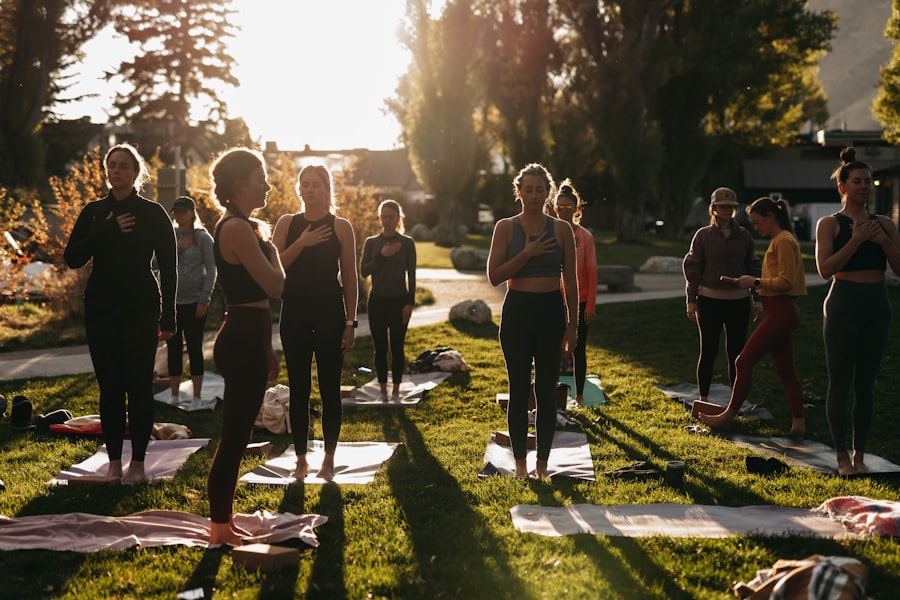
Our bodies are designed to move. Sedentary lifestyles are a major contributor to a host of health problems, from cardiovascular disease to osteoporosis. Regular physical activity isn’t just about weight loss; it’s about maintaining strength, flexibility, balance, and mental acuity.
The Power of Variety
Don’t feel like you have to be a gym rat. The best exercise is the one you’ll actually do consistently. Aim for a mix of different types of activity.
- Cardiovascular Exercise: Also known as aerobic exercise, this strengthens your heart and lungs. Think brisk walking, jogging, swimming, cycling, or dancing. Aim for at least 150 minutes of moderate-intensity activity or 75 minutes of vigorous-intensity activity per week.
- Strength Training: This builds and maintains muscle mass, which is crucial for metabolism, bone density, and functional independence as you age. Incorporate bodyweight exercises, resistance bands, or weights 2-3 times per week. Don’t skip this one; it’s vital.
- Flexibility and Balance: Yoga, Pilates, stretching, and tai chi improve range of motion, prevent falls, and reduce muscle stiffness. Even 10-15 minutes a few times a week can make a significant difference.
Making Movement a Daily Habit
Integrate movement into your everyday life. Take the stairs, park further away, walk during your lunch break, or stand while taking phone calls. Small bursts of activity throughout the day add up. Find activities you genuinely enjoy; this makes it much easier to stick with them.
Nurturing Your Mind: Mental and Emotional Well-being

Your mental and emotional health are just as important as your physical health. Neglecting them can have serious repercussions on your overall well-being and even your physical health.
Managing Stress Effectively
Stress is an unavoidable part of life, but chronic unmanaged stress can be detrimental. It can lead to anxiety, depression, sleep disturbances, lowered immunity, and digestive problems.
- Identify Stressors: Understand what triggers your stress response.
- Develop Coping Mechanisms: This could be mindfulness, meditation, spending time in nature, journaling, deep breathing exercises, or engaging in hobbies.
- Set Boundaries: Learn to say no and protect your time and energy.
- Seek Support: Don’t hesitate to talk to friends, family, or a mental health professional if stress feels overwhelming.
Cultivating Positive Relationships
Humans are social creatures. Strong social connections contribute to longevity, reduced risk of depression, and improved resilience. Make an effort to connect with loved ones, join clubs or groups, and contribute to your community. Loneliness can be as damaging to health as smoking.
Prioritizing Quality Sleep
Sleep is when your body and mind repair and rejuvenate. Chronic sleep deprivation can impair cognitive function, weaken immunity, increase stress levels, and contribute to chronic diseases.
- Establish a Routine: Go to bed and wake up around the same time each day, even on weekends.
- Create a Conducive Environment: Keep your bedroom dark, quiet, and cool.
- Limit Screen Time Before Bed: The blue light from devices can interfere with melatonin production.
- Avoid Caffeine and Alcohol Before Sleep: Both can disrupt sleep patterns.
For those interested in enhancing their lifetime health and wellness, exploring natural cleaning solutions can be a great step towards a healthier home environment. A related article discusses various homemade cleaning products that not only help maintain a spotless home but also contribute to reducing exposure to harmful chemicals. You can read more about these effective DIY cleaners by visiting this helpful resource. Embracing such practices can lead to a more holistic approach to health and well-being.
Proactive Health Management: Staying Ahead of the Curve
| Category | Metric | Measurement |
|---|---|---|
| Physical Health | Body Mass Index (BMI) | 18.5 – 24.9 |
| Emotional Well-being | Stress Level | Low |
| Nutrition | Fruit and Vegetable Intake | 5 servings per day |
| Exercise | Cardiovascular Activity | 150 minutes per week |
| Sleep | Hours of Sleep | 7-9 hours per night |
Taking an active role in your healthcare isn’t about dwelling on illness; it’s about empowering yourself with knowledge and regular maintenance.
Regular Check-ups and Screenings
Don’t wait until something is wrong to see a doctor. Regular physicals, blood tests, and age-appropriate screenings (e.g., mammograms, colonoscopies, prostate exams) can detect potential issues early, when they are most treatable. Your doctor can also help you understand your individual risk factors and offer personalized advice.
Understanding Your Family History
Knowing your family’s health history can provide valuable insights into your own predispositions. Discuss this with your family and share this information with your doctor. It can help them tailor preventative strategies and screening schedules for you.
Lifelong Learning and Cognitive Engagement
Just as you exercise your body, you need to exercise your brain. Engaging in mentally stimulating activities helps maintain cognitive function and may reduce the risk of cognitive decline. Learn a new language, play challenging games, read, pursue hobbies that require problem-solving, or take a class. Keeping your mind active is a powerful tool for overall wellness. It’s not just about academics; it’s about curiosity and continuous growth.
Practicing Self-Compassion
This is often overlooked but incredibly important. Be kind to yourself. You won’t always make the “perfect” health choices, and that’s okay. Instead of dwelling on setbacks, learn from them, forgive yourself, and get back on track. Sustainable lifelong health isn’t about perfection; it’s about consistency, resilience, and a gentler approach to yourself when things inevitably go off course. Health is a journey, not a destination, and it’s one where being your own supportive coach, rather than a harsh critic, will serve you best.
