

Think of your bones as your body’s internal scaffolding. They’re not just static structures; they’re living, dynamic tissues that are constantly being remodeled. Osteoporosis is essentially a condition where this scaffolding weakens, making bones more brittle and prone to fractures. The good news? You can absolutely take steps to prevent it and build stronger bones throughout your life. It’s about making smart choices now that pay off for years to come.
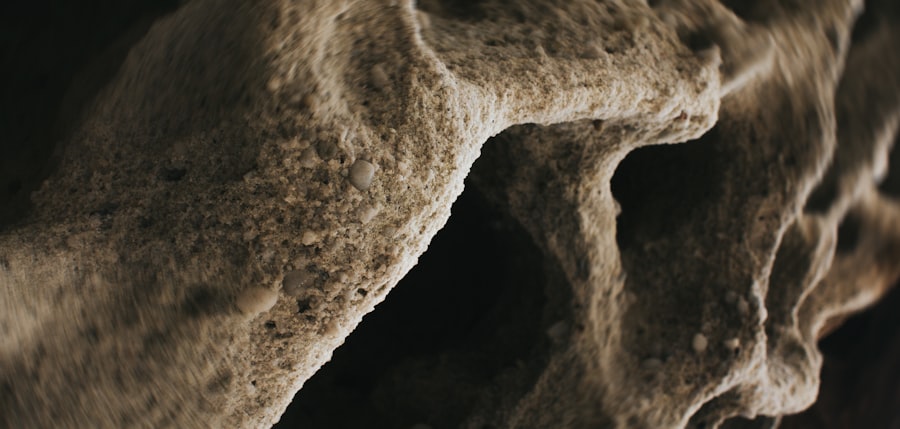
Osteoporosis literally means “porous bones.” As we age, our bodies naturally lose bone density. For most people, this gradual loss isn’t a big deal. However, for individuals with osteoporosis, the bone loss is accelerated, or bone formation is insufficient, leading to bones that are significantly less dense and more fragile. This fragility makes them much more susceptible to breaking, even from minor falls or impacts that wouldn’t typically cause a fracture in healthy bone.
Age and Bone Health: A Lifelong Journey
Bone density follows a predictable pattern throughout our lives. We build up bone mass most rapidly during childhood and adolescence, reaching peak bone mass in our late twenties or early thirties. After that, the balance shifts. While bone remodeling continues, the rate of bone breakdown can start to outpace bone formation. This is a natural process, but the rate at which it happens can vary significantly.
The Danger of Fractures: More Than Just Pain
Fractures resulting from osteoporosis can have serious consequences. Common fracture sites include the hip, spine, and wrist. A hip fracture, in particular, can be life-altering, often requiring surgery and leading to a significant loss of independence, prolonged recovery, and even increased mortality. Spinal fractures can cause chronic pain, height loss, and stooped posture, impacting mobility and quality of life.
Osteoporosis is a condition that affects bone density and strength, making individuals more susceptible to fractures and breaks. For those looking to improve their overall health and support their bone health, understanding the importance of nutrition and lifestyle choices is essential. A related article that delves into the benefits of a healthy diet and its impact on bone health can be found here: Beginners Guide to Composting: Secrets for Successful Soil. This resource highlights how nutrient-rich soil can lead to healthier plants, which in turn can contribute to a balanced diet rich in vitamins and minerals vital for maintaining strong bones.
Fueling Your Bones: The Essential Nutrients
Just like any part of your body, your bones need the right fuel to stay strong. Two key players in bone health are calcium and vitamin D, but other nutrients also play supporting roles.
The Superstar: Calcium
Calcium is the primary building block of bones and teeth. If your body doesn’t get enough calcium from your diet, it will pull it from your bones to maintain essential functions, weakening them over time. This is why getting adequate calcium is absolutely crucial.
How Much Calcium Do You Actually Need?
The recommended daily intake of calcium varies by age and sex. Generally, adults aged 19-50 need around 1,000 mg per day. This increases to 1,200 mg per day for women over 50 and men over 70. It’s important to aim for this amount consistently.
Calcium-Rich Food Sources: Beyond Dairy
While dairy products like milk, cheese, and yogurt are well-known sources of calcium, they aren’t the only option.
- Leafy Greens: Broccoli, kale, bok choy, and collard greens are excellent plant-based sources. Their calcium is readily absorbed by the body.
- Fortified Foods: Many foods are fortified with calcium, including some orange juices, cereals, and plant-based milks (like almond, soy, and oat milk). Always check the labels.
- Fish with Edible Bones: Canned sardines and salmon (with the bones) are surprisingly good sources of calcium.
- Tofu and Legumes: Some types of tofu and beans, like white beans and kidney beans, contribute to your calcium intake.
Calcium Supplements: When to Consider Them
If you struggle to meet your calcium needs through diet alone, supplements can be a helpful addition. However, it’s always best to discuss this with your doctor or a registered dietitian. They can help you determine the right type and dosage for your individual needs and advise on potential interactions with other medications. Taking too much calcium can also have side effects, so moderation is key.
The Catalyst: Vitamin D
Vitamin D is essential because it helps your body absorb calcium from the food you eat. Without enough vitamin D, even if you consume plenty of calcium, your body can’t utilize it effectively.
Sunshine Vitamin: Your Body’s Natural Source
Your skin produces vitamin D when exposed to sunlight. This is why it’s often called the “sunshine vitamin.” However, factors like latitude, season, time of day, skin pigmentation, and the use of sunscreen can affect how much vitamin D you produce.
Vitamin D Rich Foods: Not as Abundant as Calcium
Vitamin D isn’t as widely available in foods as calcium, but some good sources include:
- Fatty Fish: Salmon, mackerel, and tuna are excellent natural sources of vitamin D.
- Fortified Foods: Many of the same foods fortified with calcium are also fortified with vitamin D, such as milk, cereals, and plant-based milks.
- Egg Yolks: While not a huge source, egg yolks contribute a small amount of vitamin D.
- Mushrooms: Some varieties of mushrooms, when exposed to UV light, can contain vitamin D.
Vitamin D Supplements: Often Necessary
Due to limited dietary sources and varying sun exposure, many people don’t get enough vitamin D. Your doctor can test your vitamin D levels and recommend a supplement if necessary. As with calcium, it’s wise to get professional advice on the right dosage.
Other Important Nutrients for Bone Health
While calcium and vitamin D are the stars, other nutrients play crucial supporting roles in maintaining strong bones.
Magnesium: The Bone Matrix Maestro
Magnesium is involved in bone formation and helps with calcium absorption and vitamin D metabolism.
- Sources: Nuts, seeds (especially pumpkin and sunflower seeds), leafy green vegetables, whole grains, and dark chocolate are good sources.
Vitamin K: The Bone Builder’s Assistant
Vitamin K plays a role in bone mineralization by helping to guide calcium to the bones and away from arteries.
- Sources: Leafy greens like spinach, kale, and broccoli, as well as Brussels sprouts and fermented foods.
Protein: The Structural Support
Protein is a component of bone and is essential for overall bone health and muscle strength, which is key for preventing falls.
- Sources: Lean meats, poultry, fish, eggs, dairy products, legumes, nuts, and seeds.
The Power of Movement: Exercise for Strong Bones
You might think of exercise mainly for muscles, but it’s also incredibly important for your bones. Weight-bearing and muscle-strengthening activities stimulate bone cells to build bone density.
Weight-Bearing Exercises: The Foundation
These are activities where you’re on your feet, working against gravity. They push your bones to get stronger.
- Walking: A simple yet effective way to get your bones working. Aim for brisk walks.
- Running and Jogging: More intense forms of weight-bearing exercise.
- Dancing: Fun and engaging, dancing gets your bones moving and strengthens them.
- Hiking: The varied terrain adds an extra challenge and benefit.
- Stair Climbing: A great way to give your leg bones a workout.
Strength Training: Building Muscle and Bone
Lifting weights or using resistance bands helps build muscle mass, which in turn supports your bones and improves balance, reducing the risk of falls.
- Bodyweight Exercises: Squats, lunges, push-ups, and planks are excellent starting points.
- Lifting Weights: Using dumbbells, barbells, or weight machines.
- Resistance Bands: A versatile and portable option for adding resistance.
- Focus on Major Muscle Groups: Target your legs, hips, back, chest, shoulders, and arms. Aim for 2-3 sessions per week, allowing for rest days between workouts.
Balance and Flexibility: Preventing Falls
While not directly building bone density, improving your balance and flexibility is crucial for preventing falls, which are the primary cause of osteoporotic fractures.
- Yoga and Tai Chi: These practices are renowned for improving balance, flexibility, and body awareness.
- Single-Leg Stands: Practice standing on one leg for a short period, gradually increasing the duration.
- Heel-to-Toe Walking: Walking with the heel of one foot directly in front of the toes of the other can improve stability.
Lifestyle Choices: Factors That Impact Bone Health

Beyond diet and exercise, several lifestyle habits can significantly influence your bone health, both positively and negatively.
The Impact of Smoking: Damaging Your Scaffolding
Smoking is a known detriment to bone health. Nicotine and other chemicals in cigarettes can interfere with the cells that build bone and can also affect calcium absorption. Quitting smoking is one of the best things you can do for your bones.
Alcohol Consumption: Moderation is Key
Excessive alcohol intake can interfere with calcium balance in your body and increase the risk of falls. Moderate alcohol consumption is generally considered okay, but if you drink heavily, cutting back or quitting can benefit your bone health.
Caffeine and Your Bones: A Nuanced Relationship
While moderate caffeine intake is unlikely to cause significant harm, very high consumption could potentially interfere with calcium absorption. If you drink a lot of coffee or other caffeinated beverages, ensure you’re getting plenty of calcium from other sources.
Medications: Understanding Potential Side Effects
Certain medications can have side effects that impact bone density.
- Corticosteroids: Long-term use of steroids like prednisone can significantly weaken bones.
- Some Antiseizure Medications: A few medications used to treat epilepsy can affect calcium and vitamin D metabolism.
- Proton Pump Inhibitors (PPIs): Used to treat heartburn and acid reflux, long-term use of some PPIs has been linked to a slight increase in fracture risk.
If you are on any of these medications, discuss your bone health with your doctor. They may recommend strategies to mitigate the risks, such as increasing calcium and vitamin D intake or even prescribing bone-protective medications.
Osteoporosis is a condition that affects bone density and strength, making individuals more susceptible to fractures. For those interested in holistic approaches to health, exploring sustainable living practices can be beneficial. A related article discusses how embracing the homesteading lifestyle can contribute to overall well-being, which may indirectly support bone health. You can read more about this in the article on embracing the homesteading lifestyle. By integrating natural foods and physical activity into daily routines, individuals may find ways to enhance their bone health while enjoying a more sustainable way of living.
Knowing Your Risk: When to Talk to Your Doctor
| Age Group | Prevalence | Risk Factors |
|---|---|---|
| 50-59 | 10% | Low calcium intake, sedentary lifestyle |
| 60-69 | 20% | Family history, smoking, excessive alcohol consumption |
| 70-79 | 30% | Postmenopausal, low body weight, certain medications |
While prevention is the goal, understanding your individual risk factors is also important. Early detection and intervention can make a significant difference in managing bone health.
Who is at Higher Risk?
Several factors can increase your risk of developing osteoporosis.
Age and Sex: Natural Tendencies
- Women: Especially after menopause, women are at a higher risk due to a decline in estrogen levels, which plays a protective role in bone health.
- Older Adults: The risk increases with age as bone density naturally declines.
Family History: A Genetic Link
If you have a parent or sibling with osteoporosis or a history of fractures, your risk may be higher.
Body Frame: Smaller and Thinner Bones
Individuals with smaller body frames and thinner bones tend to have less bone mass to begin with, potentially making them more susceptible to osteoporosis.
Medical Conditions: Pre-existing Health Issues
Certain medical conditions can contribute to bone loss:
- Thyroid and Parathyroid Disorders: Conditions affecting these glands can disrupt calcium and bone metabolism.
- Inflammatory Bowel Diseases (IBD): Crohn’s disease and ulcerative colitis can impair nutrient absorption, including calcium and vitamin D.
- Rheumatoid Arthritis: This inflammatory condition can lead to bone loss.
- Celiac Disease: An autoimmune disorder affecting the small intestine, leading to malabsorption.
Previous Fractures: A Warning Sign
If you’ve had a fracture from a minor fall or bump, it could be a sign that your bones are already weakened.
Bone Density Testing: What to Expect
A bone density test, also known as a DEXA scan (dual-energy X-ray absorptiometry), is the most common and accurate way to assess bone health. It’s a quick, painless scan that measures the mineral content of your bones, particularly in the hip and spine.
Who Should Get Tested?
- Women aged 65 and older.
- Men aged 70 and older.
- Postmenopausal women younger than 65 with risk factors.
- Men aged 50-69 with risk factors.
- Individuals who have had a bone fracture after age 50.
- Individuals with certain medical conditions or who are taking medications that put them at risk for osteoporosis.
It’s always best to have a conversation with your doctor about whether bone density testing is right for you. They can assess your individual risk and guide you on the best course of action.
Osteoporosis is a condition that significantly affects bone health, making it crucial to explore various ways to maintain strong bones. One effective approach is through proper nutrition, which can be enhanced by incorporating preserved fruits and vegetables into your diet. For tips on how to effectively preserve these nutritious foods, you can check out this informative article on preserving fruits and veggies. By ensuring you have a steady supply of vitamins and minerals, you can support your bone health and potentially reduce the risk of osteoporosis.
Staying Proactive: Your Bone Health Toolkit
Preventing osteoporosis isn’t about a single “magic bullet.” It’s about adopting a comprehensive approach that integrates healthy habits into your daily life. Think of it as building and maintaining a strong, resilient structure from the inside out.
A Balanced Diet: Fueling Your Body for Life
Prioritize whole, unprocessed foods that are rich in the nutrients your bones need. Don’t be afraid to explore different food groups and find sources of calcium and vitamin D that you enjoy.
Consistent Exercise: Move Your Bones Regularly
Aim for a regular exercise routine that includes weight-bearing activities, strength training, and exercises that improve balance. Find activities you genuinely enjoy, making it easier to stick with them long-term.
Mindful Lifestyle Choices: Avoiding Bone-Weakening Habits
Be aware of the impact of smoking and excessive alcohol consumption on your bone health. Making positive changes in these areas can have a significant ripple effect on your overall well-being.
Regular Check-ins with Your Doctor: Your Partner in Health
Don’t hesitate to discuss your bone health concerns with your healthcare provider. They can offer personalized advice, monitor your risk factors, and recommend appropriate interventions, including bone density testing if needed.
By understanding the importance of bone health and taking proactive steps, you can significantly reduce your risk of osteoporosis and enjoy a more active, fulfilling life for years to come. It’s about making informed choices today that empower you to live a stronger tomorrow.
