

Mindful movement, in a nutshell, is about bringing your full attention to how your body moves. It’s not just exercise; it’s a practice of awareness, tuning into sensations, breath, and the present moment while you’re physically active. Think of it as a counterpoint to the ‘no pain, no gain’ mentality, focusing instead on internal experience and connection rather than just external performance or burning calories.
It’s not really “suddenly.” Mindful movement practices have roots that go back thousands of years in traditions like yoga, Tai Chi, and certain forms of meditation. What’s different now is their widespread adoption as a recognizable “wellness trend” in Western culture. Several factors have contributed to this shift.
The Pandemic’s Push for Inner Focus
The global pandemic, with its lockdowns and anxieties, forced many of us indoors and inward. Gyms closed, social activities ceased, and the usual distractions diminished. This created a fertile ground for practices that could be done at home, often with minimal equipment, and that offered stress relief alongside physical activity. People started looking for ways to cope, and mindful movement, with its emphasis on calm and presence, fit the bill perfectly.
Burnout and the Search for Sustainable Wellness
Before the pandemic, we were already seeing a surge in burnout across various professions and demographics. The constant pressure to be “on,” coupled with demanding schedules, left many feeling depleted. Traditional high-impact workouts, while effective for some, can feel like another item on an already overwhelming to-do list. Mindful movement offers a gentler, more sustainable approach to wellness, focusing on restoration and self-care rather than pushing through exhaustion. It’s about listening to your body, not punishing it.
Digital Overload and the Need to Disconnect
Our lives are increasingly tethered to screens. From work to entertainment to social connection, digital devices dominate our attention. This constant connectivity, while convenient, can lead to mental fatigue, decreased attention spans, and a feeling of being perpetually “on.” Mindful movement provides a much-needed antidote – a dedicated time and space to disconnect from the digital world and reconnect with our physical selves. It’s a chance to quiet the mental chatter and truly be present.
A Holistic View of Health
There’s a growing understanding that health isn’t just about physical fitness or the absence of disease. Mental and emotional well-being are equally crucial components. Mindful movement inherently integrates these aspects. It’s not just about strengthening muscles; it’s about calming the mind, reducing stress, and fostering a deeper connection between body and mind. This holistic perspective resonates deeply with people seeking comprehensive wellness solutions.
As the wellness trend continues to gain momentum, many individuals are exploring holistic approaches to enhance their well-being. One fascinating aspect of this trend is the rise of DIY projects that promote self-sufficiency and a deeper connection to nature. For those interested in this lifestyle, a related article can be found at Discover DIY Projects Perfect for Homesteading Enthusiasts, which offers insights into various projects that not only support personal wellness but also encourage sustainable living practices.
What Does Mindful Movement Actually Involve?
At its core, mindful movement is about intentional presence. It’s less about the specific activity and more about how you engage with it.
Bringing Awareness to Sensation
This is perhaps the most fundamental aspect. Instead of just going through the motions, you pay close attention to the physical sensations in your body. How do your muscles feel as they stretch or contract? What does the ground feel like beneath your feet? How does your breath move through your torso? This detailed observation isn’t about judgment but about curious exploration.
Focusing on the Breath
The breath is a powerful anchor for presence. In mindful movement, the breath isn’t just an unconscious bodily function; it’s an active tool for regulating the nervous system and staying grounded. You might be guided to synchronize your movements with your inhalations and exhalations, or simply to notice the rhythm and depth of your breathing as you move. This focus helps to calm the mind and deepen the connection to the body.
Non-Judgmental Observation
A key principle of mindfulness in general, and mindful movement specifically, is non-judgment. It’s easy to fall into the trap of evaluating our performance – “I’m not flexible enough,” “This is too hard,” “I look silly.” Mindful movement encourages you to observe these thoughts without getting caught up in them. Acknowledge them, and then gently redirect your attention back to the sensations of your body and breath. It’s about accepting where you are in that moment, rather than striving for an ideal.
Gentle, Intentional Motion
While some mindful movement practices can be dynamic, the emphasis is often on deliberate, controlled, and often slower movements. This allows for greater awareness of each micro-movement and helps prevent injury. It’s not about speed or challenging your limits in a strenuous way, but about exploring the range of motion and capabilities of your body with care. This doesn’t mean it can’t be challenging, but the challenge comes from internal focus rather than external force.
Types of Mindful Movement Practices Emerging
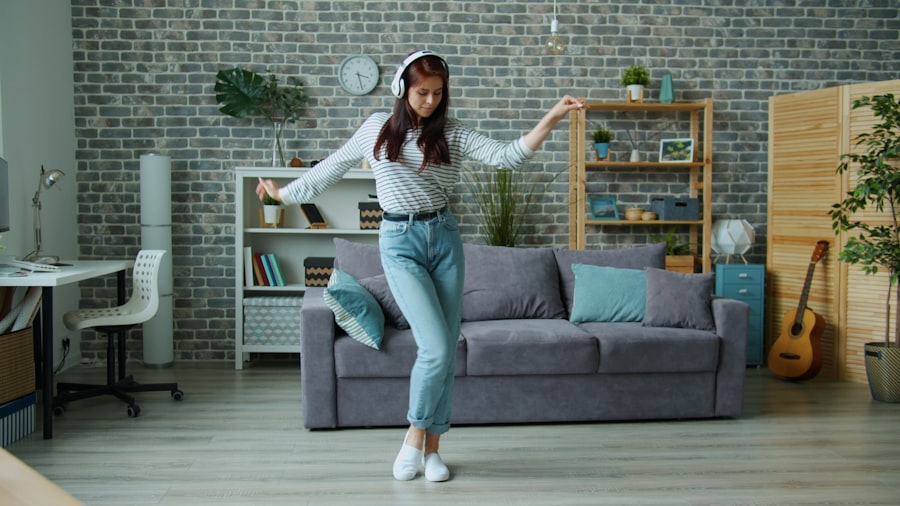
While many traditions embody mindful movement, some specific practices have gained significant traction in the wellness space.
Yoga (and its myriad forms)
Yoga is probably the most well-known example of mindful movement. From gentle Hatha and Restorative yoga, which focus on holding poses and deep stretches, to more dynamic Vinyasa flows that synchronize breath with continuous movement, all forms emphasize awareness.
Hatha and Restorative Yoga
These styles are often slower-paced, with longer holds in poses. The focus here is on alignment, deep breathing, and using props to support the body, allowing for passive stretching and deep relaxation. They are excellent for stress reduction and improving flexibility.
Vinyasa and Ashtanga Yoga
These are more dynamic, characterized by flowing sequences that link poses together with the breath. While more physically demanding, the continuous movement and breath-synchronization demand intense focus, drawing the practitioner into the present moment and creating a meditative experience in motion.
Yin Yoga
Yin yoga targets the connective tissues (ligaments, tendons, fascia) by holding passive poses for extended periods (typically 3-5 minutes or more). This practice requires a deep meditative state to sit with discomfort and observe sensations, truly embodying mindful movement.
Tai Chi and Qigong
These ancient Chinese practices involve slow, flowing movements, deep breathing, and focused intention. They are often described as “meditation in motion” and are renowned for their health benefits, particularly for balance, flexibility, and stress reduction.
Tai Chi Movements
Tai Chi forms consist of a series of gentle, continuous movements that flow from one to the next. The focus is on smooth transitions, maintaining a low center of gravity, and coordinating movement with deep, abdominal breathing. It’s a subtle yet powerful practice for cultivating inner calm and physical strength.
Qigong Exercises
Qigong often involves simpler, repetitive movements than Tai Chi, sometimes focusing on specific organs or energy channels. It aims to cultivate and balance “qi” (life energy) through specific postures, movements, and breathing techniques.
Pilates
While sometimes perceived as purely a strength-building exercise, original Pilates, especially mat Pilates or mindful reformer work, heavily emphasizes precision, control, and breath synchronization. Joseph Pilates himself stressed the importance of the mind-body connection.
Core Principles of Pilates
Pilates is built on principles like centering (focusing on the core), concentration, control, precision, breath, and flow. Each movement is performed with deliberate intention, engaging deep stabilizing muscles and requiring constant attention to form and breath. It’s not about how many reps you do, but how well you execute each one.
Somatic Practices
These practices, like Feldenkrais Method and Alexander Technique, specifically aim to improve body awareness and movement patterns by re-educating the nervous system. They involve gentle, often subtle movements designed to help individuals discover more efficient and comfortable ways to move.
Feldenkrais Method
This method uses guided movement sequences to help people become more aware of their own habitual movement patterns and to explore new, more efficient ways of moving. It’s often done slowly and with a high degree of internal focus.
Alexander Technique
The Alexander Technique focuses on improving posture and movement by identifying and releasing habitual tension patterns, particularly in the neck, back, and shoulders. It teaches individuals how to move with greater ease and less strain, emphasizing conscious awareness in everyday activities.
The Tangible Benefits of Mindful Movement

Beyond feeling good in the moment, regular engagement in mindful movement can lead to a host of concrete improvements in our well-being.
Stress Reduction and Mental Clarity
One of the most immediate and appreciated benefits is its profound effect on stress. By grounding you in the present moment, mindful movement interrupts the cycle of worry and rumination that often accompanies stress. The deep breathing and focused awareness activate the parasympathetic nervous system, the body’s “rest and digest” mode, leading to a calmer mind and a sense of peace.
Lowered Cortisol Levels
Research has shown that practices like yoga and Tai Chi can reduce levels of cortisol, the body’s primary stress hormone. Lower cortisol is linked to better mood, improved sleep, and reduced risk of chronic diseases.
Enhanced Focus and Attention
Regular mindful movement trains your brain to maintain attention and reduce distractions. This improved focus isn’t just confined to your practice; it often translates into other areas of life, from work tasks to personal interactions. It’s like a mental workout for your attention span.
Improved Physical Health and Function
While it might not be about high-impact cardio, mindful movement still delivers significant physical benefits.
Better Flexibility and Range of Motion
The sustained holds and deliberate movements common in practices like yoga and Tai Chi gently lengthen muscles and increase the flexibility of joints, improving overall range of motion and reducing stiffness.
Enhanced Balance and Proprioception
Practices that emphasize slow, controlled movements, especially Tai Chi and certain yoga poses, significantly improve balance. Proprioception, your body’s sense of its position in space, is also sharpened, leading to greater stability and reduced risk of falls, particularly as we age.
Reduced Chronic Pain
Many mindful movement practices can be highly effective in managing and reducing chronic pain, particularly in the back and joints. By improving posture, strengthening supporting muscles, and increasing body awareness, individuals can often identify and alleviate sources of discomfort. The mental aspect of mindfulness also helps redefine one’s relationship with pain.
Emotional Regulation and Self-Compassion
Mindful movement isn’t just about physical and mental states; it significantly impacts our emotional landscape.
Greater Emotional Awareness
By tuning into bodily sensations, we often become more aware of the subtle ways emotions manifest physically. This increased awareness can help us recognize emotional cues earlier and respond more thoughtfully rather than reactively.
Cultivating Self-Acceptance
The non-judgmental aspect of mindful movement encourages a kinder, more accepting attitude towards oneself. Instead of striving for perfection, you learn to appreciate your body and its capabilities as they are, fostering a sense of self-compassion that can extend beyond the practice. This gentle acceptance is a powerful antidote to constant self-criticism.
As more people seek to enhance their well-being through sustainable practices, the trend of small-scale farming has gained significant traction. Engaging in this lifestyle not only promotes physical health through fresh produce but also fosters a deeper connection with nature. For those interested in exploring this wellness trend further, you can read about effective strategies for thriving in small-scale farming by visiting this informative article. Embracing such practices can lead to a more fulfilling and health-conscious life.
How to Incorporate Mindful Movement into Your Life
| Wellness Trend | Statistics |
|---|---|
| Yoga | 30% increase in participation |
| Meditation | 40% of adults have tried it |
| Healthy Eating | 50% of people are more conscious |
| Wellness Apps | 60% increase in downloads |
Ready to give it a try? You don’t need to overhaul your entire routine. Start small and build from there.
Start with Short, Intentional Moments
You don’t need an hour-long class to begin. Try taking 5-10 minutes each day to simply stretch with awareness, noticing each sensation, or doing a few gentle Qigong movements. Even a mindful walk around the block, where you pay attention to your steps, your breath, and the sights and sounds around you, counts.
Mindful Walking
Instead of just getting from point A to B, truly feel each footstep. Notice the weight shift, the contact with the ground, the swing of your arms. Pay attention to your breath, and the sounds and smells around you without judgment.
Desk Stretches with Awareness
If you sit for long periods, take breaks to stretch your neck, shoulders, and wrists. As you do, really tune into the feeling of the stretch, the subtle release of tension, and connect it with your breath.
Explore Different Practices (and don’t be afraid to experiment)
There’s no one-size-fits-all mindful movement practice. What resonates with one person might not with another. Try different yoga styles, look for local Tai Chi classes, or explore resources for Pilates or somatic practices online. The goal is to find something that feels good and sustainable for you.
Online Resources and Apps
There’s a wealth of free and paid content available. YouTube channels dedicated to yoga or Tai Chi, apps like Down Dog, Calm or Headspace (which often include guided mindful movement sessions), or online wellness platforms can be great starting points.
Local Classes and Workshops
If possible, try an in-person class. An experienced instructor can offer personalized guidance and corrections, which can be invaluable, especially when starting out. Many studios offer introductory rates.
Prioritize Consistency Over Intensity
Mindful movement is less about pushing your limits and more about showing up regularly. Even short, consistent practices are more beneficial than sporadic, intense sessions. Aim for a few times a week, and gradually increase as it feels good. The benefit comes from the sustained awareness, not how sweaty you get.
Remember, the “rise” of mindful movement isn’t just a fleeting trend. It’s a genuine shift towards a more integrated, compassionate, and sustainable approach to our physical and mental well-being. It’s about moving with purpose, listening to our bodies, and finding calm in an often chaotic world.
