
So, you’re curious about biometric screening and what it can actually do for your health? Think of it as getting a personalized snapshot of your body’s inner workings. It’s not about complex medical jargon or scary tests; it’s a straightforward way to understand where you stand health-wise and pinpoint areas where you can make a real difference. In a nutshell, biometric screening uses simple measurements to give you valuable insights into your well-being, helping you proactively manage your health and prevent future issues. Let’s dive into what that really means and how you can leverage this power.
At its core, biometric screening is a health assessment process. It’s designed to collect a set of your body’s key physical measurements. This isn’t about guessing or general advice; it’s about data specific to you.
The Common Measurements You’ll See
You’ll typically encounter a few standard tests during a screening. These are chosen because they offer clear indicators of overall health and potential risks.
Blood Pressure Check
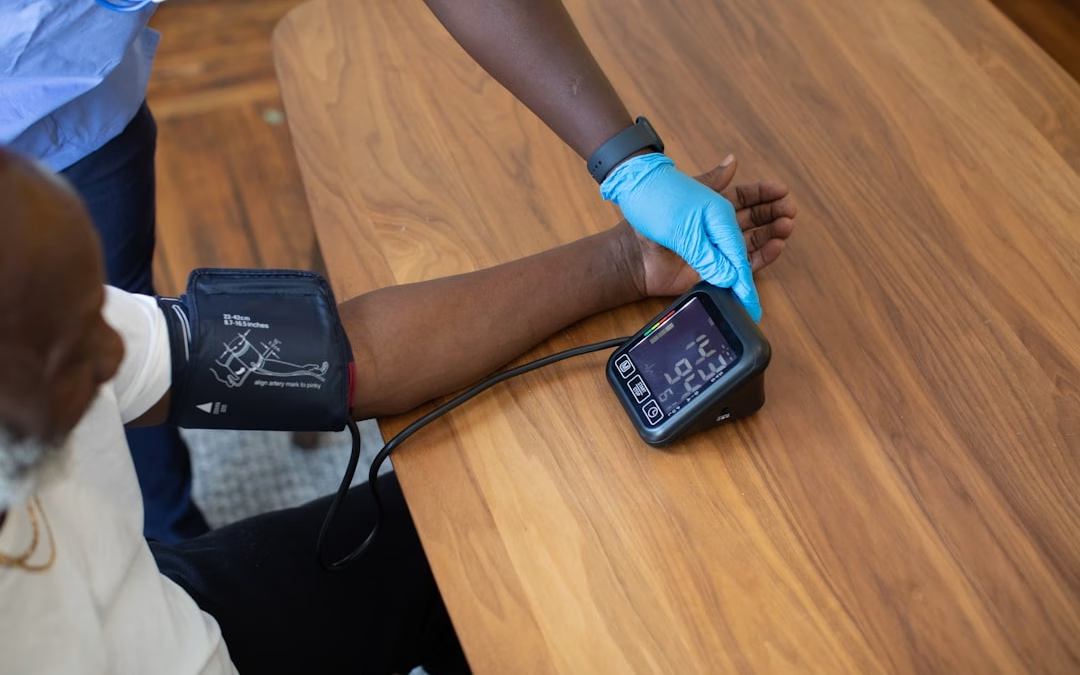
This is a familiar one for many. It measures the force of blood against your artery walls. High blood pressure, often called hypertension, is a major risk factor for heart disease and stroke, but it often has no symptoms. Knowing your number is the first step to managing it.
Cholesterol Levels (Lipid Panel)
A simple blood draw can tell you about your cholesterol. This includes your LDL (the “bad” cholesterol), HDL (the “good” cholesterol), and triglycerides. Imbalances here can contribute to plaque buildup in arteries, increasing your risk of cardiovascular problems.
Blood Glucose Levels
This test checks how much sugar is in your blood. Elevated levels can be an early sign of prediabetes or diabetes. Managing blood sugar is crucial for preventing long-term complications like nerve damage, kidney problems, and vision issues.
Body Mass Index (BMI) and Waist Circumference
These measurements help assess your weight relative to your height and where you carry fat around your midsection. A high BMI and excessive waist circumference are linked to an increased risk of conditions like type 2 diabetes, heart disease, and certain cancers.
Beyond the Basics: What Else Might Be Measured?
While the above are standard, some screenings might go a little deeper, depending on the provider and context.
Body Fat Percentage
This gives a more nuanced view than just BMI, indicating the proportion of fat in your body compared to lean tissue.
Blood Pressure Percentile
Instead of just a number, this can show how your blood pressure compares to others your age and sex, giving a relative risk assessment.
Height and Weight
Seemingly simple, these are the foundation for BMI and other calculations, providing a baseline.
Biometric health screening is an essential aspect of maintaining overall well-being, as it provides valuable insights into an individual’s health metrics. For those interested in a holistic approach to health and lifestyle, exploring sustainable living practices can complement the benefits of biometric screenings. A related article that delves into this topic is available at Embracing the Homesteading Lifestyle: A Guide to Sustainable Living, which offers tips on integrating healthy habits into daily life while promoting environmental sustainability.
Why Should You Bother With Biometric Screening?
You might be thinking, “I feel fine, why do I need a screening?” The truth is, many health issues sneak up on us without obvious symptoms. Biometric screening is your proactive defense system.
Catching Issues Early
This is perhaps the biggest benefit. Many chronic diseases, like diabetes and heart disease, develop over years. By the time symptoms appear, they can be quite advanced and harder to manage. A screening can flag potential problems long before you feel anything is wrong.
The Silent Nature of Chronic Diseases
Diseases like hypertension, high cholesterol, and early-stage diabetes often don’t present noticeable symptoms until significant damage has occurred. This is where early detection through screening becomes invaluable.
Preventing Escalation
Identifying a health risk early allows for interventions – lifestyle changes, dietary adjustments, or medical consultation – that can prevent a condition from progressing to its more serious stages.
Getting Personalized Health Insights
Generic health advice is good, but it’s not always your health advice. Biometric screening provides data points that are unique to you, allowing for more targeted and effective health decisions.
Understanding Your Numbers
Seeing your actual blood pressure, cholesterol, and glucose numbers provides a concrete understanding of your current health status. It’s one thing to know you “should” eat healthy, and another to see how your current habits are reflected in your biometric data.
Tailoring Your Health Goals
Once you have your screening results, you and your doctor can set realistic and achievable health goals based on your specific metrics, rather than broad recommendations.
Empowering You to Take Control
Knowledge is power, and in health, it’s empowering. When you understand what’s going on inside your body, you’re more likely to make the changes needed to improve it.
Moving from Passive to Active Health Management
Instead of waiting for a problem to arise, screenings encourage you to actively participate in maintaining and improving your well-being.
Building Healthy Habits
Seeing the impact of your lifestyle on your biometric numbers can be a powerful motivator to adopt or maintain healthier habits. For example, knowing your cholesterol is high might finally push you to swap that extra slice of cake for an apple more often.
How Biometric Screening Works in Practice
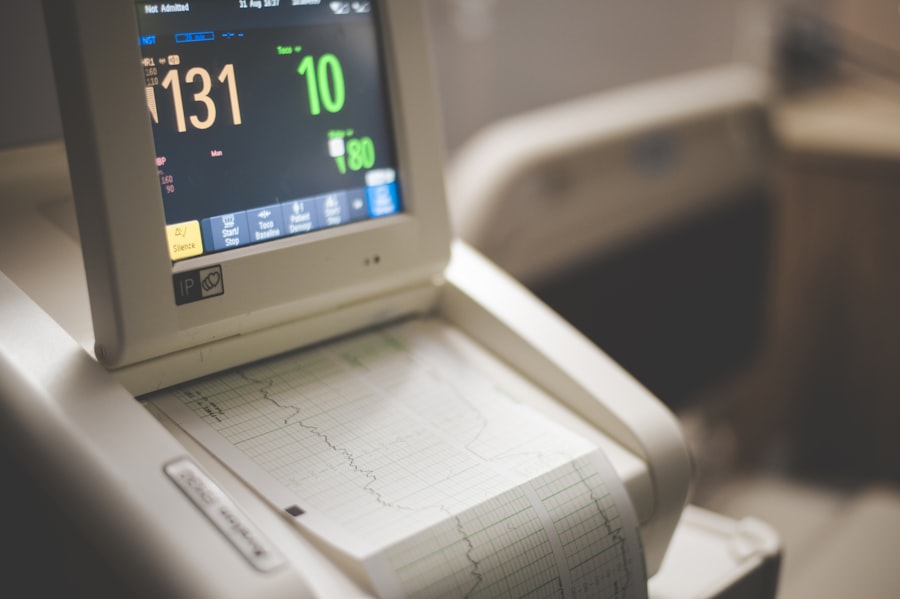
The process itself is generally quite simple and often conducted in convenient settings.
Where Can You Get Screened?
Biometric screenings aren’t usually limited to a doctor’s office, making them accessible in various places.
Workplace Wellness Programs
Many employers offer biometric screenings as part of their employee wellness initiatives. These are often free or subsidized for employees.
Health Fairs and Community Events
Local health organizations and community centers frequently host these events, providing an accessible option for the public.
Pharmacies and Retail Health Clinics
Some pharmacies and retail clinics have expanded their services to include basic health screenings.
Dokter’s Offices
Your primary care physician can also perform these tests during a routine check-up.
The Screening Day Experience
What can you expect on the day of your screening? It’s usually a quick and low-stress affair.
Pre-Screening Instructions
You might be asked to fast for a certain period (usually 8-12 hours) before the blood tests, especially for cholesterol and glucose. This means no food or drinks other than water. You’ll also be advised to avoid strenuous exercise and caffeine before your appointment.
During the Screening
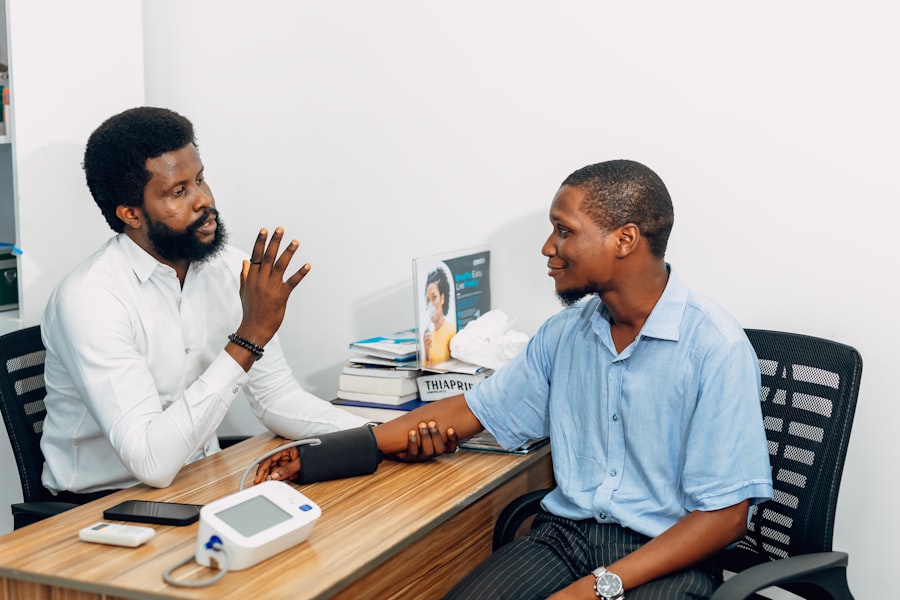
The process typically involves a trained health professional taking your measurements. This will include the blood pressure cuff, the finger prick or venipuncture for blood samples, and measurements for height, weight, and waist circumference. It’s usually quite efficient.
Post-Screening Follow-Up
After the screening, you’ll usually receive a report of your results, either immediately or a few days later.
Understanding Your Results: What Do the Numbers Mean?
Receiving your report is just the first step. The real value comes from understanding what those numbers signify for your health.
Key Metrics and What They Indicate
Let’s break down the common results and what they suggest.
Blood Pressure Readings
- Normal: Generally considered less than 120/80 mmHg.
- Elevated: Systolic between 120-129 mmHg and diastolic less than 80 mmHg. This is a warning sign.
- Hypertension Stage 1: Systolic between 130-139 mmHg or diastolic between 80-89 mmHg.
- Hypertension Stage 2: Systolic 140 mmHg or higher, or diastolic 90 mmHg or higher.
- Hypertensive Crisis: Systolic over 180 mmHg and/or diastolic over 120 mmHg. This requires immediate medical attention.
Cholesterol (Lipid Panel)
- Total Cholesterol: While a number below 200 mg/dL is desirable, your breakdown is more important.
- LDL Cholesterol (Bad Cholesterol): Lower is better. For most people, below 100 mg/dL is ideal, but your doctor will advise based on your risk factors.
- HDL Cholesterol (Good Cholesterol): Higher is better. For men, 40 mg/dL or higher is good; for women, 50 mg/dL or higher.
- Triglycerides: Less than 150 mg/dL is desirable. High levels can increase your risk of heart disease.
Blood Glucose
- Fasting Plasma Glucose (FPG):
- Normal: Below 100 mg/dL.
- Prediabetes: 100 to 125 mg/dL.
- Diabetes: 126 mg/dL or higher.
- Random Plasma Glucose:
- Diabetes: 200 mg/dL or higher, especially if you have symptoms.
BMI and Waist Circumference
- BMI Categories:
- Underweight: Below 18.5
- Normal Weight: 18.5 to 24.9
- Overweight: 25 to 29.9
- Obese: 30 and above
- Waist Circumference: For women, a waist circumference greater than 35 inches can increase risk. For men, it’s greater than 40 inches.
The Importance of Context and Doctor Consultation
It’s crucial to remember that these numbers aren’t diagnostic on their own. They are indicators.
Don’t Self-Diagnose
While you can understand basic ranges, a physician will interpret your results in the context of your personal medical history, family history, age, sex, and lifestyle.
When to See Your Doctor
If your results fall outside the desirable ranges, or if you have any concerns, it’s essential to schedule an appointment with your doctor. They can order further tests if needed and recommend appropriate next steps.
Biometric health screening is becoming increasingly important in today’s health-conscious society, as it provides valuable insights into an individual’s overall well-being. For those interested in enhancing their health through various methods, exploring nutrition and food preservation can also play a significant role. A related article on this topic can be found here: food preservation techniques, which discusses how maintaining the quality of food can contribute to better health outcomes. By understanding both biometric screenings and effective food preservation, individuals can take proactive steps towards a healthier lifestyle.
Making Biometric Screening Work for You: Actionable Steps
| Metrics | Results |
|---|---|
| Body Mass Index (BMI) | 25.3 |
| Blood Pressure | 120/80 mmHg |
| Cholesterol Level | 180 mg/dL |
| Blood Glucose Level | 95 mg/dL |
Getting your screening results is only beneficial if you use the information to make positive changes.
Translating Data into Decisions
Your biometric screening report is a roadmap, not a destination.
Setting Realistic Health Goals
Based on your results, work with your doctor to set specific, measurable, achievable, relevant, and time-bound (SMART) goals. For example, instead of “eat better,” a goal might be “reduce sodium intake by 20% over the next month.”
Creating a Personalized Health Plan
This plan could involve dietary adjustments, an exercise regimen, stress management techniques, or regular follow-up screenings.
The Role of Lifestyle Changes
Often, the most powerful “treatment” for many biometric indicators is lifestyle modification.
Nutrition: Fueling Your Body Right
Making informed dietary choices can significantly impact blood pressure, cholesterol, and blood sugar. Focusing on whole foods, fruits, vegetables, and lean proteins, while limiting processed foods, sugar, and unhealthy fats, is key.
Physical Activity: Moving for Health
Regular exercise can help lower blood pressure, improve cholesterol profiles, aid in weight management, and increase insulin sensitivity. Aim for a combination of aerobic and strength training exercises.
Stress Management: Calming the Inner Storm
Chronic stress can negatively affect your health metrics. Finding healthy ways to manage stress, such as mindfulness, yoga, or spending time in nature, can be beneficial.
The Power of Continued Monitoring
Health isn’t a one-time check-up; it’s an ongoing commitment.
Regular Follow-Up Screenings
If you have any borderline or high readings, your doctor will likely recommend follow-up screenings to monitor your progress and the effectiveness of any interventions.
Tracking Your Progress
By retaking biometric screenings periodically, you can see how your lifestyle changes are impacting your health metrics. This provides valuable feedback and can help you stay motivated.
In essence, biometric screening offers a powerful, accessible way to understand your health from the inside out. It’s not about fear-mongering or rigid medical directives. Instead, it’s about equipping you with personalized information so you can make informed choices, take proactive steps, and ultimately, unlock a healthier future for yourself.
