
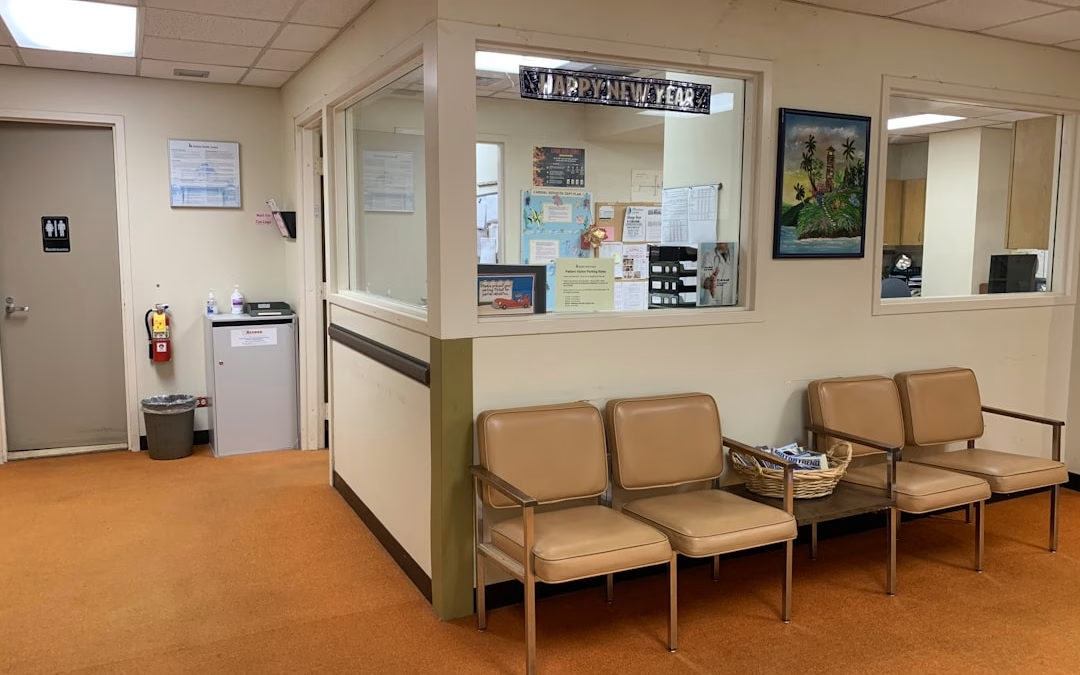
Okay, let’s talk about finding the right clinic – because honestly, it can feel like a bit of a minefield sometimes. We all want good healthcare, and picking the place where you’ll get it is a pretty big decision. So, how do you cut through the noise and land on a clinic that genuinely works for you? It boils down to a bit of research, knowing what matters to you, and trusting your gut.
Knowing What You Need: Your Personal Healthcare Blueprint
Before you even start looking at clinics, take a moment to figure out what you actually need. This isn’t just about what’s wrong right now, but also your long-term health goals and preferences.
Your Health History Matters
Think about your past medical experiences. Have you had ongoing conditions? Do you prefer a specific type of doctor or a particular approach to treatment? If you have, say, a chronic autoimmune condition, a clinic with specialists skilled in that area will likely be higher on your list than a general practice. Similarly, if you’re managing diabetes, you’ll want to ensure the clinic has a strong support system for chronic disease management, perhaps including nutritionists or educators.
What Are Your Priorities? Convenience vs. Specialization
Are you someone who needs a clinic right around the corner because you’re constantly on the go? Or are you willing to travel a bit further for a highly specialized doctor or a clinic known for a particular service? There’s no right or wrong answer here, but it’s a crucial distinction. For example, if you’re a busy parent, a clinic with extended hours or telehealth options might trump one that’s closer but only open 9-5. Conversely, if you’re seeking a rare diagnosis, a renowned specialist clinic, even if geographically inconvenient, might be your best bet.
Looking Ahead: Preventative Care and Long-Term Goals
Don’t just think about immediate problems. What about preventative care, vaccinations, or age-specific screenings? If you’re planning a family, for instance, access to obstetrics or pediatric care might be a consideration. A clinic that’s proactive about wellness and offers comprehensive check-ups or health coaching could be a big plus for your long-term health. Think about whether you prefer a clinic that focuses solely on treating illness or one that has a broader approach to health and wellbeing, incorporating elements like mental health support or lifestyle advice.
For those interested in exploring a holistic approach to health and wellness, you might find the article on off-grid living particularly insightful. It discusses various aspects of self-sufficiency and natural living, which can complement the practices often emphasized in holistic clinics. To read more about this lifestyle and its benefits, visit Unlock the Secrets of an Off-Grid Lifestyle.
Location, Logistics, and Accessibility: The Practical Side
Let’s be honest, even the best doctor is no good if you can’t get to their clinic or access their services easily. This is where practicality comes into play.
Where is it, Exactly? Proximity and Commute
Is the clinic close to your home, work, or your kids’ school? A shorter commute means less stress and a higher likelihood you’ll keep your appointments. Consider public transport links, parking availability, and even traffic patterns at peak times. If you have mobility issues, direct access and minimal walking distances are crucial. Sometimes, a slightly further clinic with better parking is preferable to a closer one where parking is a nightmare.
What Are Their Hours? Fitting Into Your Life
A clinic with hours that align with your schedule is a godsend. Do they offer evening appointments, weekend slots, or even early morning options? For busy professionals or parents, clinics with extended hours can make all the difference. Don’t overlook the importance of these practical considerations; a clinic that’s only open when you’re working might as well be closed.
Getting an Appointment: Wait Times and Booking Systems
How easy is it to get an appointment? Some clinics have notoriously long wait times, especially for new patients or specialist referrals. Call them up and test the waters. Ask about their typical wait times for routine check-ups and urgent issues. Do they have an online booking system, or do you have to call during specific hours? An efficient booking system and reasonable wait times can significantly reduce stress and improve your overall experience. Also, inquire about their policy for urgent or same-day appointments – how do they handle those?
Telehealth Options: Convenience in a Digital Age
In today’s connected world, telehealth is a huge advantage. Does the clinic offer virtual consultations for non-urgent issues, prescription refills, or follow-up appointments? This can save you a trip and a lot of time, especially for minor ailments or if you’re traveling. Understanding their telehealth capabilities can indicate a more modern and patient-focused approach.
Accessibility Considerations: Beyond the Ramp
When we talk about accessibility, we often think of physical access (ramps, elevators). But it goes further. Do they offer services for hearing or visually impaired patients? Are there language interpreters available if English isn’t your first language? Does the clinic use accessible communication methods for appointment reminders or test results? These details are vital for ensuring everyone can receive proper care without unnecessary barriers.
Insurance and Costs: Understanding the Financial Picture
Healthcare costs can be confusing, and unexpected bills are no fun. Getting a clear picture of the financial side upfront can save you a lot of headaches later on.
In-Network vs. Out-of-Network: Your Health Plan Matters
This is probably one of the most critical financial considerations. Does the clinic accept your health insurance plan? Are the doctors you’ll be seeing considered “in-network”? If they’re out-of-network, your out-of-pocket costs could be significantly higher. Always double-check with both the clinic and your insurance provider – don’t just assume. Be specific: ask if the doctors you’re likely to see are in-network, not just the facility itself. Sometimes, the facility is in-network, but the specific specialist you need isn’t.
Understanding Co-pays, Deductibles, and Co-insurance
Beyond just being “in-network,” make sure you understand your specific plan’s details regarding co-pays (the fixed amount you pay at each visit), deductibles (how much you pay before your insurance starts covering costs), and co-insurance (the percentage of costs you pay after your deductible is met). A good clinic will be transparent about expected upfront costs and explain how they process claims. It’s okay to ask for an estimate of costs for common procedures or visits.
Payment Plans and Financial Assistance
What if you don’t have insurance, or you’re facing a high deductible? Does the clinic offer payment plans? Do they have options for financial assistance or a sliding scale fee based on income? These can be vital questions, especially for those managing chronic conditions or facing unexpected medical expenses. A compassionate clinic often has resources or staff dedicated to helping patients navigate these financial hurdles.
Transparency in Billing: No Surprises
Ask about their billing practices. Do they provide clear, itemized bills? Who do you contact if you have a question about a bill? A clinic that is transparent and helpful with billing can significantly reduce financial stress. Look for clinics that are upfront about potential additional costs, such as laboratory fees or specialist referrals, and explain when those might occur.
Clinic Culture and Staff: Beyond the Medical Expertise
Healthcare is deeply personal, and the environment in which you receive it can significantly impact your experience and even your recovery.
First Impressions: What Does it Feel Like?
When you call or visit, what’s your initial impression? Is the staff friendly, welcoming, and organized? Or do you feel like just another number? A clinic that feels chaotic, unwelcoming, or dismissive from the get-go might not be the best fit, regardless of the doctors’ qualifications. Pay attention to how people are treated in the waiting room. Is there an atmosphere of calm and respect, or rushed impatience?
Communication Style: Direct, Empathetic, or Distant?
How do the doctors and nurses communicate? Do they listen attentively to your concerns? Do they explain things in a way you can understand, avoiding jargon? Or do you feel rushed and unheard? Good communication is paramount in healthcare. You want a provider who makes you feel comfortable asking questions and who respects your input in your own care. Consider if you prefer a very direct, no-nonsense approach, or a more empathetic and softer style of communication.
The Support Staff: Nurses, Receptionists, and Beyond
It’s not just the doctors; the entire team contributes to your experience. Are the nurses knowledgeable and approachable? Do the receptionists handle inquiries efficiently and politely? A clinic with strong support staff means smoother operations, fewer headaches, and a more pleasant visit overall. These are the people you often interact with most frequently, so their attitude and competence are crucial.
Patient Reviews and Testimonials: A Glimpse into Real Experiences
Look for online reviews on platforms like Google, Yelp, or even specific healthcare review sites. While you should take individual reviews with a grain of salt (people often review when they’re very happy or very unhappy), patterns can emerge. Are there consistent complaints about wait times, billing issues, or staff attitudes? Or are there recurring praises for specific doctors or the overall atmosphere? These can offer valuable insights into the real-world patient experience. Don’t dismiss negative reviews out of hand, especially if they highlight systemic issues.
Continuity of Care: Seeing the Same Faces
For many, seeing the same doctor or a consistent team is important for building trust and ensuring continuity of care. Does the clinic have a high turnover of staff, or is there a stable team? If you prefer to have a single primary care provider who knows your history inside and out, inquire about this. Some large clinics might rotate doctors, which can be less ideal if you value that long-term relationship.
If you’re interested in exploring sustainable living practices, you might find the article on embracing the homesteading lifestyle particularly insightful. It offers valuable tips on how to incorporate eco-friendly habits into your daily routine, which can greatly benefit your overall well-being. For more information on this topic, you can read the full article here.
Technology and Modern Practices: Efficiency and Engagement
In today’s world, technology plays a huge role in how healthcare is delivered. Modern clinics often leverage tech to improve efficiency, communication, and patient engagement.
Electronic Health Records (EHR): Seamless Information Flow
Does the clinic use an Electronic Health Record (EHR) system? How integrated is it? A robust EHR system allows various providers within the clinic to access your medical history quickly and accurately, which is crucial for coordinated care, especially if you see multiple specialists within the same network. It can prevent duplicate tests and ensure everyone is on the same page regarding your treatment.
Patient Portals: Your Health in Your Hands
A patient portal is a fantastic tool for managing your health. Does the clinic offer one? A good portal allows you to:
- Book and manage appointments: No more waiting on hold.
- Access test results: Often faster than waiting for a call.
- Request prescription refills: Streamlines the process.
- Communicate securely with your care team: For non-urgent questions or concerns.
- View your medical history and summaries: Keeps you informed.
This level of access and self-management can significantly empower you in your healthcare journey.
Digital Communication: Responsive and Secure
How does the clinic communicate with patients beyond physical visits? Do they send appointment reminders via text or email? Do they use secure messaging for sensitive information? A clinic that embraces modern digital communication tools can make your life a lot easier, reducing missed appointments and improving information flow. However, inquire about the security of these platforms – patient confidentiality is paramount.
Up-to-Date Medical Equipment and Practices
While you might not be an expert in medical technology, a clinic that demonstrates a commitment to using modern equipment and staying current with best practices is usually a good sign. This isn’t about chasing every new gadget, but ensuring they have the tools necessary for accurate diagnosis and effective treatment. You can often glean this from their website or by asking during your initial inquiries. They should be able to articulate their approach to evidence-based medicine and continuous learning among their staff.
Choosing a clinic isn’t just about finding a doctor; it’s about finding a healthcare partner that fits your life, your needs, and your values. Take your time, ask questions, and don’t be afraid to trust your instincts. After all, it’s your health we’re talking about.
