

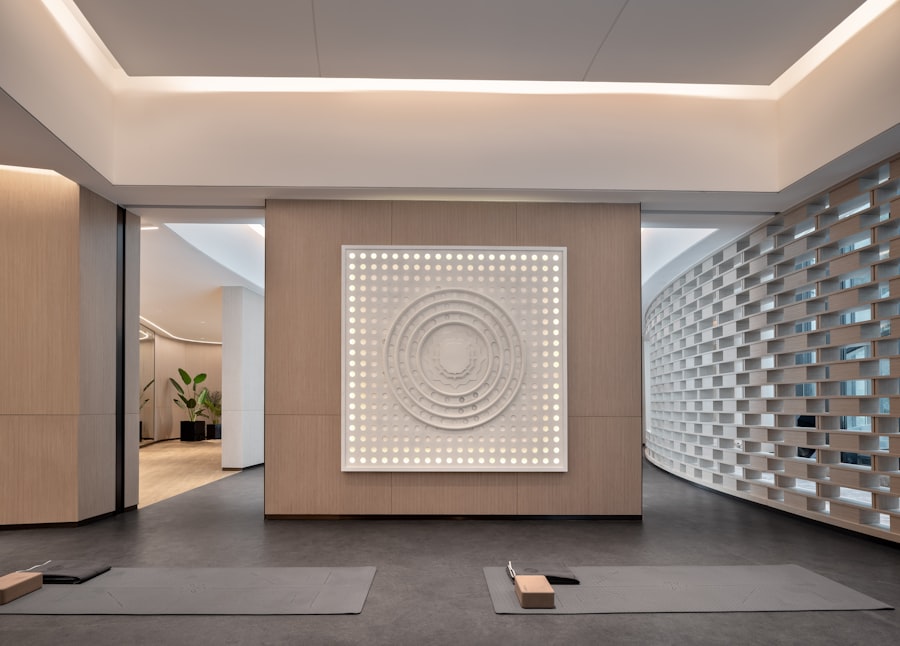
Looking for ways to boost your well-being and feel your best? A wellness center might just be the answer you’re searching for. Think of it as a dedicated space designed to help you nurture your physical, mental, and emotional health, all under one roof. Whether you’re feeling stressed, dealing with aches and pains, or simply want to invest in a healthier lifestyle, a wellness center offers a range of services and approaches to support your journey.
The fundamental benefit of a wellness center lies in its commitment to a holistic view of health. This means they don’t just focus on treating symptoms of illness; instead, they aim to address the root causes of imbalances and empower you to cultivate a sustainable state of well-being. It’s about looking at the whole picture – how your body, mind, and emotions interact, and how external factors like your environment and lifestyle play a role.
Beyond Traditional Medicine
While conventional medicine is excellent for acute conditions and emergencies, a wellness center often offers complementary and alternative approaches. These can delve into areas that might not be fully explored in a standard doctor’s visit, providing a broader spectrum of tools to enhance your health.
- Preventative Care Emphasis: Many wellness centers prioritize preventing illness before it takes hold. This proactive stance can save you discomfort and expense down the line.
- Addressing Lifestyle Factors: They understand that diet, sleep, stress, and social connections significantly impact your health, and they offer guidance and support in these areas.
- Empowerment and Self-Care: The goal is often to equip you with the knowledge and skills to manage your own health effectively, fostering a sense of agency.
For those interested in enhancing their overall wellness through proper nutrition and food management, our wellness center offers a variety of resources and workshops. You may find it beneficial to read our related article on effective food preservation techniques, which can help you maintain the nutritional value of your meals. To explore these techniques further, visit this article.
Mind-Body Connection: Stress Reduction and Mental Clarity
Stress is a pervasive issue in modern life, and its impact on our physical and mental health can be profound. Wellness centers often place a strong emphasis on the interconnectedness of the mind and body, offering strategies to manage stress and cultivate inner peace.
Techniques for Finding Your Calm
A variety of practices are available at wellness centers specifically designed to quiet the mental chatter and reduce the physiological effects of stress.
- Mindfulness and Meditation: Learning to be present in the moment without judgment can dramatically shift your perception of stressors. Guided meditation sessions can make this practice more accessible.
- Yoga and Tai Chi: These ancient disciplines combine physical movement with breathwork and mental focus, promoting relaxation, flexibility, and stress relief.
- Acupuncture and Acupressure: Traditional Eastern medicine techniques that can help rebalance energy flow in the body, often leading to a sense of deep relaxation and reduced anxiety.
- Therapeutic Massage: Beyond just muscle relief, massage can have a profound effect on the nervous system, lowering cortisol levels (the stress hormone) and promoting a sense of calm.
- Breathing Exercises: Simple yet powerful techniques that can quickly calm an overwhelmed nervous system. Learning these from a professional can ensure you’re doing them effectively.
The Impact on Your Daily Life
The ability to manage stress effectively isn’t just about feeling better in the moment; it has ripple effects throughout your life.
- Improved Sleep Quality: Less stress often translates to falling asleep faster and experiencing more restful sleep.
- Enhanced Focus and Concentration: When your mind isn’t racing with worries, you can think more clearly and productively.
- Better Emotional Regulation: Coping mechanisms learned at a wellness center can help you respond to challenges with more composure and resilience.
- Stronger Relationships: Reduced stress can lead to increased patience and improved communication, benefiting your personal connections.
Physical Well-being: Movement and Pain Management

Our physical bodies are our vehicles for experiencing life, and keeping them healthy and functional is paramount. Wellness centers offer diverse avenues to improve physical fitness, manage pain, and enhance overall bodily function.
Moving Your Body with Purpose
Getting regular physical activity is crucial, but sometimes knowing where to start or how to optimize your movement can be challenging.
- Personalized Fitness Programs: Instead of generic gym routines, a wellness center might offer assessments and tailored exercise plans designed to meet your specific goals and physical limitations.
- Specialized Classes: Think beyond the standard boot camp. You might find classes focused on functional movement, corrective exercise, or even gentle mobility for those with chronic pain.
- Physical Therapy and Rehabilitation: For those recovering from injuries or dealing with chronic conditions, expert guidance from physical therapists is invaluable for regaining strength and function.
- Pilates and Core Strengthening: These methods are excellent for improving posture, building a strong foundation, and preventing injuries, which can positively impact everyday activities.
Finding Relief from Discomfort
Chronic pain or recurring injuries can significantly diminish quality of life. Wellness centers often provide a range of therapies aimed at alleviating discomfort and restoring pain-free movement.
- Massage Therapy (Deep Tissue, Sports, Swedish): Different types of massage address various needs, from loosening tight muscles to promoting overall relaxation and circulation.
- Chiropractic Adjustments: Focused on spinal alignment, chiropractic care can alleviate nerve pressure and improve the body’s overall biomechanics.
- Myofascial Release: This technique targets the fascia, the connective tissue that surrounds muscles, to reduce tension and improve range of motion.
- Cupping Therapy: An ancient practice that uses suction to draw blood to the surface of the area being treated, which can help with pain and inflammation relief.
- Stretching and Flexibility Coaching: Learning proper stretching techniques can prevent injuries and improve mobility, making daily tasks easier.
Nutritional Guidance for Optimal Health
What you eat directly fuels your body and influences your energy levels, immune system, and overall health. Wellness centers often recognize the critical role of nutrition and offer personalized support to help you nourish yourself effectively.
Towards a Healthier Plate
Navigating the world of nutrition can be confusing, with conflicting advice everywhere. A wellness center can provide clarity and practical strategies.
- Registered Dietitian Consultations: These professionals can assess your current eating habits, identify nutritional gaps, and help you create a sustainable eating plan tailored to your needs, whether for weight management, energy levels, or specific health conditions.
- Personalized Meal Planning: Moving beyond generic advice, you can receive customized meal ideas and recipes that fit your preferences, dietary restrictions, and lifestyle.
- Food Sensitivity and Allergy Testing: If you suspect certain foods are causing you issues, some centers offer testing to pinpoint sensitivities that might be contributing to digestive problems, fatigue, or inflammation.
- Nutritional Education Workshops: Learn about the science behind different nutrients, how to read food labels, and practical tips for making healthier choices in everyday situations.
- Focus on Whole Foods: The emphasis is typically on incorporating nutrient-dense, unprocessed foods into your diet for maximum health benefits.
The Link Between Food and Feeling Good
The impact of mindful eating extends far beyond simply managing weight.
- Increased Energy Levels: Properly fueling your body ensures you have the sustained energy needed for daily tasks and activities.
- Improved Digestion: A balanced diet can alleviate common digestive issues like bloating, gas, and irregularity.
- Stronger Immune System: Adequate nutrients are essential for a robust immune system, helping your body fight off illness more effectively.
- Better Mood and Mental Clarity: Your gut and brain are closely linked; a healthy diet can positively impact your mood and cognitive function.
- Reduced Inflammation: Certain foods can promote inflammation, while others have anti-inflammatory properties, impacting everything from joint health to chronic disease risk.
At our wellness center, we believe in the importance of cultivating a balanced lifestyle, which is why we encourage our clients to explore various aspects of holistic living. One inspiring resource that aligns with our philosophy is an article that discusses practical ideas for creating an urban homestead. This piece offers valuable insights into sustainable living practices that can enhance well-being. You can read more about it in the article titled Cultivate an Urban Homestead: Practical Ideas to Try, which provides tips on how to integrate nature into your daily life, even in a city setting.
Specialized Therapies for Unique Needs
| Metrics | Value |
|---|---|
| Number of Members | 500 |
| Monthly Revenue | 20,000 |
| Number of Classes Offered | 30 |
| Customer Satisfaction Rate | 95% |
Beyond the more common wellness offerings, many centers provide specialized therapies to address specific health concerns or to explore unique paths to well-being.
Exploring Different Modalities
These therapies often tap into less conventional yet effective approaches to health.
- Craniosacral Therapy: A gentle, hands-on technique that focuses on the membranes and fluid surrounding the brain and spinal cord, aiming to release restrictions and improve overall function.
- Reiki and Energy Healing: Practices that channel universal life force energy to promote relaxation, reduce stress, and support the body’s natural healing process.
- Sound Therapy: Using specific frequencies and vibrations, this therapy can induce deep relaxation, balance energy centers, and alleviate stress.
- Hydrotherapy: The use of water in various forms (baths, saunas, steam rooms) for therapeutic purposes, aiding in detoxification, pain relief, and relaxation.
- Colon Hydrotherapy: A gentle cleansing of the colon to remove waste and toxins, which some believe can improve digestion and overall well-being.
When Standard Approaches Aren’t Enough
These specialized therapies can be particularly beneficial when you’re seeking alternative solutions or complementary support for existing health challenges.
- Complementary Cancer Support: Therapies like acupuncture or massage can help manage side effects of conventional cancer treatments and improve quality of life.
- Chronic Fatigue and Fibromyalgia Support: Specialized approaches can offer relief for pain, fatigue, and other challenging symptoms associated with these conditions.
- Post-Operative Recovery: Therapies like manual lymphatic drainage can aid in reducing swelling and promoting healing after surgery.
- Emotional and Mental Health Support: Beyond traditional therapy, practices like energy healing or sound baths can provide a different avenue for emotional release and balance.
At our wellness center, we believe in the power of holistic approaches to enhance well-being. For those interested in exploring various natural remedies, we recommend checking out a related article that delves into effective strategies for achieving a healthier lifestyle. You can read more about these insights in this informative piece on natural remedies. Embracing these practices can lead to significant improvements in overall health and vitality.
Building a Sustainable Wellness Lifestyle
Perhaps the most significant long-term benefit of engaging with a wellness center is the opportunity to build and maintain a truly sustainable healthy lifestyle. It’s not about quick fixes, but about acquiring habits and knowledge that will serve you for years to come.
More Than Just Visits
The value extends beyond the treatment room sessions to the ongoing support and education you receive.
- Education and Empowerment: Wellness centers aim to educate you about your body, your health, and effective self-care strategies, empowering you to make informed decisions.
- Accountability and Support: Having professionals and a community committed to your well-being can provide the motivation and encouragement needed to stay on track.
- Personalized Guidance: Your journey is unique, and a good wellness center will offer ongoing guidance tailored to your evolving needs and goals.
- Preventative Habits: By understanding the principles of wellness, you can proactively adopt habits that prevent illness and enhance your vitality.
- A Sense of Community: Many wellness centers foster a supportive environment where like-minded individuals can connect, share experiences, and inspire each other.
The Long-Term Payoff
Investing time and resources into a wellness center can yield profound and lasting improvements in your life.
- Increased Longevity and Quality of Life: By proactively managing your health, you increase your chances of living a longer, healthier, and more fulfilling life.
- Reduced Healthcare Costs: A focus on prevention and holistic well-being can often lead to fewer doctor visits and reliance on expensive treatments later in life.
- Greater Resilience: Developing a strong sense of well-being equips you to better handle life’s inevitable challenges and bounce back more effectively from setbacks.
- Enhanced Overall Happiness and Fulfillment: Feeling good physically, mentally, and emotionally naturally leads to a more positive outlook and a greater capacity to enjoy life.
- A Preventative Mindset: You graduate from merely reacting to problems to actively cultivating a state of optimal health, living with more intention and vitality.
