

Let’s talk about postpartum depression (PPD). It’s a common and treatable condition experienced by many new parents, and understanding its signs and knowing where to find support is crucial. If you’re wondering if you or someone you know might be experiencing PPD, this guide is here to offer practical information and a helping hand. It’s important to remember that experiencing these feelings doesn’t mean you’re failing as a parent; it means you’re human, and help is available.
Postpartum depression is more than just the “baby blues.” While the baby blues are quite common, typically appearing a few days after birth and resolving within a couple of weeks, PPD is a more severe and persistent form of depression that can affect individuals following childbirth. It’s a serious mood disorder that can impact your ability to care for yourself and your baby. It’s not a weakness, a character flaw, or something you can just “snap out of.” It’s a complex interplay of biological, psychological, and social factors.
It’s Not Just “Baby Blues”
It’s easy to confuse PPD with the more common “baby blues.” The baby blues are characterized by mood swings, crying spells, anxiety, and difficulty sleeping, generally kicking in within the first week or two after delivery and subsiding on their own. While unpleasant, they are usually short-lived. PPD, on the other hand, lingers and can be much more intense and disruptive, interfering with daily functioning and even your bonding with your baby.
The Science Behind It
The rapid hormonal shifts after childbirth play a significant role. Estrogen and progesterone levels plummet after delivery, which can trigger mood changes. Other contributing factors can include sleep deprivation, the immense physical and emotional demands of caring for a newborn, a history of depression or other mental health conditions, difficult pregnancies or births, or a lack of social support. It’s a real medical condition with physiological causes.
Postpartum depression is a significant concern for many new mothers, and understanding the various factors that can influence mental health during this period is crucial. For those interested in exploring how lifestyle changes, such as moving to a rural area, can impact overall well-being, a related article can be found here: Top Rural Living Essentials for a Comfortable Country Life. This article discusses essential aspects of rural living that may contribute to a more balanced and fulfilling life, potentially alleviating some stressors associated with postpartum challenges.
Recognizing the Signs: More Than Just Sadness
The symptoms of PPD can vary widely from person to person, and they can manifest in ways that might not immediately seem like depression. It’s vital to be aware of these signs, as early recognition is key to getting the right support.
Emotional Symptoms
- Persistent Sadness and Low Mood: A deep sense of sadness that doesn’t lift, even when good things happen. This isn’t just feeling a bit down; it’s a pervasive gloom.
- Loss of Interest or Pleasure: Not finding joy in activities you used to enjoy, including spending time with your baby. This can feel like everything is dull and uninteresting.
- Irritability and Mood Swings: Increased frustration, anger, or feeling easily agitated over small things. This can be accompanied by intense mood fluctuations.
- Feelings of Worthlessness or Guilt: Blaming yourself for things that aren’t your fault or feeling like you’re not a good enough parent. This self-criticism can be relentless.
- Hopelessness: A feeling that things will never get better, even with help. This can be a particularly distressing symptom.
- Anxiety and Panic Attacks: Feeling overwhelmed, restless, and experiencing sudden episodes of intense fear or discomfort. This can be physically debilitating.
- Difficulty Bonding with Your Baby: Feeling detached, distant, or even resentful towards your newborn. This is often a source of extreme guilt for new parents.
Behavioral and Physical Symptoms
- Changes in Appetite: Eating significantly more or less than usual. This can lead to unintended weight gain or loss.
- Sleep Disturbances: Insomnia (difficulty sleeping even when the baby is sleeping) or hypersomnia (sleeping excessively). Sleep deprivation exacerbates other symptoms.
- Fatigue and Low Energy: Feeling constantly exhausted, even after rest. This is beyond normal new-parent tiredness.
- Difficulty Concentrating or Making Decisions: Feeling foggy, forgetful, or unable to focus on tasks. This can make everyday responsibilities feel overwhelming.
- Withdrawal from Social Interaction: Avoiding friends, family, or activities that used to be enjoyable. It can feel like too much effort to engage.
- Physical Aches and Pains: Headaches, stomach problems, or muscle tension that have no clear physical cause.
- Thoughts of Harming Yourself or Your Baby: This is a critical symptom that requires immediate medical attention. If you or someone you know is experiencing these thoughts, please reach out for help without delay.
Postpartum Psychosis: A More Intense Form

While less common than PPD, postpartum psychosis (PPP) is a severe mental health emergency that requires immediate medical intervention. It can develop suddenly and involves a break from reality.
Distinct Symptoms of PPP
- Hallucinations: Seeing, hearing, or feeling things that aren’t there. This can be terrifying and disorienting.
- Delusions: Having strong beliefs that are not based in reality, often paranoid or grandiose.
- Disorganized Thinking and Speech: Difficulty organizing thoughts, confusing speech patterns, or jumping from topic to topic.
- Extreme Mood Swings: Rapid shifts between mania and severe depression.
- Agitation and Restlessness: Feeling intensely uneasy or unable to sit still.
- Incoherent Behavior: Acting in ways that are unusual or don’t make sense to observers.
When to Seek Emergency Help
If you or someone you know exhibits any symptoms of postpartum psychosis, it is crucial to seek immediate medical attention. This includes going to an emergency room or calling emergency services. PPP is a serious condition that can be life-threatening if left untreated, but with prompt and appropriate care, recovery is possible.
Seeking Support: You Are Not Alone
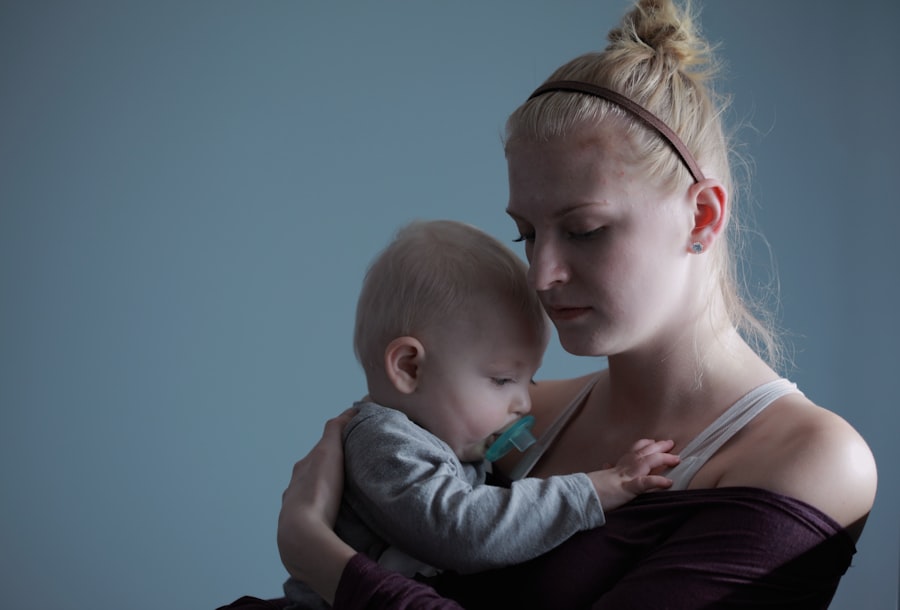
The good news is that postpartum depression is treatable, and seeking help is a sign of strength, not weakness. There are many avenues for support, and finding the right combination for you is key.
Talking to Your Healthcare Provider
Your OB-GYN or midwife is often the first and most important point of contact. They can screen you for PPD, offer advice, and refer you to specialists. Don’t hesitate to be honest about how you’re feeling, even if it’s difficult to articulate. They are there to help you navigate this challenging period.
Therapy and Counseling
Psychotherapy, also known as talk therapy, is a cornerstone of PPD treatment. Therapies like Cognitive Behavioral Therapy (CBT) and Interpersonal Therapy (IPT) can be very effective in helping you identify and challenge negative thought patterns and develop coping mechanisms. A therapist can provide a safe and confidential space to explore your feelings.
Medication Options
In some cases, antidepressant medication may be recommended by your doctor. These medications can help rebalance the brain chemistry that contributes to depression. It’s important to discuss any concerns about medication, including breastfeeding, with your healthcare provider. They can help you weigh the risks and benefits.
Support Groups
Connecting with other new parents who have experienced similar challenges can be incredibly validating and empowering. Postpartum support groups offer a sense of community, understanding, and shared experience. Hearing from others who have navigated PPD and come out on the other side can offer hope and practical advice.
Leveraging Your Existing Network
Don’t underestimate the power of your existing support system. Talk to your partner, trusted family members, or close friends about what you’re going through. They may not be able to “fix” it, but their emotional support, practical help with chores, or simply a listening ear can make a significant difference.
Postpartum depression is a significant concern for many new mothers, and understanding its impact can be crucial for recovery. For those interested in exploring holistic approaches to mental well-being, a related article discusses various strategies for sustainable living that can enhance overall health and wellness. You can read more about these practices in the article on embracing the homesteading lifestyle, which offers insights into nurturing both the body and mind. For further details, visit this guide.
Practical Tips for Managing Postpartum Depression
| Metrics | Data |
|---|---|
| Prevalence | 10-15% of new mothers |
| Onset | Within the first 4 weeks after giving birth |
| Symptoms | Feelings of sadness, anxiety, and exhaustion |
| Treatment | Therapy, medication, and support groups |
| Risk factors | History of depression, hormonal changes, and lack of support |
Beyond professional support, there are practical strategies you can implement in your daily life to help manage PPD symptoms and promote well-being. These are not cures, but they can be valuable tools in your recovery journey.
Prioritizing Self-Care (Even Small Bits Count)
This is often the first thing to go when you become a parent, but it’s crucial. Self-care doesn’t need to be grand gestures.
- Short Breaks: Even 5-10 minutes to yourself to drink a cup of tea, listen to music, or step outside for fresh air can be beneficial.
- Nourishment: Try to eat regular, balanced meals. If cooking feels overwhelming, accept offers of food from friends and family or opt for simple, healthy pre-prepared options.
- Hydration: Keep a water bottle handy and sip throughout the day.
- Gentle Movement: If you feel up to it, a short walk or some light stretching can boost your mood. Even just standing outside for a few minutes can help.
The Importance of Sleep Hygiene
While perfect sleep is a fantasy with a newborn, optimizing what sleep you do get is vital.
- Sleep When the Baby Sleeps: This is a classic piece of advice for a reason. Don’t worry about the chores; prioritize rest.
- Ask for Help with Night Feedings: If you have a partner or supportive family member, delegate night duties when possible to ensure you get longer stretches of sleep.
- Create a Relaxing Bedtime Routine: Even a short one, like reading a few pages of a book or listening to calming music, can signal to your body that it’s time to wind down. Avoid screens before bed.
Setting Realistic Expectations
The transition to parenthood is immensely challenging, and it’s okay not to be perfect.
- Lower Your Standards: The house doesn’t need to be spotless, and you don’t need to be a super-parent. Focus on the essentials: feeding and comforting your baby, and taking care of yourself.
- Accept Help: If someone offers to help with laundry, meal prep, or watching the baby so you can shower, say yes! People genuinely want to support you.
- Communicate Your Needs: Be as specific as possible with your partner or support network about what you need. “I need an hour to take a nap” is more helpful than “I’m so tired.”
Connecting with Your Baby (When You Feel Ready)
It’s understandable to feel disconnected when you’re struggling with PPD. Release the pressure to feel instant, overwhelming love.
- Small Moments: Focus on small, positive interactions. Holding your baby, singing a lullaby, or simply observing them can help build connection over time.
- Skin-to-Skin Contact: This can be beneficial for both you and your baby and can promote bonding hormones.
- Don’t Force It: If you’re feeling overwhelmed, it’s okay to step away for a short period (ensuring the baby is safe, of course) and ask for help from your partner or another caregiver.
Postpartum depression is a significant concern for many new mothers, and understanding its impact can be crucial for recovery. For those interested in holistic approaches to mental health, a related article discusses practical ideas for cultivating an urban homestead, which can provide a therapeutic outlet and a sense of accomplishment. Engaging with nature and growing your own food may help alleviate some symptoms of postpartum depression. You can read more about these practical ideas in the article here.
The Role of Partners and Support Systems
Postpartum depression doesn’t just affect the birthing parent; it can deeply impact partners and the entire family dynamic. Recognizing signs and offering support is crucial.
What Partners Can Do
- Educate Yourselves: Understand the signs and symptoms of PPD. This guide is a good starting point.
- Encourage Professional Help: Gently encourage your partner to see a doctor or therapist. Offer to go with them to appointments.
- Take On More Responsibilities: Share the load of childcare, household chores, and meal preparation. Allow your partner to rest and recuperate.
- Practice Patience and Empathy: Remember that your partner is struggling. Avoid judgment and offer consistent emotional support.
- Communicate Openly: Create a safe space for your partner to express their feelings without fear of criticism.
- Self-Care for Partners Too: It’s a demanding time for everyone. Ensure you’re also taking care of your own well-being.
Supporting Friends and Family
If you suspect a friend or family member is struggling with PPD:
- Reach Out Regularly: A simple text or call can mean a lot. Let them know you’re thinking of them.
- Offer Specific Help: Instead of saying “Let me know if you need anything,” offer concrete assistance like bringing a meal, doing their grocery shopping, or watching the baby for an hour.
- Listen Without Judgment: Be a good listener and validate their feelings. Avoid offering unsolicited advice unless it’s about seeking professional help.
- Suggest Professional Support: Gently suggest they talk to their doctor about how they’re feeling.
- Be Patient: Recovery takes time. Continue to offer your support even if progress seems slow.
Experiencing postpartum depression is a challenging but common part of the postpartum journey for many. By understanding the signs, knowing where to seek help, and leaning on your support network, you can navigate this period and work towards healing. Remember, asking for help is a sign of strength, and you deserve to feel well.
