
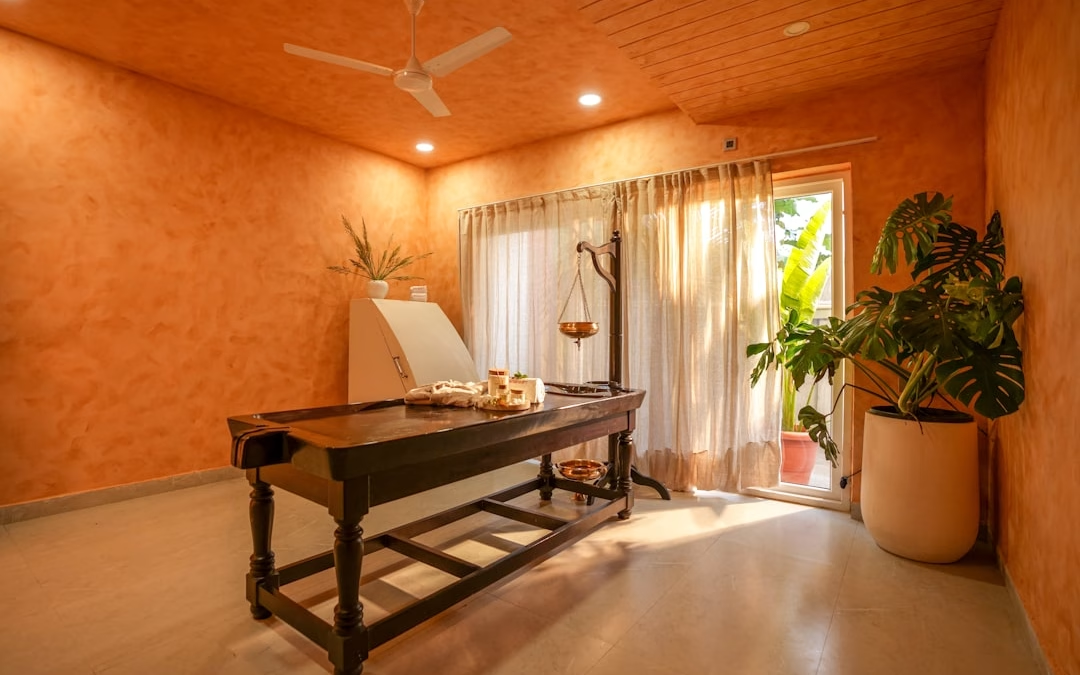
Let’s talk about finding a holistic wellness center near you. If you’re curious about exploring treatments that look at your whole self – mind, body, and spirit – and want to know how to find a good place to start, you’re in the right spot. Forget the jargon for a moment; we’re going to break down what to look for and how to navigate the world of holistic care in a way that actually makes sense for your everyday life.
Think of it this way: instead of just treating a symptom, a holistic wellness center aims to understand why that symptom is there in the first place. They’re not necessarily trying to replace your doctor, but rather to complement conventional medicine by looking at the bigger picture of your well-being. This means they’ll consider things like your stress levels, diet, sleep patterns, emotional health, and even your environment, alongside any physical ailments you might have. The goal is to help you achieve a deeper sense of balance and vitality.
Beyond the Quick Fix
Many traditional approaches focus on addressing immediate problems. If you have a headache, you might take a pain reliever. Holistic wellness takes a step back. It asks, “Why am I getting headaches?” Is it lack of sleep? Dehydration? Stress? Poor posture? A food sensitivity? By exploring these underlying factors, these centers aim to foster sustainable wellness, not just temporary relief.
A Spectrum of Services
Holistic centers aren’t one-size-fits-all. You’ll find a variety of practices under their umbrella. This can include things like acupuncture, massage therapy, yoga, meditation, nutritional counseling, herbalism, energy healing modalities (like Reiki), chiropractic care, and even mental health support integrated with these other practices. The key is that they all tend to operate with the philosophy of treating the whole person.
If you’re interested in exploring holistic health options, you might find it beneficial to read about essential tips for rural living that can enhance your overall well-being. For more insights on creating a comfortable and balanced lifestyle, check out this related article on top rural living essentials for a comfortable country life at Holistic Health Bundles. This resource offers valuable information that complements the services provided by holistic centers, helping you to integrate wellness into your daily routine.
Finding Your Local Haven: The Initial Search
So, you’re ready to explore. The first hurdle is often just figuring out where to start looking. Thankfully, in most areas, there are options, you just need to know how to find them.
Keywords for Your Search Engine
When you fire up your preferred search engine, don’t just type “wellness center.” Dig a little deeper. Try combinations like:
- “Holistic health clinic [your city/zip code]”
- “Integrative medicine center near me”
- “Alternative therapy practitioner [your area]”
- “Wellness studio [your town]”
- “Natural health practitioners [your neighborhood]”
Adding terms like “stress relief,” “pain management,” or “mindfulness” might also help if you have specific concerns you want to address.
Asking Around: The Power of Word-of-Mouth
Don’t underestimate the value of recommendations. Have friends, family, or even colleagues mentioned places they’ve had good experiences? A personal referral can be incredibly valuable because it often comes with an honest assessment of what the center is like and whether it might be a good fit for you. Even if they don’t go to a strictly “holistic” center, they might know practitioners who offer holistic approaches within a more conventional setting.
Online Directories and Review Sites
There are numerous online platforms dedicated to listing health and wellness practitioners. Websites for specific modalities (like acupuncture associations, massage therapy guilds) often have directories. General review sites can also be helpful, though it’s important to read reviews critically. Look for patterns in what people say about the practitioners, the environment, and the overall experience.
What to Look For in a Holistic Center: Beyond the Buzzwords

Okay, you’ve found a few potential places. Now, how do you sift through them to find one that truly resonates with you and meets your needs? It’s not just about a pretty website; it’s about substance.
Practitioner Qualifications and Experience
This is non-negotiable. You want to know that the people working with you are properly trained and have experience in their respective fields.
Credentials Matter
Look for certifications, licenses, and degrees. For example, if you’re interested in acupuncture, is the practitioner licensed? If it’s nutritional counseling, do they have a registered dietitian or nutritionist credential? For massage therapy, check for licensed massage therapists (LMTs). Don’t be shy about asking what their training involves.
How Long Have They Been Practicing?
While newer practitioners can be excellent, experience often brings a deeper understanding and a more refined approach. Consider how long the center or individual practitioners have been offering services.
The Philosophy and Approach: Does it Align with You?
Every holistic center, and every practitioner within it, will have a slightly different take on wellness. It’s important to find a philosophy that makes sense to you and feels encouraging.
Understanding Their Core Beliefs
Do they emphasize preventative care? Is their approach focused on empowering you to take an active role in your health? Do they integrate different modalities, or specialize in one? Reading their “About Us” page or mission statement can give you a good initial sense.
Client-Centered vs. Practitioner-Led
A good holistic approach often involves collaboration. Do they seem like they’re going to listen to your concerns and tailor treatments to your specific situation, or is it more of a one-size-fits-all approach dictated by the practitioner?
The “Vibe” of the Place: Creating a Safe Space
The physical environment and the general atmosphere of a wellness center are surprisingly important. You need to feel comfortable and at ease.
First Impressions Count
When you call or visit, pay attention to how you’re greeted. Is the staff friendly and helpful? Is the space clean, organized, and does it feel calming? A chaotic or unwelcoming environment can detract from the healing process.
Does it Feel Like a Sanctuary?
For many, a holistic center is a place to de-stress and focus on themselves. Does it look and feel like a place where you can truly relax and disconnect from the outside world for a while? Soft lighting, pleasant scents, and uncluttered spaces often contribute to this feeling.
What Treatments Will You Find? A Deeper Dive

Holistic wellness centers offer a broad range of services. It’s helpful to understand what some of the common ones entail, so you have a clearer idea of what might be available and beneficial for you.
Bodywork Therapies: Releasing Physical Tension
Massage is probably the most well-known, but bodywork encompasses a few different approaches to address physical tension, improve circulation, and promote relaxation.
Massage Therapy: More Than Just Relaxation
From Swedish massage for general relaxation to deeper tissue work for chronic muscle pain, there are various styles. Many holistic centers offer specialized massages that might incorporate aromatherapy, hot stones, or lymphatic drainage techniques to further enhance the benefits.
Chiropractic Care: Spinal Alignment and Beyond
While often thought of for back pain, chiropractic adjustments can address the relationship between the spine and the nervous system, potentially impacting overall health. Some chiropractors also incorporate nutritional advice and lifestyle recommendations.
Mind-Body Practices: Connecting Inner and Outer Worlds
These practices focus on the intricate connection between our thoughts, emotions, and physical health.
Acupuncture and Traditional Chinese Medicine (TCM)
Acupuncture involves inserting fine needles into specific points on the body to stimulate energy flow (Qi) and promote healing. TCM also includes herbal remedies, dietary therapy, and other practices aimed at balancing the body’s energies.
Yoga and Meditation: Cultivating Calm and Strength
These practices are widely recognized for their benefits in reducing stress, improving flexibility and strength, and increasing mindfulness. Many centers offer various yoga styles, from gentle restorative classes to more vigorous vinyasa flows, and a range of meditation techniques.
Nutritional and Herbal Support: Nourishing from Within
What you consume has a profound impact on your physical and mental well-being.
Nutritional Counseling: Personalized Guidance
A good nutritionist or dietitian can help you understand your dietary needs and create a sustainable eating plan that supports your health goals. This might involve identifying food sensitivities, balancing macronutrients, or incorporating more nutrient-dense foods.
Herbalism: Nature’s Pharmacy
Herbalists use plants and plant-based preparations to support health and address various conditions. This can range from general immune support to remedies for digestive issues or sleep disturbances. It’s important to note that herbal medicine should ideally be guided by a qualified practitioner, especially if you have existing health conditions or are taking medications.
Energy Healing Modalities: Subtle but Powerful
These practices work with the body’s subtle energy fields.
Reiki and Other Energy Therapies
Reiki is a Japanese technique for stress reduction and relaxation that also promotes healing. Practitioners channel “universal life energy” through their hands. Other forms of energy work might aim to clear blockages or rebalance the body’s energy centers. While often met with skepticism by some, many people report profound feelings of relaxation and well-being from these sessions.
If you’re exploring options for a holistic center near you, you might find it beneficial to read about sustainable living practices. A related article that delves into this topic is Embracing the Homesteading Lifestyle: A Guide to Sustainable Living, which offers insights into how holistic approaches can be integrated into everyday life. This guide not only highlights the importance of sustainability but also emphasizes the connection between personal well-being and the environment, making it a valuable resource for anyone interested in holistic health.
Making the Most of Your First Visit: What to Expect and How to Prepare
| Center Name | Location | Services | Phone Number |
|---|---|---|---|
| Inner Peace Holistic Center | 123 Main Street, Anytown, USA | Yoga, Meditation, Reiki | 555-123-4567 |
| Harmony Wellness Center | 456 Elm Street, Othertown, USA | Acupuncture, Massage, Herbal Medicine | 555-987-6543 |
| Serenity Holistic Healing | 789 Oak Street, Anycity, USA | Energy Healing, Sound Therapy, Aromatherapy | 555-789-0123 |
You’ve booked your appointment! Now, what’s next? Being prepared can help you get the most out of your initial experience.
The Initial Consultation: More Than Just Paperwork
Most holistic centers will begin with a thorough consultation. This is your opportunity to really voice your concerns and for them to gather information.
Be Open and Honest
Share everything that feels relevant. Don’t hold back on symptoms, lifestyle habits, or even your worries. The more information you provide, the better they can understand your situation.
What Questions Will They Ask?
Expect questions about your medical history, current health concerns, diet, sleep, stress levels, exercise habits, and emotional well-being. They are building a complete picture.
Prepare Your Own Questions
Don’t forget, this is a two-way street. Have your own questions ready. Ask about the practitioner’s approach, what to expect from the treatment, the number of sessions they anticipate, and any homework or lifestyle changes they might recommend.
Clarifying Treatment Plans and Goals
After the consultation, they’ll likely propose a treatment plan. It’s crucial to understand this clearly.
Discuss Realistic Expectations
What are the potential outcomes of the treatment? Are there specific goals you’re working towards together? Understanding this helps manage expectations and track progress.
What About Costs and Scheduling?
Don’t hesitate to discuss the financial aspects and the recommended frequency of sessions. Is it a one-time treatment, a series, or an ongoing wellness program?
Integrating with Conventional Medicine
It’s important to remember that holistic care can often work alongside your existing medical treatments.
Inform Your Doctors
It’s generally a good idea to let your primary care physician or any specialists you see know about the holistic therapies you’re exploring. They can provide valuable insights and ensure that the different approaches are complementary and safe.
Where Does it Fit In?
Holistic centers aren’t about replacing your doctor. They are about adding tools to your wellness toolbox and addressing aspects of your health that might be overlooked in a more conventional setting.
If you’re interested in exploring holistic health options near you, you might find it beneficial to read about organic gardening techniques that can enhance your well-being. This article discusses various methods to cultivate a thriving garden while promoting a sustainable lifestyle. You can learn more about these practices and how they can contribute to your holistic journey by visiting this insightful piece on organic gardening techniques here. Embracing these techniques not only nurtures your garden but also fosters a deeper connection with nature, which is a core principle of holistic health.
Maintaining Your Wellness Journey: Beyond the Center
The work doesn’t stop when you leave the center. True holistic wellness is about integrating practices into your daily life.
Lifestyle Adjustments: Small Changes, Big Impact
The recommendations you receive might involve simple, yet powerful, shifts in your daily habits.
Diet and Hydration
This could mean adding more whole foods, reducing processed items, or ensuring you’re drinking enough water. Simple, sustainable changes are key.
Sleep Hygiene and Stress Management
Improving sleep quality and developing effective strategies to manage stress are cornerstones of holistic health. This might involve setting a regular sleep schedule, practicing relaxation techniques, or incorporating mindfulness into your day.
Consistent Self-Care Practices: Making it a Habit
Finding what works for you and making it a regular part of your routine is where lasting change happens.
Movement and Exercise
This doesn’t have to mean intense gym sessions. It could be daily walks, gentle stretching, or engaging in activities you enjoy that keep your body moving.
Mindfulness and Emotional Well-being
Regularly checking in with yourself, practicing gratitude, or journaling can significantly contribute to emotional balance.
The Importance of Patience and Consistency
Holistic healing is often a journey, not a sprint. Progress might be subtle, and it’s important to be patient with yourself. Consistent effort over time is what typically yields the most profound and lasting results.
Finding a holistic wellness center near you is an exciting step toward a more comprehensive approach to your well-being. By understanding what to look for, asking the right questions, and being prepared to engage actively in your own care, you can discover a supportive environment that helps you thrive. Remember, it’s about finding what resonates with you and creating a personalized path to a healthier, more balanced life.
