
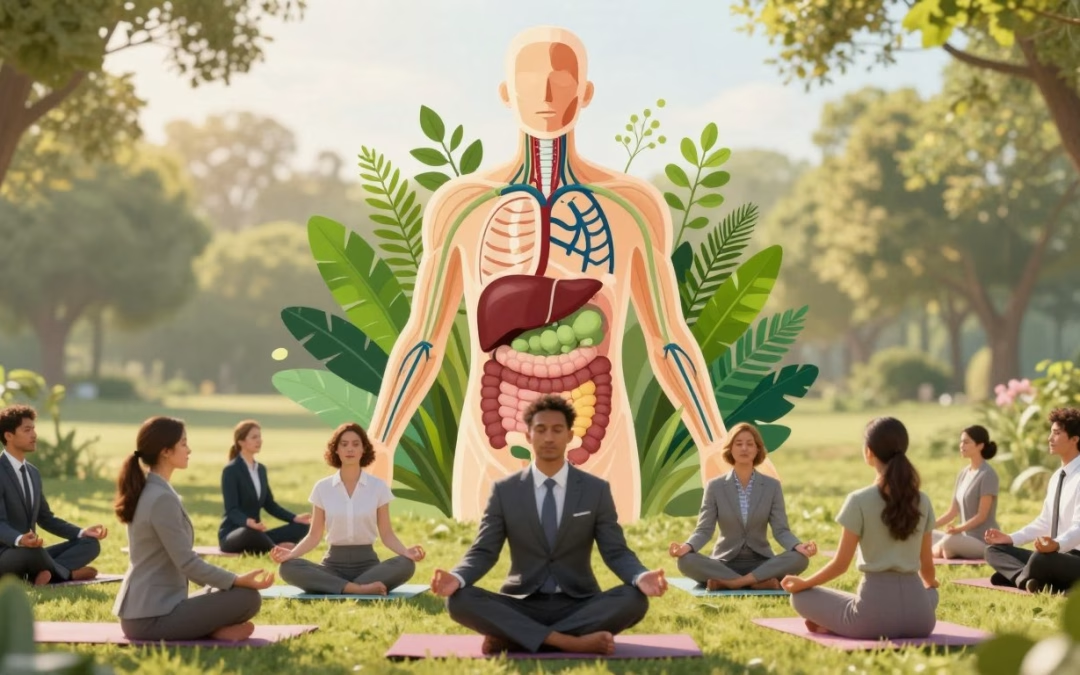
I recently spoke with a patient, let’s call her Sarah. She felt overwhelmed by the endless ads for juice cleanses and supplement regimens promising a “total body reset.” Like many, she believed she needed a special product to feel clean and healthy.
What I shared with Sarah is a fundamental truth. As Emily Gelsomin, MLA, RD, LDN, emphasizes, your body has built-in detoxification centers. It naturally transforms toxins into compounds for disposal every single day.
Your liver, gut, and other systems work together in a continuous process. They don’t need a dramatic overhaul. Instead, they thrive on consistent, supportive care.
My goal is to cut through the noise. I want to empower you with knowledge about how your own physiology works. This is the first step toward making choices that genuinely enhance your long-term health.
Key Takeaways
- Your body possesses a sophisticated, natural system for cleansing itself.
- Internal organs like the liver and gut work daily to process and eliminate toxins.
- Supporting your body’s innate processes is more effective than short-term cleanses.
- Building sustainable habits is key to maintaining internal balance and vitality.
- Learn to distinguish between science-backed practices and misleading wellness trends.
- True health comes from assisting your body’s wisdom, not fighting against it.
Understanding the Body’s Natural Detoxification Process
The human body is equipped with an elegant, multi-phase system for neutralizing harmful compounds. Your liver, kidneys, skin, and colon work as primary cleansing centers. They manage a constant flow of substances we encounter daily.
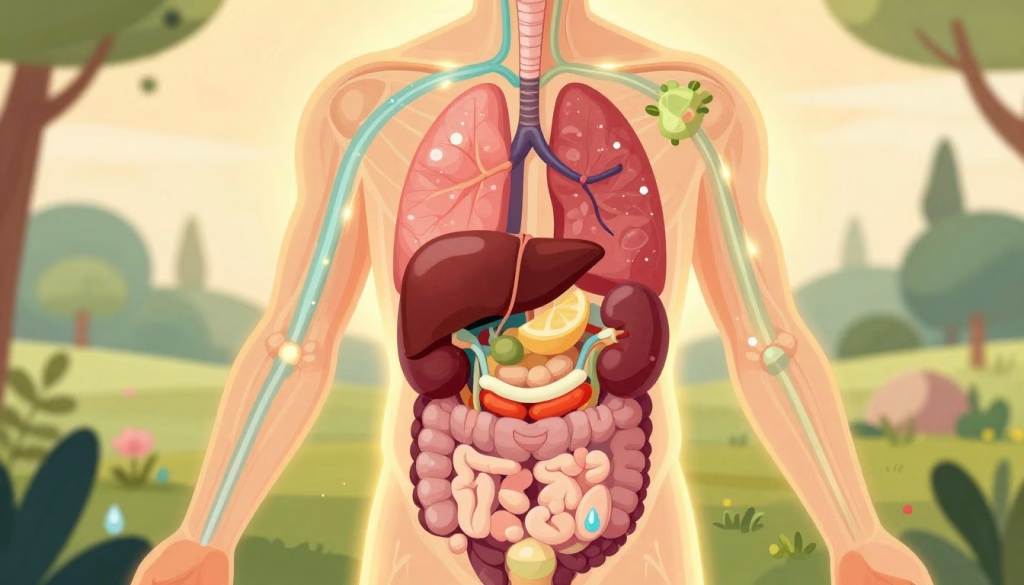
This internal process is sophisticated and continuous. It doesn’t require extreme measures. Instead, it thrives on consistent support.
Phase I: Enzymatic Transformation in the Liver
The liver acts as the main filter. It uses cytochrome P450 enzymes to transform fat-soluble toxins. This creates intermediate products that are often more reactive.
This step prepares compounds for the next phase. It’s a crucial first line of defense.
Phase II: Conjugation and Nutrient Support
Here, the body attaches specific nutrients to the intermediates. This is called conjugation. It makes toxins water-soluble.
These water-soluble compounds are then ready for your kidneys to excrete. Proper nutrient intake is vital for this phase. Certain foods and supplements can provide key support.
Phase III: Gut Transport and Excretion
Phase III relies on transport proteins like P-glycoprotein. These proteins move unwanted compounds out of cells and into the gut.
Final elimination happens through the bowel. A healthy gut microbiome is essential here. It helps the body efficiently remove waste.
| Phase | Key Components | Primary Outcome |
|---|---|---|
| Phase I | Cytochrome P450 enzymes | Transforms toxins into intermediate products |
| Phase II | Conjugation nutrients (e.g., glutathione) | Makes toxins water-soluble for kidney excretion |
| Phase III | P-glycoprotein transport proteins | Moves compounds into gut for final elimination |
Research shows a significant daily burden. Women are exposed to about 168 toxicants, men to 85. This load can challenge your natural detox system.
When this process is impaired, patients might notice issues. These can include skin rashes, bad breath, or difficulty with weight. Many factors, like genetics and diet, influence how well your liver and kidneys work.
Understanding these phases empowers you. You can make choices that support your long-term health and enhance your body’s innate detox capabilities.
Nutrition and Lifestyle Strategies for Effective Detox
A common question in my practice is how to use everyday diet and habits to enhance internal wellness. The most powerful approach is to support your body with consistent, simple choices.
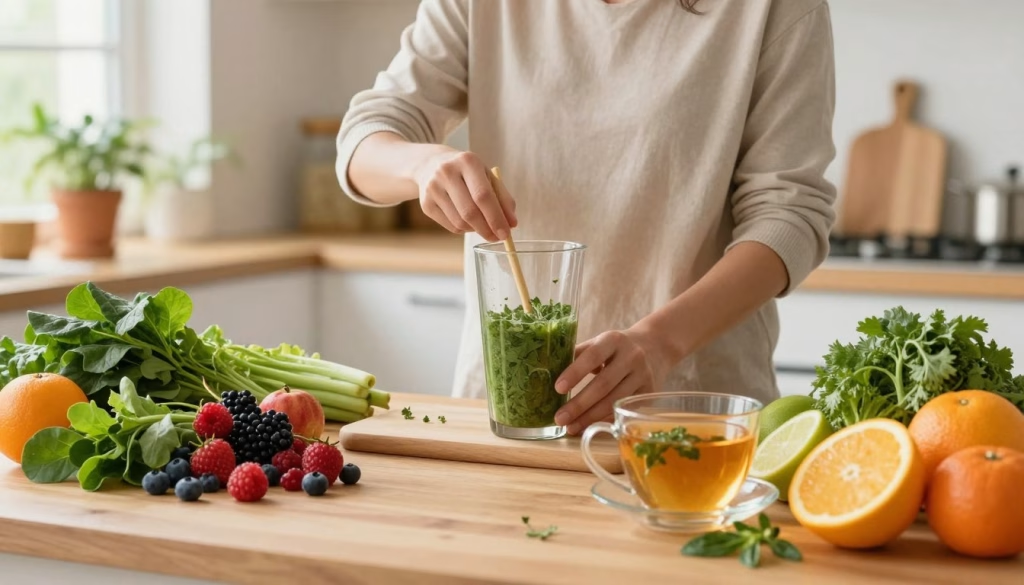
These lifestyle changes work with your natural detox processes, not against them.
Dietary Adjustments: Fiber, Cruciferous Vegetables, and Hydration
What you eat directly fuels your body‘s ability to handle toxins. Fiber-rich foods like beans bind to unwanted compounds in the gut.
This helps carry them out through the bowel. Emily Gelsomin, RD, highlights sulfur-rich food like garlic and onions.
They help your liver produce natural chemical detoxifiers. Cruciferous vegetables are another key part of a supportive diet.
Broccoli provides glucosinolates that assist detoxification. Don’t forget water.
Proper hydration is crucial for kidneys to filter waste. Men need about 4 liters per day, women about 3.
Everyday Habits: Exercise, Sleep, and Stress Reduction
Your daily routine is just as important. Regular exercise jumpstarts metabolism and helps process waste.
Aim for 30 minutes of movement. Quality sleep is non-negotiable for health.
Your body does critical repair and cleansing work during 7-9 hours of rest. Finally, managing stress is vital.
High stress can hurt your digestion and overall wellness. For a deeper dive into these practical strategies, explore trusted resources.
Embracing Optimal Detoxification Methods in Your Daily Routine
Programs like ‘Be Fit’ at Massachusetts General Hospital show us a practical model for sustainable change. It supports employees in making personal lifestyle changes that fit into their existing schedules.
This approach proves that enhancing your body‘s natural processes doesn’t require a disruptive program. You can weave supportive habits into your day.
Integrating Natural Detox Practices into a Busy Schedule
Start by assessing your environment. You can reduce your exposure to common toxins by swapping household cleaners and beauty products.
Choose items made with natural, non-toxic ingredients. This simple switch lessens the burden on your skin and internal system.
Consistent daily activity is another powerful tool. Even short bursts of movement, like a brisk walk, help your body maintain the momentum needed to process waste.
I encourage my patients to view this as a daily commitment to their health. Think of it as supporting your liver and gut with every meal and choice.
By making small, manageable changes, you create a sustainable environment. Your body can then thrive and perform its natural functions. This is one of the most effective ways to support long-term wellness.
Supplement Strategies and Biotoxin Binder for Detox Support
Targeted supplementation is a tool I frequently consider when foundational habits need a strategic boost. While a nutrient-rich diet and consistent activity are paramount, certain supplements can offer focused support for your body‘s innate processes.
The Power of Biotoxin Binder and Its Role in Detoxification
In cases where the gut needs extra help, I often recommend binders. A product like Biotoxin Binder works by attracting and binding stubborn toxins in the digestive tract.
This action helps your system safely eliminate toxins that might otherwise recirculate. For my patients seeking this level of support, it’s available directly through our Conners Clinic shop.
How to Incorporate Supplements into Your Detox Program
It’s crucial to work with a professional when adding supplements. This ensures they align with your specific health goals and needs.
The right products aid your liver and kidneys in filtering compounds. They can also help optimize enzymes responsible for clearing metabolic waste.
This targeted approach helps your body manage daily environmental exposure. Integrating these ways into a broader lifestyle program supports lasting health.
Embracing Long-Term Lifestyle Changes for Lasting Wellness
Many of my patients find the greatest success when they shift their focus from short-term fixes to lifelong patterns. The goal is to empower your body and its innate system, not to constantly fight against it.
Build your diet around whole foods. Prioritize fruits, garlic, and onions. Reducing alcohol and processed food is one of the most effective changes you can make. It directly supports your liver and lowers your daily burden of toxins.
Consistency is your foundation. Drinking enough water every day and actively managing stress create a body resilient to disease and weight gain. These are the core lifestyle changes for true wellness.
I encourage you to focus on the long-term benefits. You’ll likely see clearer skin, a brighter mood, and sustained vitality. This sustainable path is how you achieve lasting health.
