

So, you’re curious about this whole “wellness” thing and if it can actually make a difference in how you feel. The short answer is a resounding yes. Wellness isn’t just a catchy buzzword; it’s about actively taking care of yourself in a way that fosters well-being, both physically and mentally. Think of it as a proactive approach to living a healthier, more balanced life, rather than just reacting when something goes wrong. It’s about making choices that support your overall health and happiness, and thankfully, it’s far more accessible than you might think.
At its heart, wellness is about recognizing that your physical, mental, emotional, and even social health are interconnected. They don’t exist in isolated silos. When one area is struggling, it often spills over into the others. For example, if you’re stressed out (mental/emotional), you might find yourself not sleeping well (physical) or withdrawing from friends (social). Conversely, if you’re feeling physically strong and energetic, you’re likely to have more mental clarity and a better outlook on life.
It’s More Than Just Not Being Sick
A common misconception is that wellness is solely about avoiding illness. While preventing disease is a fantastic outcome of a wellness-oriented lifestyle, it’s only a piece of the puzzle. Wellness is about striving for a higher level of vitality and thriving. It’s about feeling good, having energy, being resilient, and experiencing a sense of contentment. It’s about actively pursuing practices that enhance your quality of life, not just maintain it.
The Holistic Approach
The beauty of wellness lies in its holistic nature. It encourages us to look at the whole picture of our lives. This means considering not just our diet and exercise, but also our relationships, our work-life balance, our stress management techniques, and our sense of purpose. Each of these elements plays a crucial role in our overall well-being. Ignoring one area can undermine the efforts made in others.
For those interested in enhancing their wellness journey, a related article that offers valuable insights is “Embrace Eco-Friendly Living: Tips and Trends for a Sustainable Home.” This piece provides practical advice on how to create a healthier living environment while promoting sustainability. You can read it by following this link: Embrace Eco-Friendly Living.
Building a Strong Physical Foundation
When most people think of wellness, their minds often jump to physical health first – and for good reason. Our bodies are our vehicles for experiencing life, and keeping them running smoothly is fundamental. This isn’t about striving for some unattainable athletic ideal; it’s about making consistent, sustainable choices that nourish your body and promote its natural ability to heal and function.
Nourishing Your Body Through Food
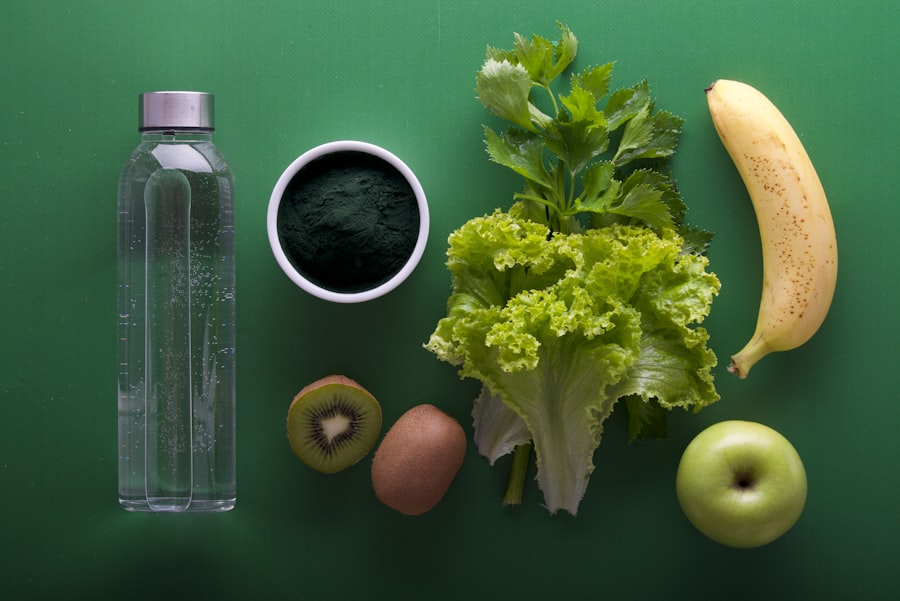
What you eat has a profound impact on your energy levels, mood, and overall health. This isn’t about restrictive diets or counting every calorie. It’s about making informed choices that provide your body with the nutrients it needs.
Prioritizing Whole Foods
Think about foods that are minimally processed. Fruits, vegetables, lean proteins, and whole grains are packed with vitamins, minerals, and fiber that your body thrives on. They provide sustained energy and support your immune system.
Hydration is Key
It sounds simple, but drinking enough water is incredibly important. Water is essential for countless bodily functions, from regulating body temperature to transporting nutrients. Dehydration can lead to fatigue, headaches, and poor concentration.
Mindful Eating Practices
Pay attention to your hunger and fullness cues. Eating slowly and savoring your food can improve digestion and help you feel more satisfied. Avoid eating when you’re distracted, as this can lead to overeating.
The Benefits of Movement
Our bodies are designed to move. Regular physical activity isn’t just for weight management; it’s a powerful stress reliever, mood booster, and promoter of cardiovascular health.
Finding What You Enjoy
The key to a sustainable movement routine is finding activities you actually like. If you dread going to the gym, try dancing, hiking, swimming, cycling, or even just brisk walking. Consistency is more important than intensity in the long run.
Incorporating Strength Training
Building muscle isn’t just about aesthetics; it’s crucial for metabolism, bone health, and maintaining independence as we age. You don’t need a gym for this; bodyweight exercises like squats, push-ups, and lunges are very effective.
The Power of Stretching
Flexibility and mobility are often overlooked. Regular stretching can improve posture, reduce muscle soreness, and prevent injuries. Yoga and Pilates are excellent for this, but simple stretches after a workout or even while you’re watching TV can make a difference.
Nurturing Your Mental and Emotional Well-being

While physical health is vital, our mental and emotional states are equally, if not more, influential on our overall well-being. This is where we explore how to cultivate a calmer mind, build resilience, and foster a positive outlook.
The Impact of Stress
Stress is an unavoidable part of life, but chronic, unmanaged stress can be incredibly damaging to both our mental and physical health. Learning to identify stressors and develop coping mechanisms is fundamental to wellness.
Stress Identification
Start by recognizing what activities, situations, or thoughts trigger your stress response. Keeping a journal or simply paying mindful attention to your feelings can help you pinpoint these areas.
Relaxation Techniques
There are numerous ways to unwind. Deep breathing exercises, meditation, progressive muscle relaxation, or even just listening to calming music can help to lower cortisol levels and promote a sense of peace.
Setting Boundaries
Learning to say “no” is a powerful act of self-care. It’s about protecting your time and energy from demands that deplete you. This applies to work, social commitments, and even family obligations.
Cultivating a Positive Mindset
Our thoughts have a significant impact on our feelings and behaviors. By consciously shifting our focus towards the positive, we can improve our resilience and overall outlook.
Practicing Gratitude
Taking time each day to appreciate what you have, no matter how small, can fundamentally shift your perspective. This could be as simple as noting three things you’re thankful for before bed.
Challenging Negative Thoughts
When negative thoughts arise, try to examine them objectively. Are they based on facts or assumptions? Often, just questioning the validity of a negative thought can reduce its power.
Mindfulness and Presence
Being present in the moment, rather than dwelling on the past or worrying about the future, can significantly reduce anxiety. Mindfulness involves paying attention to your thoughts, feelings, and surroundings without judgment.
The Importance of Quality Sleep
Sleep is not a luxury; it’s a non-negotiable pillar of wellness. During sleep, our bodies and minds undergo essential repair and restoration processes. Neglecting sleep can have far-reaching negative consequences.
Why Sleep Matters
Getting enough quality sleep is crucial for cognitive function, emotional regulation, immune system health, and physical recovery. When you’re sleep-deprived, your focus suffers, your mood can plummet, and your body becomes more susceptible to illness.
Establishing a Sleep Routine
Consistency is key. Going to bed and waking up around the same time every day, even on weekends, helps to regulate your body’s natural sleep-wake cycle (circadian rhythm).
Creating a Sleep Sanctuary
Make your bedroom a haven for sleep. Ensure it’s dark, quiet, and cool. Comfortable bedding is also essential. Minimize screen time before bed, as the blue light emitted from devices can interfere with melatonin production.
Avoiding Sleep Disruptors
Limit caffeine and alcohol intake, especially in the hours leading up to bedtime. While alcohol might make you feel drowsy initially, it can disrupt sleep later in the night. Avoid heavy meals close to bedtime.
For those interested in enhancing their wellness journey, exploring sustainable practices can be incredibly beneficial. One such practice is composting, which not only enriches the soil but also supports a healthier environment. If you’re curious about how to get started, check out this informative article on composting that reveals essential secrets for successful soil management. Embracing these eco-friendly habits can contribute significantly to your overall well-being.
Building Meaningful Connections
| Wellness Metric | Data |
|---|---|
| Physical Activity | 150 minutes per week |
| Sleep | 7-9 hours per night |
| Nutrition | 5 servings of fruits and vegetables per day |
| Mental Health | Stress level: Low |
Humans are social beings. Our relationships and connections with others play a vital role in our overall well-being. Feeling connected and supported can significantly boost our happiness and resilience.
The Power of Social Support
Having a strong social network provides a buffer against stress and can improve our mental health. Knowing you have people to rely on, to share joys with, and to lean on during tough times is invaluable.
Nurturing Existing Relationships
Invest time and energy into the relationships you already have. Make an effort to connect with friends and family regularly, even if it’s just a quick phone call or text.
Seeking Out New Connections
If your social circle feels small, consider joining clubs, volunteering, or taking classes that align with your interests. These are great ways to meet like-minded people.
The Importance of Listening
Genuine connection comes from both speaking and listening. Being present and truly listening when others talk fosters deeper bonds and demonstrates that you value them.
The Role of Community
Beyond individual relationships, being part of a community – whether it’s a neighborhood, a shared interest group, or a religious organization – can foster a sense of belonging and purpose.
For those interested in enhancing their wellness journey, exploring various food preservation techniques can be incredibly beneficial. Not only do these methods help maintain the nutritional value of your meals, but they also promote a sustainable lifestyle. A related article that delves deeper into this topic can be found here: best food preservation techniques. By incorporating these practices, you can ensure that your food remains fresh and healthy, ultimately contributing to your overall well-being.
Embracing Personal Growth and Purpose
Wellness isn’t static; it’s a journey of continuous learning and development. Finding meaning and purpose in your life adds a profound layer of satisfaction and resilience.
Lifelong Learning
The desire to learn keeps our minds sharp and engaged. This can be anything from reading books, taking online courses, learning a new skill, or exploring new subjects that pique your curiosity.
Seeking New Experiences
Stepping outside your comfort zone and trying new things can lead to personal growth and a more vibrant life. This could be traveling to a new place, attempting a new hobby, or even just taking a different route to work.
Cultivating a Sense of Purpose
Having a sense of purpose provides direction and motivation. This doesn’t have to be a grand, world-changing mission. It can be about contributing to your family, excelling in your career, or making a positive impact in your community.
Setting Goals for Yourself
Setting personal goals, both big and small, gives you something to strive for. This can be anything from learning a new language to improving your fitness to achieving a career milestone. The act of working towards a goal itself is incredibly rewarding.
Reflection and Self-Awareness
Regularly taking time for self-reflection is crucial. Understanding your values, your strengths, and your areas for growth allows you to make more conscious and fulfilling choices. This can be through journaling, meditation, or simply quiet contemplation.
In conclusion, the healing power of wellness is accessible to everyone. It’s not about grand gestures or expensive solutions, but about making consistent, intentional choices across various aspects of your life. By focusing on nourishing your body, caring for your mind, prioritizing sleep, nurturing connections, and pursuing purpose, you empower yourself to live a more vibrant, resilient, and fulfilling life. It’s a journey, not a destination, and every small step you take towards a more well-rounded approach to living will undoubtedly contribute to a profound sense of healing and well-being.
