
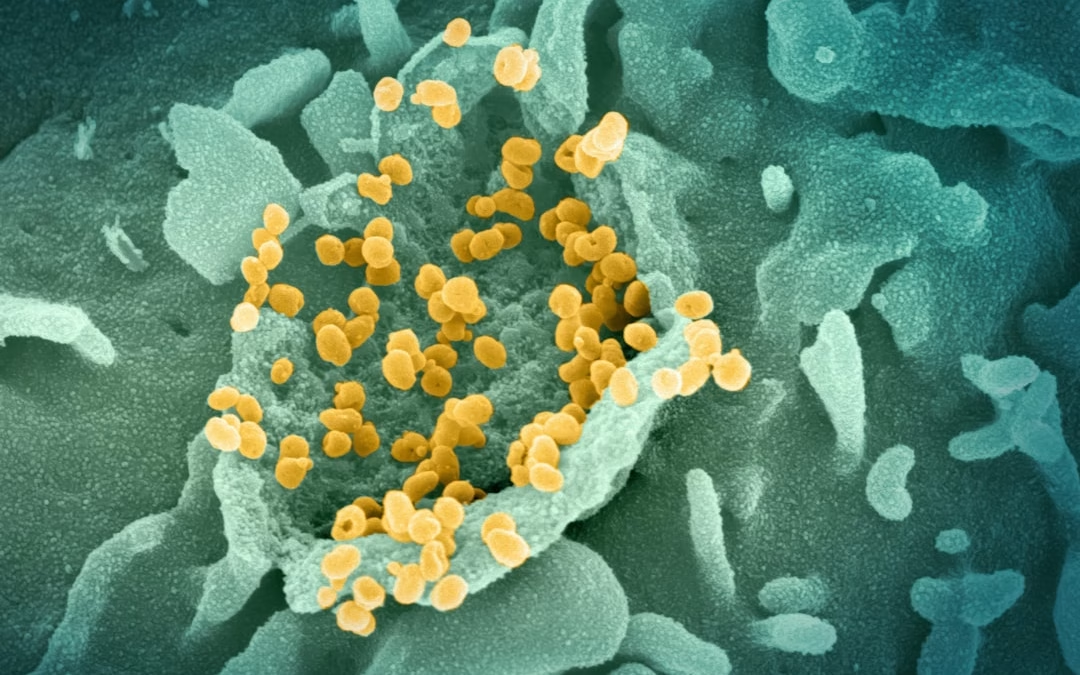
Feeling that familiar itch and discomfort? You’re likely dealing with a yeast infection. The good news is, there are several effective ways to treat it, from over-the-counter options to prescription medications, and even some natural remedies worth exploring. Most yeast infections, or candidiasis, are caused by an overgrowth of the fungus Candida albicans, and getting rid of it usually involves antifungal treatments.
Before diving into treatments, let’s briefly touch on what a yeast infection actually is. It’s essentially an imbalance. Candida is a naturally occurring fungus that lives in and on our bodies, including in the vagina, mouth, and digestive tract. Usually, other microorganisms keep its growth in check. But sometimes, things get out of whack, leading to an overgrowth and those uncomfortable symptoms we associate with a yeast infection.
Common Triggers for Yeast Infections
Several things can throw off your body’s natural balance and create a breeding ground for Candida. Knowing these triggers can sometimes help you prevent future infections.
Antibiotic Use
This is a big one. Antibiotics are great for killing bad bacteria, but they can also kill the good bacteria that keep Candida in check, allowing the fungus to flourish.
Hormonal Changes
Fluctuations during pregnancy, menstruation, or menopause can affect the pH balance of the vagina, making it more susceptible to yeast overgrowth. Contraceptives with higher estrogen levels can also play a role.
Weakened Immune System
If your immune system is compromised due to stress, illness, or certain medications, your body might have a harder time fighting off infections, including yeast.
Diabetes
High blood sugar levels, especially if not well-controlled, can feed Candida and increase the risk of infections.
Tight Clothing and Poor Hygiene
Wearing tight, non-breathable underwear or clothing can trap moisture and create a warm, damp environment, which yeast loves. While hygiene is important, over-showering or using harsh soaps can also disrupt the natural balance.
For those seeking natural remedies and holistic approaches to health, an interesting article on off-grid living can provide valuable insights into self-sufficiency and wellness. You can explore this topic further in the article found at Unlock the Secrets of an Off-Grid Lifestyle, which discusses how sustainable living can contribute to overall health, including strategies that may complement yeast infection treatments.
Over-the-Counter (OTC) Treatment Options
When you first notice symptoms, many people reach for OTC remedies, and for good reason – they’re often effective for mild to moderate infections. These typically come in the form of creams, suppositories, or ointments and contain antifungal medications.
Antifungal Creams and Suppositories
These are applied directly to the affected area. They usually contain active ingredients like miconazole (found in products like Monistat), clotrimazole (like Gyne-Lotrimin), or tioconazole (like Vagistat).
Duration of Treatment
OTC treatments usually range from one-day to seven-day courses. While a one-day treatment can be tempting for quick relief, many healthcare providers recommend a three-day or even seven-day course for more effective eradication and to reduce the chance of recurrence, especially if it’s your first infection or if symptoms are more than mild.
Application Tips
Always follow the package directions carefully. Typically, you’ll insert the suppository or apply the cream before bed, as gravity can make it run out during the day. Using a panty liner can help manage any discharge.
Pros and Cons of OTC Options
Pros:
- Convenience: Easily accessible at pharmacies and drugstores.
- Cost-effective: Generally cheaper than prescription medications.
- Privacy: Some prefer to treat it discreetly without a doctor’s visit.
Cons:
- Self-diagnosis risk: You might be treating something that isn’t a yeast infection, delaying proper treatment for another condition.
- Effectiveness: May not be strong enough for recurrent or severe infections.
- Side effects: Can cause local irritation, burning, or itching, although this is usually mild.
Prescription Medications for Persistent Infections

If OTC options aren’t cutting it, or if you experience recurrent infections, it’s time to see a doctor. They can confirm the diagnosis and prescribe stronger or different treatments.
Oral Antifungal Medications
The most common oral antifungal for yeast infections is fluconazole (brand name Diflucan). It’s a single-dose pill that works systemically to clear the infection.
How Fluconazole Works
Fluconazole travels through your bloodstream to the site of the infection and kills the Candida fungus. Many people find a single dose to be incredibly convenient and effective. Symptom relief usually starts within 24-48 hours.
Considerations for Fluconazole
While generally safe, fluconazole is not suitable for everyone. It should be avoided during pregnancy (especially in the first trimester) and can interact with certain other medications. Always inform your doctor about any other drugs you are taking.
Prescription-Strength Topical Treatments
For more severe or persistent topical infections, your doctor might prescribe stronger topical creams or suppositories than what’s available OTC. These might contain higher concentrations of antifungals or different agents.
Boric Acid Suppositories
Though not a traditional antifungal, boric acid is an excellent alternative, especially for recurrent or resistant yeast infections. It’s often used as a vaginal suppository and can help restore an acidic environment that Candida dislikes. While it can be purchased OTC, it’s safer to use under a doctor’s guidance, as it can be toxic if ingested.
Nystatin
Another prescription topical antifungal that can be very effective for specific types of Candida or when other treatments haven’t worked. It comes in cream or suppository form.
When to Seek Medical Attention
It’s crucial to see a doctor if:
- You’re unsure if it’s a yeast infection.
- You experience recurrent yeast infections (four or more in a year).
- Your symptoms don’t improve after using OTC treatments.
- You have new symptoms like pelvic pain, fever, or unusual discharge.
- You are pregnant.
- You have underlying health conditions like diabetes or a compromised immune system.
Exploring Natural and Alternative Approaches
While not always a primary treatment, some natural remedies can offer relief, support healing, or help prevent recurrences. It’s important to remember that these should often be used as complementary approaches and not as replacements for proven medical treatments, especially for severe infections. Always discuss these with your doctor.
Probiotics and Gut Health
Probiotics, specifically strains of Lactobacillus, are beneficial bacteria that help maintain a healthy balance of microorganisms in the body, including in the vagina.
How Probiotics Help
By introducing good bacteria, probiotics can help suppress the growth of Candida and restore the natural flora.
Types of Probiotics
You can consume probiotics through fermented foods like yogurt (ensure it has live and active cultures) and kefir, or through probiotic supplements. Look for supplements specifically formulated for vaginal health, often containing Lactobacillus rhamnosus and Lactobacillus reuteri. Some women also use vaginal probiotic suppositories.
Dietary Changes
What you eat can influence the environment in your body, and some experts believe diet plays a role in yeast overgrowth.
Reducing Sugar Intake
Candida thrives on sugar. Reducing your intake of refined sugars, highly processed foods, and excessive carbohydrates might help starve the fungus and prevent its overgrowth.
Incorporating Antifungal Foods
Some foods are thought to have natural antifungal properties, such as garlic, virgin coconut oil (containing caprylic acid), and apple cider vinegar. While these aren’t standalone treatments, incorporating them into a balanced diet might be supportive.
Topical Natural Remedies (Use with Caution)
Some natural substances are applied topically, but it’s essential to use them with great care and under professional guidance, as some can cause irritation or be ineffective.
Tea Tree Oil
Known for its antifungal properties, tea tree oil can be irritating if used undiluted. It’s sometimes found in diluted forms in vaginal washes or suppositories. Never apply pure tea tree oil directly to sensitive skin.
Coconut Oil
Pure, organic virgin coconut oil contains caprylic acid, which has antifungal properties. Some individuals apply it topically, though its effectiveness for treating established infections is not as well-studied as conventional antifungals.
Apple Cider Vinegar Baths
Adding a cup of apple cider vinegar to a warm bath might help restore the vaginal pH, but avoid douching with it, as that can further disrupt the natural balance.
For those seeking effective remedies for yeast infections, exploring various treatment options can be beneficial. A related article discusses holistic approaches to health that may enhance your overall well-being, which can indirectly support your body’s ability to combat infections. You can read more about these techniques in the article on food preservation methods by following this link: food preservation techniques. By incorporating these practices into your lifestyle, you may find a more balanced approach to managing health issues.
Preventing Recurrent Yeast Infections
| Treatment | Success Rate | Side Effects |
|---|---|---|
| Antifungal Creams | High | Mild skin irritation |
| Oral Antifungal Medications | High | Nausea, headache |
| Probiotics | Moderate | No significant side effects |
| Home Remedies (e.g. yogurt) | Low | No significant side effects |
Dealing with a yeast infection once is bad enough, but having them repeatedly can be incredibly frustrating. Prevention is key here.
Healthy Habits to Adopt
Small changes in your daily routine can make a big difference in keeping Candida at bay.
Opt for Breathable Underwear
Cotton underwear is your best friend. It allows for better air circulation and reduces moisture build-up compared to synthetic materials. Avoid thongs if you’re prone to infections, as they can sometimes transfer bacteria.
Avoid Harsh Soaps and Douches
Your vagina is a self-cleaning organ. Using perfumed soaps, bubble baths, or douching can disrupt its natural pH and protective bacteria, leading to infections. Stick to plain water or a mild, unscented cleanser for the external genital area.
Change Wet Clothing Promptly
After swimming, working out, or showering, change out of wet swimsuits or sweaty workout gear as soon as possible. Damp environments are perfect for yeast growth.
Wipe from Front to Back
This simple hygiene practice, commonly taught to young girls, prevents the spread of bacteria and yeast from the anus to the vagina.
Manage Blood Sugar Levels
If you have diabetes, diligently managing your blood glucose levels can significantly reduce your risk of yeast infections.
Consider Prophylactic Treatment (if recommended by a doctor)
For individuals with truly recurrent infections, a doctor might suggest a prophylactic antifungal regimen. This could involve taking fluconazole once a week or month for several months to keep infections from coming back. This is usually a last resort after other preventative measures have failed.
If you’re looking for effective strategies to manage yeast infections, you might find it helpful to explore a related article that discusses holistic approaches to health. This resource offers insights into natural remedies and lifestyle changes that can support your overall well-being. You can read more about these methods in this informative piece on holistic health. By incorporating these practices, you may enhance your body’s ability to prevent and treat yeast infections effectively.
When to Consult a Healthcare Professional
Even if you’ve had yeast infections before and feel confident in self-diagnosing, there are situations where a doctor’s visit is non-negotiable.
Persistent or Worsening Symptoms
If your symptoms don’t improve after a few days of OTC treatment, or if they get worse, something else might be going on, or you might need a stronger medication.
First-Time Infection
If this is your first time experiencing symptoms you suspect are a yeast infection, it’s always best to get a proper diagnosis. Other conditions, like bacterial vaginosis or STIs, can have similar symptoms and require different treatments. Self-diagnosing can delay necessary care for these conditions.
Pregnancy
If you’re pregnant and suspect a yeast infection, do not self-treat. Certain medications are not safe during pregnancy, and your doctor will recommend the most appropriate and safest treatment plan for both you and your baby.
Compromised Immune System
Individuals with conditions that weaken the immune system (like HIV/AIDS or those undergoing chemotherapy) are at higher risk for more severe or resistant infections. They should always consult a doctor for a yeast infection.
Uncertainty
When in doubt, always err on the side of caution and talk to a healthcare provider. They can provide an accurate diagnosis, recommend the most effective treatment, and rule out other potentially more serious conditions.
In conclusion, yeast infections are common and treatable. While OTC options are often effective for mild cases, don’t hesitate to seek medical advice for persistent, recurrent, or severe infections. Adopting preventive habits can also go a long way in keeping you comfortable and healthy.
