

I remember a family who came to me with a mystery. Their child had persistent sniffles and a nagging cough that no allergy medicine seemed to clear. After weeks of searching, they found the culprit hiding in plain sight—a patch of damp, fuzzy growth behind a bookshelf in their living room.
This story is, unfortunately, common. As a professional focused on environmental wellness, I’ve seen how this kind of fungal growth in our indoor spaces can quietly undermine a family’s well-being. For people with sensitivities or existing respiratory conditions, exposure to these spores can trigger significant discomfort.
My goal with this guide is to cut through the worry and provide a clear, actionable path forward. We’ll explore how to identify risks in your home and implement straightforward strategies to address them. Taking proactive steps is essential for maintaining your household’s health and ensuring your living space remains the safe sanctuary it should be.
Key Takeaways
- Mold is a common issue in homes that can affect indoor air quality.
- Exposure to mold spores may worsen allergies and respiratory conditions.
- Early identification of damp areas is key to preventing growth.
- Simple, consistent cleaning habits can significantly reduce risks.
- Improving ventilation helps keep your home’s environment dry and healthy.
- Protecting your family involves understanding and managing hidden sources of moisture.
- This guide provides a practical, step-by-step approach to creating a healthier living space.
Understanding Mold Exposure and Its Health Impacts
The connection between our living spaces and our physical well-being is more direct than many realize. When invisible spores become a constant part of the air we breathe, our bodies can react in noticeable ways.
I find it’s helpful for families to understand both the common signs and the underlying science. This knowledge empowers you to connect potential dots in your own home.
Common Symptoms and Body Responses
Our bodies often signal distress through the respiratory system and skin. For some, this means persistent sniffles, a cough, or wheezing.
Research strongly links childhood exposure to the development of asthma. Skin reactions are another clear indicator.
A 2021 study confirmed that a diagnosed sensitivity is associated with more severe eczema. These are the body’s direct responses to an irritant.
Why Mold Toxins Can Threaten Family Health
The greater concern often lies with mycotoxins. These are compounds some fungi produce that can cause various health issues.
For individuals with a compromised immune system, the risk is higher. A common type called Aspergillus can lead to serious lung infections.
A 2015 review estimates 3% to 10% of people are more sensitive to these effects. This variability means one family member might feel fine while another experiences a significant illness.
| Body System | Common Response | Key Consideration |
|---|---|---|
| Respiratory | Wheezing, cough, asthma development | Linked to childhood exposure in studies |
| Skin | Itchy skin, worsened eczema | Sensitivity confirmed to intensify symptoms |
| Immune System | Allergic reactions, risk of infection | Critical for immunocompromised individuals |
Understanding these body responses is the first step in safeguarding your family from potential conditions triggered by your environment.
Exploring the Concept of mold detox
When we talk about reducing the burden of mycotoxins, we’re addressing particles so small they rival viruses in size. These fungal particles, often measuring 2.5 microns or less, can linger in our spaces and bodies.
I find it’s crucial to frame this not as a fear-based concept, but as a supportive, practical process. It’s about empowering your family’s natural resilience.
Defining Mold Detox and Its Benefits
In my professional view, this cleansing process is the systematic reduction of your body’s toxic load from environmental contaminants. It’s an integrated strategy, not a single pill.
The core benefit is supporting your innate filtration systems—like the liver and kidneys—to work more efficiently. This helps manage the impact of exposures that accumulate over time.
“True wellness requires addressing the source of exposure and supporting the body’s capacity to heal. It’s a dual pathway.”
Understanding this allows you to take proactive steps. You can create a home environment that minimizes these invisible threats.
| Aspect | Conventional View | Integrated Approach |
|---|---|---|
| Primary Goal | Remove symptoms quickly | Reduce long-term burden and prevent recurrence |
| Key Method | Reliance on supplements alone | Combines home source control with bodily support |
| Overall Scope | Narrow, focused on the individual | Broad, includes living space and lifestyle |
This table highlights why I emphasize a holistic plan. The integrated method offers more sustainable health benefits for your entire family.
Recognizing Hidden Mold in Your Living Spaces
I often advise families to start their home assessment by focusing on areas with a history of dampness. These spots are where unwanted growth tends to thrive, often escaping casual notice.
Proactive identification is your best defense against potential health impacts. Let’s explore the subtle clues and practical methods for a thorough inspection.
Signs of Mold in Damp Areas
Visual cues are your first indicator. Look for discoloration—stains or fuzzy patches—on walls, ceilings, or under sinks.
Common trouble zones include bathrooms, basements, and laundry rooms. A persistent musty odor is another strong signal, even if you see nothing.
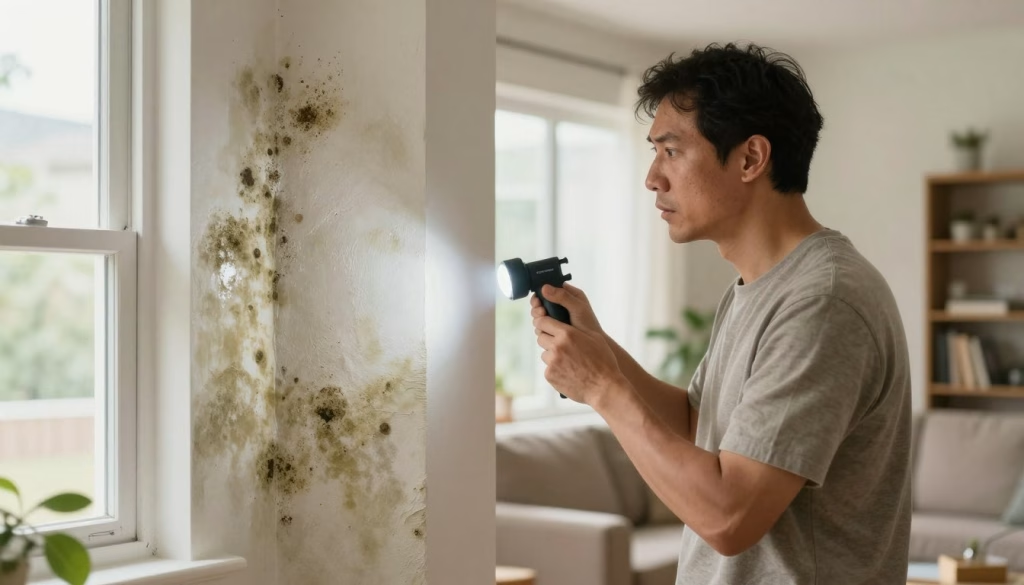
Warm, dark, and humid corners are prime real estate for this fungal growth. Kitchens and closets can also harbor these issues.
Techniques for Home Inspection
Arm yourself with simple tools. A moisture meter can detect hidden dampness in walls. A borescope lets you peer into cavities.
Controlling humidity is critical. Keep indoor levels below 50% to prevent regrowth. This is a fundamental step for a healthy environment.
For any growth covering over 10 square feet, seek professional remediation. This is the safest guidance for all individuals in the household.
Regular checks help prevent ongoing exposure. They are a vital part of maintaining your family’s well-being.
Effective Home Remedies and Detoxification Techniques
Let’s shift from understanding the problem to implementing solutions you can start today. My approach combines managing your environment with supporting your body’s natural processes.
At-Home Strategies for Reducing Mycotoxin Exposure
Reducing your family’s contact with these particles requires a two-part plan. First, clean your indoor air. A HEPA air purifier captures tiny spores that can trigger reactions.
Second, consider ways to aid your body’s own elimination pathways. Some people find that using a sauna supports the removal of environmental waste through sweating.
Research on binders like activated charcoal is promising. It shows an 81% adsorption capacity for various mycotoxins. I always advise consulting a doctor before starting any new protocol.
This ensures safety for your specific health needs. My goal is to offer practical, evidence-based steps for a healthier home.
Nutritional and Lifestyle Support for Detox
Nutrition forms a powerful foundation for your body’s natural resilience against environmental challenges. I view this as empowering your internal systems with the right fuel.
Anti-Inflammatory Diet and Foods to Embrace
Supporting your liver is vital. It processes unwanted particles through two distinct phases.
An anti-inflammatory eating pattern provides the antioxidants these pathways need. I recommend colorful vegetables like bell peppers and leafy greens.
These foods help reduce systemic inflammation. Avoiding items like aged cheeses and peanuts can also prevent new exposures.
This simple shift often helps alleviate feelings of fatigue and mental fog.
| Food Category | Examples to Embrace | Key Benefit |
|---|---|---|
| Colorful Vegetables | Bell peppers, leafy greens, berries | Rich in antioxidants, fight inflammation |
| Lean Proteins | Chicken, fish, legumes | Supports liver enzyme function |
| Healthy Fats | Avocado, olive oil, nuts | Reduces systemic inflammation |
| Foods to Limit | Aged cheeses, peanuts, dried fruits | Can introduce additional spores |
Hydration and Practical Daily Practices
Staying hydrated is a simple yet powerful practice. Aim for 8-10 cups of filtered water daily.
This helps your body flush out waste products effectively. Regular exercise and quality sleep are equally essential.
These lifestyle components support your overall detox program for long-term health.
When to Seek Professional Help and Medical Treatments
Navigating persistent health reactions can be confusing. Certain signs clearly indicate the need for professional medical evaluation.
If you or a family member has asthma or experiences severe respiratory symptoms, consulting a doctor is essential. These are not signs to manage alone.

Understanding Allergies, Asthma, and Severe Reactions
An allergic response or worsening asthma can be a primary clue. It often points to an ongoing environmental trigger affecting your immune system.
Many patients find that working with a knowledgeable clinician helps identify if a past mold exposure is the root cause. This is a vital step toward effective treatment.
For a confirmed fungal infection, a doctor may prescribe an antifungal medication. Drugs like voriconazole support the body’s fight against the invader.
Another potential treatment is immunotherapy, or allergy shots. This approach aims to reduce sensitivity over time.
I always encourage patients to prioritize specialized medical guidance for significant breathing trouble. Persistent reactions warrant a professional plan for this complex illness.
Integrating Advanced Detox Protocols and Therapies
When standard interventions don’t bring relief, exploring advanced options becomes necessary. In my practice, I work with patients who continue to struggle despite diligent home care and dietary changes.
Innovative Approaches Like Therapeutic Plasma Exchange
Therapeutic Plasma Exchange (TPE) is a sophisticated medical procedure. It directly removes inflammatory proteins and environmental toxins from the bloodstream.
A 2025 study by Savage et al. explores its potential to eliminate synthetic chemicals. This approach could benefit those with a history of significant fungal exposure.
The process separates plasma from blood cells. It is then replaced with a clean solution like albumin.
This helps the body clear persistent environmental contaminants. I have seen this protocol provide measurable results for stubborn cases.
For these patients, targeting toxins systemically supports the liver and kidneys. These organs are vital for maintaining internal balance after past environmental exposure.
Embracing Biotoxin Binder in Your Mold Detox Plan
For individuals whose symptoms persist long after leaving a problematic environment, a specific intervention is key. Research shows that for patients with certain HLA-DR genetic variations, toxins can have half-lives of 160 to 311 days. This means the body’s natural elimination process is significantly slowed.
In my practice, I see how this prolonged exposure contributes to ongoing health challenges. A strategic binder becomes essential to manage mold mycotoxin levels effectively.
How Biotoxin Binder Supports Toxin Elimination
Using a high-quality binder is a cornerstone of my approach. It works by capturing toxins in the digestive tract. This prevents their reabsorption into the bloodstream.
This support for the body is crucial for those with genetic sensitivities. It helps clear the mental fog and brain fog that often lingers. The body can then better repair cells and tissues.
The results include reduced mycotoxin exposure and less burden on the kidneys. It addresses a core needs in a comprehensive wellness plan.
Buy Biotoxin Binder: Click Here
I recommend a specific product for this purpose. You can Buy Biotoxin Binder here.
Proper guidance is important for effectiveness. Take it away from meals to maximize its binding capacity. This simple step can make a significant difference in your mold detox journey.
Your Road to a Healthier Home Environment
Your journey toward a healthier home is a powerful commitment to your family’s well-being. Recovery from environmental challenges is a process that requires a comprehensive approach. It focuses on healing your immune system and restoring your vitality.
By following this guide, you take control of your space and actively support your body. I have seen many people overcome persistent symptoms, like brain fog, with a consistent plan. Lasting results come from addressing both your environment and your personal health.
Remember, your health needs are unique. Working with a professional can provide the personalized guidance essential for your progress. Your road starts with these simple steps, and I am here to support you in achieving lasting wellness.
