

Sarah came to my clinic exhausted. She had relentless sinus pressure, a foggy brain, and aches no doctor could explain. For two years, her health spiraled. We traced it back to a slow leak behind her washing machine.
Hidden mold in her home was the source. This is a story I see often. As an integrative health practitioner, I’ve helped many people whose bodies were struggling with the effects of indoor mold.
These mold toxins, or mycotoxins, can trigger a wide range of symptoms. They affect the brain, sinus, and immune system. Understanding this link is the first, crucial step.
True recovery requires a clear plan. It involves cleaning your environment and supporting your body’s natural detoxification process. This includes pathways like the liver. Promising research, including studies on enzymatic detoxification, shows our bodies can overcome this exposure.
This guide provides the steps I use with my patients. We’ll focus on practical ways to remove mold, clean your air, and nourish your health back to balance.
Key Takeaways
- Unexplained chronic symptoms like fatigue and brain fog can often be linked to mold exposure in the living environment.
- Identifying and removing the source of indoor mold is the essential first step in any recovery plan.
- Mold toxins can burden the body’s systems, requiring targeted support for the immune system and detox pathways.
- A systematic approach that addresses both the home and the body is key to effective mold detox.
- Supporting the body’s natural detox processes, including liver function, is a cornerstone of healing from mold illness.
- Practical strategies for cleaning air and surfaces can significantly reduce ongoing toxin exposure.
- Consulting with a knowledgeable practitioner can help create a personalized plan to navigate this complex process.
Understanding Mold and Mycotoxins
Understanding the nature of mold and its byproducts is fundamental to addressing the root cause of many unexplained illnesses. In this section, I’ll explain what these substances are and how they interact with our body.
What Are Mycotoxins and Their Effects?
Mycotoxins are poisonous compounds produced by certain fungi. As Nicola Ducharme, ND, notes, these toxins frequently complicate recovery for patients with conditions like Lyme disease.
They are not the mold itself, but rather the harmful chemicals some molds release. When we breathe contaminated air or touch affected surfaces, these compounds enter our system.
| Mold Type | Common Mycotoxin | Typical Health Symptoms |
|---|---|---|
| Aspergillus | Aflatoxin | Respiratory issues, liver stress |
| Stachybotrys | Satratoxin | Fatigue, cognitive difficulties, sinus congestion |
| Penicillium | Ochratoxin | Kidney concerns, allergic reactions |
Mold Exposure and Common Health Symptoms
A 2015 review estimates that 3% to 10% of people are more sensitive to mold’s effects. For them, even low-level exposure can trigger significant reactions.
Common symptoms include persistent coughing, wheezing, and nasal congestion. These often mimic allergies, making indoor mold hard to pinpoint.
When the body is overwhelmed, its natural detoxification process can struggle. This burden on the immune system may lead to a state of persistent illness. Identifying this link is a critical first step toward better health.
Identifying Hidden Mold in Indoor Spaces
Mold doesn’t always announce its presence with visible black spots. It often prefers to grow out of sight. Finding these hidden sources is a critical first step for your health.
You must know where to look and what clues to notice. This knowledge turns a vague concern into a clear action plan.
Common Areas Where Mold Thrives
Mold seeks moisture and darkness. The usual suspects are damp rooms like bathrooms, basements, and kitchens.
It also hides in less obvious places. Check behind drywall, under sinks, and inside HVAC systems. These spots can host growth for a long time without clear signs.
Signs You Might Be Exposed to Mold
Your home might give you hints. A persistent musty odor or unexplained water staining are red flags. If you notice these, it’s time to test your indoor air quality.
Your body sends signals too. Research shows childhood mold exposure is linked to asthma. Another study found mold spores can interfere with brain cell production.
This means ongoing exposure can contribute to chronic symptoms. Many people overlook this link. Identifying the source is the essential next step for recovery.
Getting Out of a Moldy Environment
Effective mold management hinges on first securing a clean living area. I tell my patients that healing is nearly impossible if you stay in a contaminated space. Your body needs a break from the constant assault.
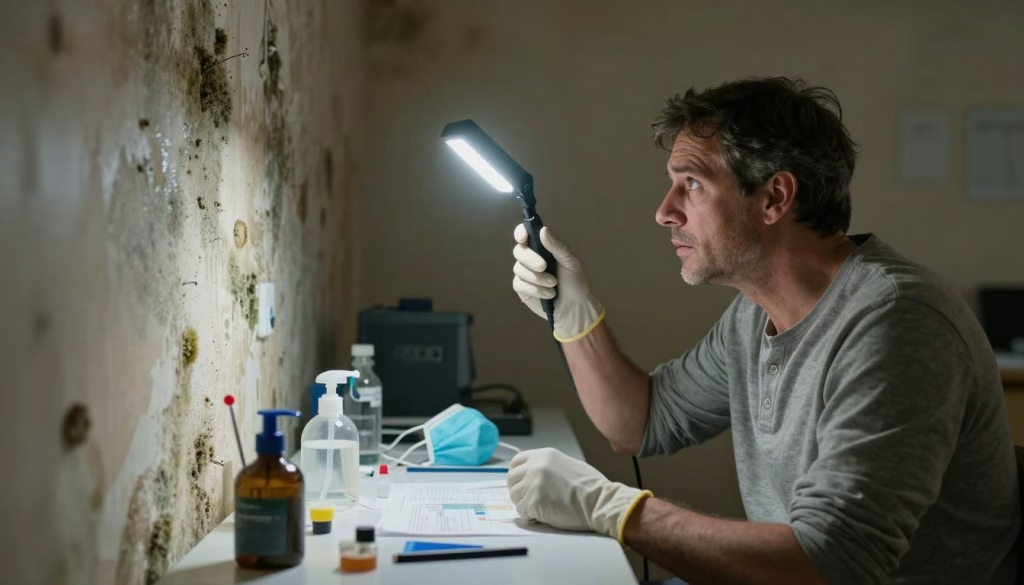
This is the most important step. Ongoing exposure keeps your immune system on high alert. It blocks your natural recovery process.
Strategies for Assessing Your Living Space
You need a clear plan to evaluate your home. Resources like the MDL Clean guide offer practical steps for checking walls and HVAC systems. Many people start here.
A professional inspection is often the best test. Experts use tools to find hidden growth you might miss. They ensure your living space is truly free from the mold source.
Controlling moisture is critical. Keep indoor humidity below 50% to prevent regrowth. This protects your air quality and your long-term health.
| Assessment Method | Best For | Key Actions |
|---|---|---|
| Visual & Odor Check | Initial screening | Look for water stains, sniff for musty smells |
| Humidity Monitoring | Prevention | Use a hygrometer, fix leaks, use dehumidifiers |
| Professional Mold Inspection | Definitive diagnosis | Air & surface sampling, infrared moisture detection |
If you cannot fully remove mold, you may need to replace porous items. Carpets and drywall can harbor toxins. Removing them stops ongoing mold exposure and helps your body heal.
Supporting Your Body’s Detox with Nutrition and Hydration
Your body possesses incredible systems for handling toxins, but they need the right fuel to function optimally. After securing a clean environment, this internal support becomes your primary focus.
I guide my patients to nourish these pathways. This helps manage the residual stress from past mold exposure.
Detoxifying Foods and Supplements
Supporting your liver is essential. It manages the detoxification process by converting harmful substances for excretion.
Incorporate foods like cruciferous vegetables and beets. Specific supplements can also provide targeted nutritional support.
For severe cases, advanced medical protocols exist. These can help remove inflammatory proteins directly from the bloodstream.
Tips for Staying Hydrated and Active
Staying hydrated is a simple but vital step. It ensures your bowels are moving, which is necessary to eliminate mold toxins.
Daily movement is equally important. Gentle activity helps maintain your lymphatic system’s function.
This combination supports your overall health and immune system. It gives your body the resources it needs to heal.
Effective mycotoxin elimination Approaches
Your body is equipped with sophisticated systems designed to neutralize and remove harmful substances. A strategic plan works with these pathways, not against them.
Understanding Your Body’s Detox Pathways
The liver is your central processing hub. As Nicola Ducharme, ND, explains, it performs detoxification in two distinct phases.
These include pathways like glutathione conjugation. They prepare mold toxins for safe removal from your body.
Understanding this internal process is a key step for a personalized plan. It addresses the lingering effects of mold exposure.
Many people find that targeted support, like liposomal glutathione, helps the body handle these toxins more efficiently.
Elimination is not complete until wastes leave your body. If your bowels are not moving daily, you will struggle to finish this vital process.
Addressing potential mold colonization in the gut is also crucial. It supports long-term health and a resilient immune system.
For a structured approach, reviewing a comprehensive mycotoxin treatment protocol can be very helpful.
Utilizing Natural Binders and Biotoxin Binder
Think of binders as specialized cleanup crews for your internal environment. After you’ve addressed the mold source in your home, these agents provide crucial internal support.
They work by grabbing onto harmful compounds in your gut. This prevents their reabsorption and helps your body excrete them safely.
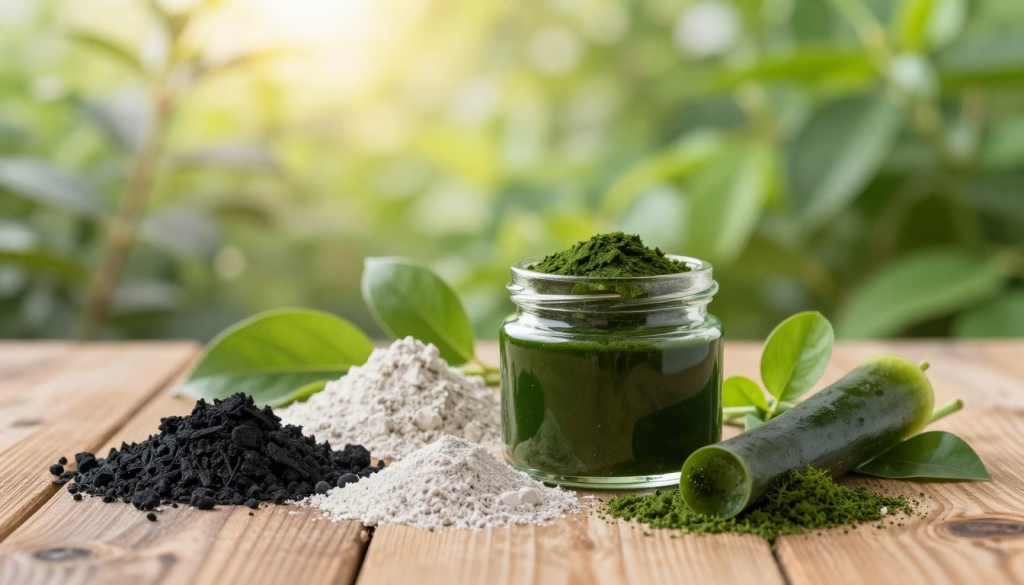
Why Use Binders for Detox?
Binders like activated charcoal or clay are essential tools. They escort mold toxins out of your system.
This process supports your liver’s natural detox function. It reduces the overall burden on your immune system.
For many people, this is a logical next step after cleaning their living space.
How Biotoxin Binder Supports Elimination
Specific formulations can offer targeted aid. You can Buy Biotoxin Binder to assist your body’s natural detox from environmental toxins.
I often follow the approach of practitioners like Nicola Ducharme, ND. She may start sensitive patients on a gentle probiotic binder like Saccharomyces boulardii.
It’s important to rotate binders for broad coverage of different mycotoxins. Trusted resources like Town & Country Compounding in Ramsey, NJ, provide high-quality options for this process.
Integrating Antifungal Agents for Enhanced Detox
The final phase of a comprehensive mold recovery plan often involves antifungal agents. This step targets spores that have colonized areas like the gut or sinuses.
For many people, this is the next step after using binders. It addresses the root cause of lingering symptoms.
Natural vs. Pharmaceutical Antifungals
Prescription options can be highly effective for stubborn cases. The BEG-I nasal spray, for example, contains Itraconazole to clear mold from the sinus cavities.
Natural alternatives also offer strong support. Oregano, thyme, and grapefruit seed extract have antifungal properties. They help your body during the detoxification process.
| Agent Type | Common Examples | Primary Use Case |
|---|---|---|
| Pharmaceutical | BEG-I Spray (Itraconazole) | Clearing diagnosed sinus mold/MARCoNS |
| Natural Supplement | Oregano Oil, Grapefruit Seed Extract | Supporting systemic detox & gut health |
| Dietary & Topical | Thyme, Garlic, Coconut Oil | Daily support and home remedy use |
Home Remedies for Mold Detox
Simple practices can provide relief. Dr. Jill Crista recommends steam inhalations with thyme essential oil. This opens the sinuses and delivers antifungal benefits directly.
It’s common for mold illness to coincide with Candida overgrowth. Targeted antifungal therapy is then crucial for restoring gut health. This supports your overall immune system function.
Step-by-Step Guide to a Successful Detox Process
Navigating mold recovery successfully requires a clear, step-by-step roadmap tailored to your unique body. This approach prevents you from overwhelming your natural systems and ensures steady progress.
It transforms a complex challenge into manageable actions. Each phase builds upon the last for a complete recovery.
Creating Your Personalized Detox Plan
Your plan must start with identifying and removing the mold source in your home. This is the non-negotiable first step.
Next, support your liver and ensure daily bowel movements. This helps your body excrete toxins efficiently.
Remember, research from the National Institute of Environmental Health Sciences links ongoing mold exposure to cognitive and mental health issues. A structured plan mitigates these risks.
Scheduling Follow-Up and Adjustments
Healing is not a linear process. Your body’s response will guide your next steps.
Schedule regular check-ins with your healthcare provider. They can help you adjust binders or antifungals based on your symptoms.
This professional support keeps your plan safe and effective over time. It empowers you to reclaim your health with confidence.
Embracing a Healthier Home and Lifestyle Journey
Reclaiming your health from mold illness is not just about removal. It’s about building a sustainable, vibrant lifestyle.
Your home must remain a sanctuary. Keep humidity low and use HEPA air filters. This prevents the return of toxic mold and protects your body from new exposure.
Your body is incredibly resilient. With the right support, it can heal from past symptoms. Continue to nourish it and stay informed about new research on mycotoxins.
This commitment pays off. You’ll enjoy lasting energy, clear thinking, and a stronger foundation for well-being.
