
So, you’re looking for a health retreat, huh? Great question! The “best” one really depends on what you’re hoping to get out of it. Are you after a complete detox, struggling with stress, or just want to recharge your batteries with some healthy habits? Figuring that out is the first step to finding your perfect escape.
Understanding What a Health Retreat Offers
Before you even start searching, it’s helpful to have a clear picture of what these places actually do. Think of them as dedicated spaces designed to help you hit the reset button, both physically and mentally. They’re not just fancy vacations; they’re structured experiences focused on improving your well-being.
More Than Just a Spa Day
While many retreats incorporate spa-like treatments, they go much deeper. You’ll often find programs that combine elements of fitness, nutrition, mindfulness, and education. The goal is to equip you with tools and habits you can take back into your daily life, not just give you a temporary boost.
Core Components of Most Retreats
- Nutrition: This is usually a big one. Expect delicious, often plant-based, whole foods designed to nourish your body and potentially address specific health concerns. They might offer cooking classes or workshops on mindful eating.
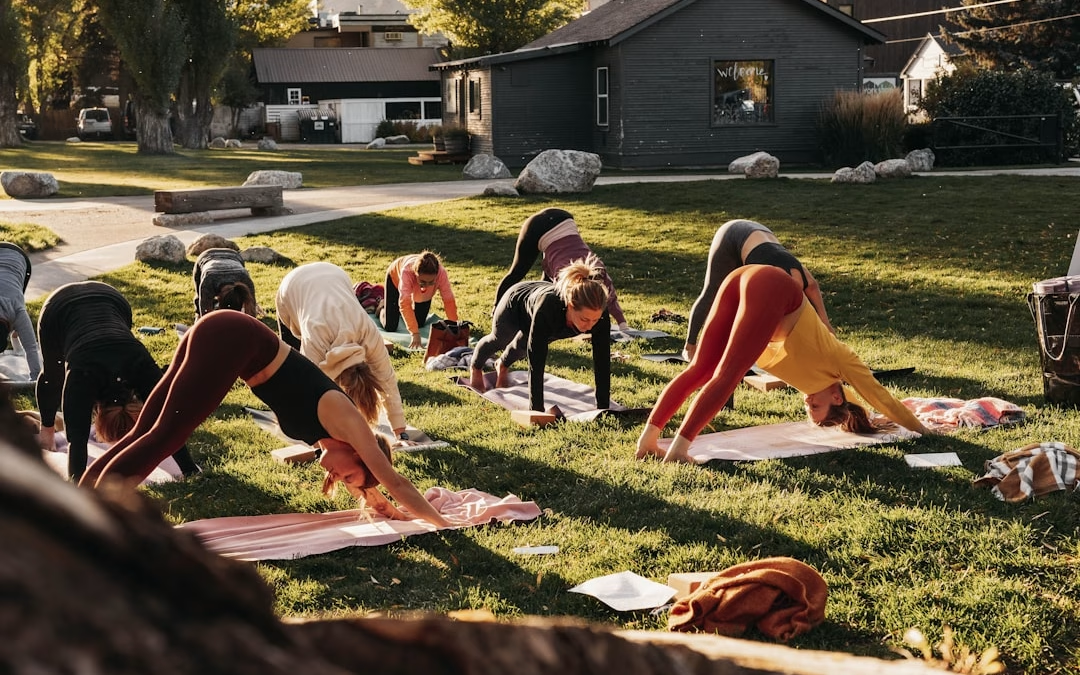
- Movement: Think yoga, Pilates, guided hikes, or even more vigorous exercise sessions. The focus is on gentle movement that revitalizes without exhaustion.
- Mindfulness & Stress Reduction: Meditation, breathwork, journaling, and workshops on managing stress are common. The aim is to quiet the mental chatter and reconnect with yourself.
- Education: Many retreats offer talks or sessions on various health topics, from sleep hygiene to understanding gut health. It’s about empowering yourself with knowledge.
- Therapeutic Treatments: Depending on the retreat’s specialization, you might find massage therapy, acupuncture, hydrotherapy, or other healing modalities.
If you’re considering a health retreat near you, you might find it beneficial to explore ways to enhance your well-being at home as well. A related article titled “Cultivate an Urban Homestead: Practical Ideas to Try” offers insightful tips on creating a nourishing environment that promotes health and wellness. You can read more about it here: Cultivate an Urban Homestead. This resource can complement your retreat experience by helping you integrate healthy practices into your daily life.
Pinpointing Your Retreat Goals
This is where we get practical. “Looking for a retreat” is a good start, but “I need to de-stress and learn better sleep habits” is much more useful. Be honest with yourself about what brought you to this point and what you hope to leave with.
Self-Reflection Questions to Ask Yourself
- What specific health challenge am I trying to address? Is it burnout, digestive issues, weight management, or just general fatigue?
- What kind of environment am I looking for? Do I want to be surrounded by nature, in a serene and quiet setting, or somewhere with a bit more of a social vibe?
- What level of intensity am I comfortable with? Am I ready for a rigorous detox and fitness program, or do I need something more gentle and restorative?
- What kind of activities am I drawn to? Yoga and meditation? Hiking and outdoor exploration? Creative workshops?
- What’s my budget? Retreats can range significantly in price, so this is a crucial factor.
- How long do I want to go for? A weekend getaway is very different from a week-long immersion.
Common Retreat Focus Areas
- Detox & Cleanse: These retreats focus on eliminating toxins from the body, often through specific diets, juices, and cleansing protocols.
- Stress & Burnout Recovery: Designed to help you unwind, manage stress, and rebuild your resilience. Expect lots of mindfulness, relaxation techniques, and gentle activities.
- Weight Management: These programs combine nutrition, exercise, and lifestyle coaching to help you achieve sustainable weight loss.
- Yoga & Mindfulness Immersion: For those looking to deepen their practice or explore meditation in a dedicated setting.
- Digital Detox: A chance to unplug from technology and reconnect with yourself and your surroundings.
- Holistic Wellness: A broader approach that integrates various aspects of health, often with a focus on mind-body connection.
Where to Begin Your Search: Online Resources
The internet is your best friend when it comes to finding a retreat. There are dedicated platforms and general search engines that can help you narrow down your options.
Dedicated Retreat Directories
Several websites are specifically designed to list and review health and wellness retreats. These are often the most efficient starting point because they categorize retreats by type, location, and focus.
- Spabreaks.com: While known for spa breaks, they also list wellness retreats with extensive filtering options.
- Healingholidays.com: Focuses on transformative wellness journeys, often with a luxury slant.
- BookRetreats.com: A massive directory with an incredible range of retreats for yoga, meditation, and general wellness. You can filter by destination, price, and activity.
- RetreatGuru.com: Similar to BookRetreats, offering a wide selection of retreats globally.
General Search Engines & Social Media
Don’t underestimate the power of Google! Use specific keywords based on your goals.
- Google Search Tips:
- “Wellness retreat [your state/region]”
- “Stress relief retreat near me”
- “Digital detox vacation [nearby state]”
- “Yoga and meditation retreat [popular nearby location]”
- Social Media: Instagram and Pinterest can be fantastic for visual inspiration. Search hashtags like #healthretreat, #wellnessretreat, #detoxretreat, and similar terms. You’ll often find beautiful imagery and direct links to retreat centers.
Evaluating Potential Retreat Centers
Once you have a shortlist, it’s time to dig a little deeper. Don’t just book the first pretty picture you see. Look for substance and a good fit for your needs.
What to Look for in a Retreat’s Website and Information
- Detailed Program Descriptions: Do they clearly outline the daily schedule, the types of workshops, and the focus of the program? Vague descriptions are a red flag.
- Staff Qualifications: Who are the facilitators, healers, and instructors? Do they have relevant experience and certifications? This is particularly important for therapeutic aspects.
- Accommodation & Amenities: What are the living quarters like? Are they comfortable and conducive to rest? What other facilities are available (e.g., pool, sauna, quiet spaces)?
- Food Philosophy: Does their approach to nutrition align with your preferences and dietary needs? Look for sample menus if possible.
- Testimonials & Reviews: What are past guests saying? Look for consistent feedback on the effectiveness of the program, the quality of the staff, and the overall experience. Be wary of retreats with only glowing, generic reviews.
- Location & Environment: Does the setting appeal to you? Is it accessible and safe? Consider the climate and the natural surroundings.
Crucial Questions to Ask Directly
Don’t hesitate to contact the retreat center with questions. This also gives you a feel for their customer service and how responsive they are.
- What is the typical participant profile? (e.g., age range, common reasons for attending)
- What is the average group size? This can significantly impact the personal attention you receive.
- What is included in the price? (e.g., all meals, activities, workshops, spa treatments, airport transfers)
- What is your cancellation policy?
- What should I pack?
- Are there any pre-retreat preparations recommended? (e.g., dietary changes)
- How do you handle specific dietary restrictions or medical conditions? (Be very thorough here if you have any)
If you’re considering a health retreat near you, exploring the benefits of self-sufficiency can enhance your overall wellness experience. A related article that delves into essential tips for independent living can provide valuable insights as you embark on this journey. You can read more about it in this informative piece on self-sufficiency, which may inspire you to incorporate sustainable practices into your lifestyle while enjoying the rejuvenating atmosphere of a health retreat.
Finding Retreats Tailored to Specific Needs
Sometimes, a general wellness retreat isn’t quite enough. You might be looking for something more specialized, whether it’s for a particular health issue or a specific type of practice.
Retreats for Mental Well-being & Stress
If your primary goal is to tackle stress, anxiety, or burnout, look for retreats that explicitly state this as their focus. They’ll likely offer a strong emphasis on:
- Mindfulness and Meditation: Daily guided sessions, silent retreats, or workshops on mindfulness techniques.
- Yoga and Gentle Movement: Restorative yoga, Yin yoga, or gentle Hatha classes designed to calm the nervous system.
- Nature Immersion: Activities like forest bathing, nature walks, and time spent outdoors to promote relaxation.
- Therapeutic Workshops: Sessions on emotional resilience, stress management strategies, or coping mechanisms.
- Digital Detox: Many stress-focused retreats also encourage or mandate a period of being offline.
Retreats for Detoxification and Gut Health
These retreats are for those looking to cleanse their bodies and improve their digestive health. Expect:
- Specialized Diets: Often juice-based, raw food, or elimination diets designed to give the digestive system a rest and remove potential irritants.
- Nutritional Coaching: Guidance on healthy eating habits and understanding your gut microbiome.
- Detoxification Protocols: This might include herbal remedies, colonic hydrotherapy (be sure you’re comfortable with this), saunas, and lymphatic drainage.
- Gut Health Workshops: Education on probiotics, prebiotics, and factors influencing gut health.
- Light Exercise: Gentle movement to support detoxification, such as walking or yoga.
Retreats Focused on Physical Fitness and Vitality
If you’re looking to boost your energy and get back into a consistent fitness routine without the pressure of a regimented gym, these are your go-to.
- Variety of Fitness Classes: Offering diverse options like hiking, strength training, cycling, swimming, or functional fitness.
- Nutrient-Dense Meals: Focused on providing sustained energy and supporting muscle recovery.
- Outdoor Activities: Emphasis on exploring the natural surroundings through active pursuits.
- Workshops on Healthy Lifestyles: Covering topics like sleep, hydration, and balanced exercise routines.
- Potential for Sport-Specific Training: Some retreats might cater to specific sports or athletic goals.
Retreats for Spiritual Growth and Self-Discovery
These retreats are about looking inward, connecting with your spiritual side, and gaining deeper self-understanding.
- Meditation and Contemplation: Extended periods of silent meditation or guided contemplative practices.
- Spiritual Teachings: Sessions led by spiritual guides or teachers offering wisdom and perspective.
- Journaling and Reflection: Dedicated time and prompts for introspection.
- Ceremonies and Rituals: Depending on the retreat’s tradition, there might be specific ceremonies for healing or connection.
- Connection with Nature: Often set in peaceful, natural environments to facilitate a sense of peace and connection.
Making the Final Decision and Preparing for Your Trip
You’ve done the research, asked the questions, and hopefully, you’ve found a retreat that feels right. Now it’s about making the commitment and getting ready to make the most of it.
Booking and Pre-Arrival
- Confirm Everything: Double-check dates, inclusions, and any specific requests you’ve made.
- Review the Packing List: Pay close attention to what they recommend – it’s usually well-thought-out. Comfortable clothing, layers, swimwear, toiletries, and anything specific for activities are typical.
- Inform Them of Any Concerns: If you have any last-minute health questions or dietary needs, let them know well in advance.
- Prepare Mentally: Start to shift your mindset. Think about what you want to let go of and what you hope to embrace. Briefly disconnecting from excessive social media a few days before can be helpful.
Making the Most of Your Retreat Experience
- Be Present: This is your time to disconnect from your usual routines and fully engage in what’s offered.
- Participate Actively: Don’t hold back. Try the new foods, join the workshops, and engage in the activities.
- Listen to Your Body: While it’s good to push yourself a little, don’t ignore signs of exhaustion or discomfort.
- Journal Your Thoughts: You’ll likely have many insights. Writing them down will help you process and remember them.
- Connect with Others (if you wish): Retreats can be great opportunities to meet like-minded people, but it’s also perfectly okay to keep to yourself if that’s what you need.
- Ask Questions: If something isn’t clear or you’re curious about a specific aspect, ask the facilitators.
Bringing the Benefits Home After Your Retreat
The retreat isn’t over when you leave the property. The real work starts with integrating what you’ve learned and experienced into your everyday life.
Maintaining Momentum Post-Retreat
- Immediate Integration: Try to maintain some of the healthy habits you’ve adopted right away, even if it’s just small steps.
- Create a “Retreat at Home” Plan: What are 1-3 key things you learned that you can implement consistently? This could be a daily meditation practice, a few specific meals, or taking short breaks during the workday.
- Healthy Meal Planning: Continue with the principles of nutrition you learned. Cook at home more often, focus on whole foods, and experiment with new recipes.
- Mindfulness Practices: Keep up with meditation, deep breathing, or journaling. Even 5-10 minutes a day can make a big difference.
- Movement Routine: Find a sustainable way to incorporate physical activity into your week that you actually enjoy.
- Seek Support: If the retreat offered any follow-up support (like access to online resources or a community forum), take advantage of it. Consider connecting with a local therapist or coach if you’re dealing with significant stress or emotional challenges.
- Schedule “Mini-Retreats”: Even if you can’t go away for a week, schedule regular “retreat-like” days at home or local day trips to recharge.
Finding the right health retreat is an investment in yourself. It’s about stepping away from the daily grind to consciously focus on your well-being. By clearly defining your goals, doing thorough research, and preparing yourself both mentally and practically, you can find an experience that genuinely rejuvenates you and provides lasting benefits.
