
So, you’re wondering how to actually get tangible benefits from focusing on health and wellness? It’s a fair question. We hear a lot about it, but what does it really mean for your day-to-day life? Ultimately, unlocking the benefits of health and wellness isn’t about achieving some perfect, unattainable ideal. It’s about making consistent, manageable choices that lead to feeling better, having more energy, and being more resilient, both physically and mentally. Think of it as an ongoing investment in yourself that pays dividends in every aspect of your life.
When most people think of health and wellness, they first picture the physical stuff. And for good reason – a healthy body is the bedrock for everything else. It’s not about turning into a marathon runner overnight, but about understanding what your body needs to function at its best.
Nourishing Your Body: Food as Fuel, Not Just Flavor
This is a big one, and often where people get tripped up. The idea isn’t to follow a restrictive diet, but to understand how different foods impact how you feel.
The Power of Whole Foods
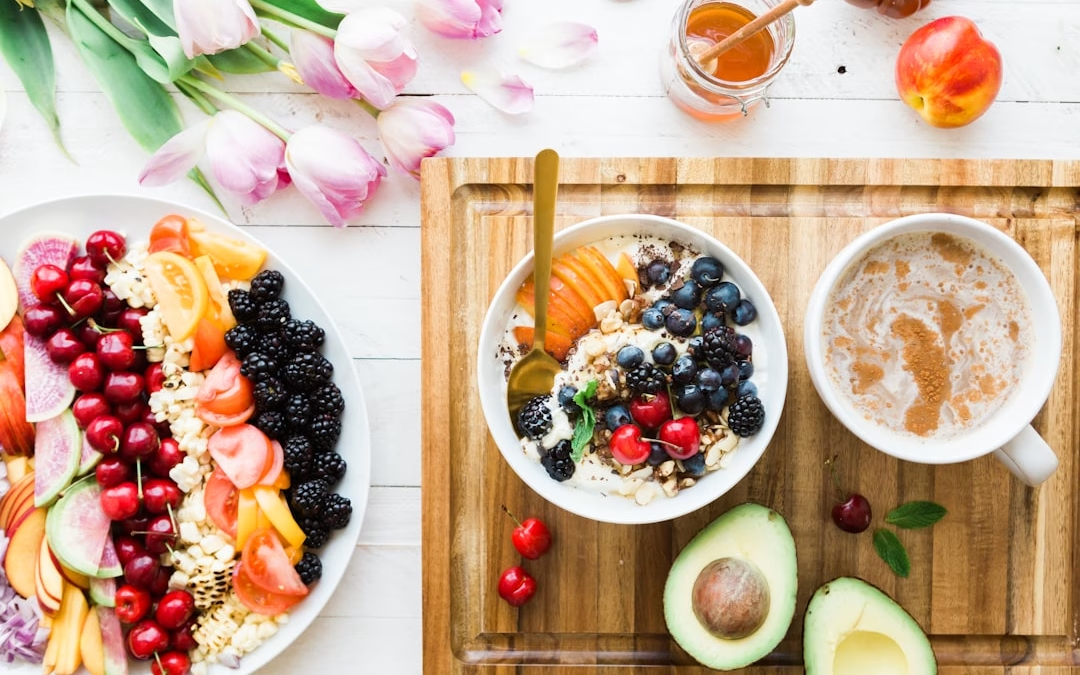
Focusing on foods that haven’t been overly processed is a game-changer. Think fruits, vegetables, lean proteins, whole grains, and healthy fats. These provide your body with the vitamins, minerals, and fiber it needs to run efficiently. They also tend to be more satisfying, helping you avoid that dreaded energy crash.
Hydration: The Overlooked Essential
Water is so basic, we often forget its importance. Staying adequately hydrated affects everything from your energy levels and cognitive function to your skin and digestion. Carrying a water bottle and sipping throughout the day is a simple habit with significant rewards.
Mindful Eating: More Than Just What You Eat
It’s also about how you eat. Paying attention to your hunger and fullness cues, savoring your food, and eating without distractions can improve digestion and your relationship with food. This reduces the likelihood of overeating and helps you appreciate the nourishment you’re receiving.
Moving Your Body: Consistency Over Intensity
The “exercise” word can be intimidating. But at its core, it’s about simply moving your body in ways that are enjoyable and sustainable for you.
Finding Your Fit: What Works for You
Forget thinking you have to go to the gym for an hour. A brisk walk around the block, dancing in your living room, gardening, or playing with your kids all count as movement. The key is finding activities you genuinely like, so it doesn’t feel like a chore.
The Benefits of Regular Activity
Beyond weight management, regular physical activity improves cardiovascular health, strengthens muscles and bones, boosts your mood, and can even improve your sleep. It’s a powerful stress reliever and a great way to increase your overall energy levels.
Integrating Movement into Daily Life
Look for small opportunities. Take the stairs, walk or cycle for short errands, stand up and stretch every hour. These micro-movements add up and can make a big difference over time.
Rest and Recovery: The Unsung Heroes
We often push ourselves to our limits, forgetting that our bodies need downtime to repair and recharge. Adequate sleep and periods of rest are crucial for overall well-being.
The Importance of Quality Sleep
Aiming for 7-9 hours of quality sleep per night is non-negotiable. Good sleep helps with memory, concentration, immune function, and mood regulation. Establishing a consistent sleep schedule and creating a relaxing bedtime routine can significantly improve sleep quality.
Active Recovery and Downtime
Even on rest days, gentle movement like stretching or light walking can aid muscle recovery. Beyond that, simply allowing yourself to relax, disconnect from screens, and engage in quiet activities is a vital part of wellness.
Exploring the benefits of health and wellness is essential for enhancing our overall quality of life. A related article that delves into this topic is titled “Top Rural Living Essentials for a Comfortable Country Life,” which highlights how a connection to nature and a balanced lifestyle can significantly improve physical and mental well-being. You can read more about these essential elements by visiting the article here: Top Rural Living Essentials for a Comfortable Country Life.
Cultivating a Resilient Mind: Mental and Emotional Well-being
Your mental and emotional state is just as important as your physical health, if not more so. These aspects are deeply interconnected, and nurturing them can dramatically improve your quality of life.
Managing Stress: Navigating Life’s Demands
Stress is an unavoidable part of life, but how you manage it makes all the difference. Learning to cope effectively can prevent burnout and improve your overall resilience.
Identifying Your Stressors
Understanding what triggers your stress is the first step. Is it work deadlines, relationship issues, financial worries, or something else? Once identified, you can begin to develop strategies to address those specific triggers or manage your reaction to them.
Practical Stress-Relief Techniques
Deep breathing exercises, meditation, progressive muscle relaxation, and engaging in hobbies can all be effective ways to calm your nervous system. Even short, intentional moments of relaxation throughout the day can have a cumulative positive effect.
Setting Boundaries: Protecting Your Peace
Learning to say “no” and setting clear boundaries in your personal and professional life is a powerful stress management tool. It’s not about being selfish; it’s about protecting your energy and prioritizing your well-being so you can be more present and effective in other areas.
Cultivating a Positive Mindset: Shifting Your Perspective
Your mindset, the way you think about yourself and the world around you, has a profound impact on your experiences. While it’s not about forced positivity, it is about developing a more constructive and resilient outlook.
The Power of Gratitude
Regularly acknowledging the things you’re thankful for, big or small, can shift your focus from what’s lacking to what’s abundant. Keeping a gratitude journal or simply taking a moment each day to reflect on things you appreciate can foster positive emotions.
Challenging Negative Thoughts
We all have negative thought patterns, but learned strategies can help. Cognitive behavioral techniques, like identifying and challenging irrational thoughts, can help you reframe situations and reduce the power of self-defeating mental loops.
Practicing Self-Compassion
Treating yourself with the same kindness and understanding you would offer a friend is vital. Everyone makes mistakes and faces challenges. Self-compassion involves acknowledging these difficulties without harsh self-judgment, fostering a more supportive internal dialogue.
Emotional Intelligence: Understanding and Expressing Yourself
Being aware of your own emotions and those of others, and being able to respond appropriately, is a cornerstone of healthy relationships and personal well-being.
Recognizing and Labeling Emotions
Developing the ability to identify what you’re feeling and give it a name is crucial. Instead of vague “bad feelings,” trying to pinpoint if you’re feeling frustrated, anxious, disappointed, or sad allows for more targeted coping.
Healthy Emotional Expression
Finding healthy outlets for your emotions is important. This could involve talking to a trusted friend or therapist, journaling, engaging in creative activities, or physical exercise. Suppressing emotions can lead to them manifesting in unhealthy ways.
Empathy: Connecting with Others
Understanding and sharing the feelings of others not only strengthens relationships but also broadens your own perspective. Practicing empathy can lead to more meaningful connections and a greater sense of belonging.
The Ripple Effect: Social Connections and Belonging
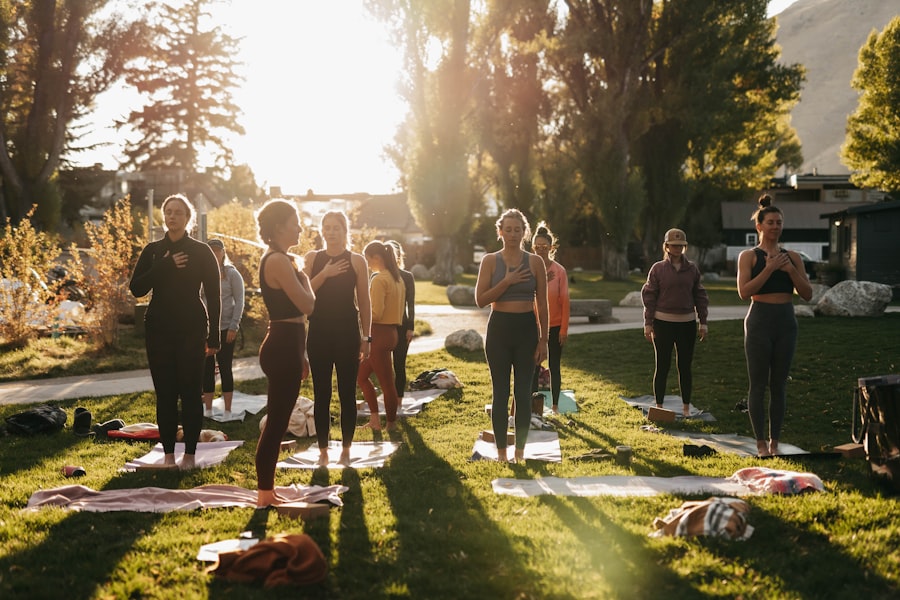
Humans are inherently social creatures. Our connections with others and a sense of belonging are fundamental to our well-being, impacting everything from our happiness to our physical health.
Nurturing Meaningful Relationships
It’s not about having a vast network of acquaintances, but about cultivating a few deep, supportive relationships. These connections provide emotional support, reduce feelings of isolation, and contribute to a sense of purpose.
Quality Over Quantity
Focus your energy on investing in the relationships that are genuinely supportive and enriching. This means being present, actively listening, and offering support when needed.
Building Trust and Vulnerability
Healthy relationships are built on trust and a willingness to be vulnerable. Sharing your thoughts and feelings, even when it feels daunting, can deepen connections and foster a sense of intimacy.
Resolving Conflict Constructively
Disagreements are inevitable in any relationship. Learning to navigate conflict with respect and a focus on finding solutions, rather than placing blame, can strengthen bonds over time.
The Importance of Community and Belonging
Feeling a part of something larger than yourself, whether it’s a local community group, a hobby club, or even an online community, provides a sense of connection and validation.
Finding Your Tribe
Seek out groups or activities that align with your interests and values. This could be a book club, a sports team, a volunteer organization, or even attending local events.
Contributing and Receiving Support
Being an active participant in a community often involves both contributing to the group and receiving support from its members. This reciprocal exchange fosters a sense of value and belonging.
The Impact of Loneliness
Chronic loneliness has been linked to a host of negative health outcomes, including increased risk of depression, anxiety, and even cardiovascular disease. Actively seeking out connection can be a powerful preventative measure.
Enhancing Cognitive Function: A Sharp Mind for a Fuller Life

Your brain is your command center. Keeping it healthy and sharp impacts your ability to learn, solve problems, remember, and navigate the complexities of life.
Continuous Learning and Mental Stimulation
Just like your muscles, your brain benefits from regular workouts. Engaging in activities that challenge your cognitive abilities can help maintain and improve brain health throughout your life.
Embracing New Skills and Knowledge
Learning a new language, playing a musical instrument, picking up a new craft, or taking a class can create new neural pathways and boost cognitive flexibility.
Engaging in Problem-Solving Activities
Puzzles, strategy games, reading complex material, and engaging in thoughtful discussions all stimulate problem-solving skills and critical thinking.
The Benefits of Reading and Lifelong Learning
Reading exposes you to new ideas, expands your vocabulary, and improves your comprehension. Approaching life with a curious and lifelong learning mindset keeps your mind agile.
Mindfulness and Focus: Training Your Attention
In a world of constant distractions, the ability to focus and be present is a valuable skill. Mindfulness practices can significantly improve your cognitive control.
Practicing Present Moment Awareness
Mindfulness involves paying attention to the present moment without judgment. This can be cultivated through formal meditation practice or by simply bringing more awareness to everyday activities.
Improving Concentration and Reducing Distractibility
Regular mindfulness practice has been shown to improve attention span, reduce mind-wandering, and enhance your ability to focus on tasks.
The Benefits of Focused Work
Being able to concentrate on one task at a time allows for more efficient and higher-quality work. This also reduces the mental fatigue associated with constant task-switching.
Exploring the benefits of health and wellness can significantly enhance your overall quality of life. A related article discusses how adopting an off-grid lifestyle can contribute to improved physical and mental well-being. By embracing nature and reducing reliance on modern conveniences, individuals often find greater peace and fulfillment. To learn more about this transformative approach, you can read the article on unlocking the secrets of an off-grid lifestyle.
Longevity and Disease Prevention: Living Well for Longer
| Category | Benefits |
|---|---|
| Physical Health | Improved cardiovascular health, stronger immune system, better sleep, and increased energy levels. |
| Mental Health | Reduced stress, improved mood, enhanced cognitive function, and decreased risk of depression and anxiety. |
| Social Well-being | Increased sense of community, improved relationships, and greater overall happiness. |
| Productivity | Higher work performance, better time management, and increased creativity. |
| Financial | Reduced healthcare costs, lower risk of chronic diseases, and decreased absenteeism. |
Ultimately, many of the benefits of health and wellness practices contribute to a longer, healthier, and more fulfilling life, with a reduced risk of chronic diseases.
Proactive Health Measures
This isn’t about dwelling on illness, but about taking proactive steps to reduce your risk of developing health problems in the first place.
Regular Health Screenings
Don’t skip your doctor’s appointments and recommended screenings. Early detection of potential issues can be crucial for effective treatment and better outcomes.
Understanding Your Genetic Predispositions
While you can’t change your genes, understanding your family history and any potential genetic predispositions can inform your lifestyle choices and preventative strategies.
Building a Strong Immune System
A balanced diet, adequate sleep, regular exercise, and stress management all contribute to a robust immune system capable of fending off infections.
Reducing the Risk of Chronic Diseases
Many chronic diseases, such as heart disease, type 2 diabetes, and certain types of cancer, are significantly influenced by lifestyle factors.
The Link Between Lifestyle and Chronic Disease
Making healthier choices in diet, exercise, sleep, and stress management can dramatically lower your risk of developing these serious conditions. It’s about empowering yourself to take control of your health trajectory.
The Long-Term Payoff
The effort you put into health and wellness today has a compounding effect. The small, consistent habits can lead to significant improvements in your health and well-being over the long term, allowing you to enjoy life more fully for years to come.
Unlocking the benefits of health and wellness is a journey, not a destination. It’s about making informed choices, listening to your body, and finding what works best for you. The rewards – more energy, less stress, clearer thinking, and a greater sense of vitality – are well worth the effort of understanding and implementing these principles into your life.
